
health
Unmasking Incestflox: A Deep Dive into the Internet’s Most Controversial Taboo Phenomenon


Introduction
The internet has an unparalleled ability to generate, amplify, and mystify concepts at a speed that often outpaces our collective understanding. In the vast digital ecosystem, certain terms emerge seemingly from nowhere, sparking intense curiosity, heated debate, and widespread confusion. One such term that has recently captured the attention of online communities is “Incestflox.” This provocative keyword, which appears to blend the deeply taboo subject of incest with a modern-sounding suffix, has become a focal point for discussions about digital ethics, content moderation, and the boundaries of free expression in online spaces.
As users across various platforms search for answers, the lack of clear, authoritative information has led to the proliferation of myths, misinformation, and speculation. The term’s ambiguous nature—oscillating between being a label for controversial media narratives, a rumored online platform, and a subject of academic-like discourse—makes it a perfect case study for how digital culture manufactures meaning. This article aims to dissect the phenomenon of Incestflox comprehensively, separating fact from fiction by analyzing its origins, the security risks associated with related websites, the ethical debates it provokes, and the broader societal implications of such controversial digital content. By understanding what Incestflox represents—and what it does not—readers can navigate the digital landscape with greater awareness and responsibility.
What is Incestflox? Exploring the Origins and Meaning
Understanding Incestflox begins with acknowledging a fundamental truth: it has no established, universally accepted definition. The term is primarily a product of online speculation, existing in the murky waters of internet forums, social media debates, and niche subcultures rather than in any formal academic or legal context. This lack of a concrete definition is perhaps its most defining characteristic, fueling the very curiosity that keeps it circulating .
The Linguistic and Cultural Roots
The term appears to be a portmanteau, cleverly combining the word “incest” with a suffix like “flox,” which some speculate could relate to “flux” or “influx,” implying a flow or increase . Another interpretation suggests a combination with “flock,” signifying a gathering of attention towards incestuous themes in media . This linguistic construction is effective precisely because it feels structured and intentional, even though its origin is undocumented. This pattern is common in digital naming trends, where new, provocative terms are coined to sound technical, cultural, or conceptual without a formal definition .
While some sources suggest the term may have originated in late 1990s internet message boards, such as an IRC (Internet Relay Chat) log from December 1998, there is no verified archival evidence to support this . It is equally plausible that the term emerged more recently as a satirical reference, a deliberate shock-value creation, or even a typographical error that gained traction. Its meaning varies depending on the context, with some using it as a placeholder for taboo topics and others treating it as an inside joke within specific digital communities . This fluidity highlights a key feature of internet culture: the ability to create and disseminate content that challenges, or completely bypasses, conventional social norms and boundaries.
Incestflox vs. Incestflix: The Critical Distinction
A significant source of confusion in online discussions is the overlap between the terms “Incestflox” and “Incestflix.” While they may appear similar and are often conflated, they represent different phenomena, and understanding the distinction is crucial for assessing the associated risks.
The term “Incestflix” is more clearly linked to a specific entity: a controversial and highly suspicious website. Cybersecurity experts and tools like Malwarebytes and Norton have flagged this site for what is known as “riskware” . Unlike “Incestflox,” which is an ambiguous concept, “Incestflix” is associated with tangible threats to user security.
The Dangers of the Incestflix Website
Visiting or interacting with the Incestflix site is not merely an ethical concern; it is a significant security risk. The site serves as a potential digital trap designed to exploit user curiosity . The dangers associated with the platform are multifaceted and severe:
Malware and Device Infection: Users are at high risk of inadvertently downloading malware onto their devices. This can include keyloggers, which record everything typed to steal passwords and personal information; ransomware, which locks files and demands payment for their release; or spyware, which covertly monitors online activities . The infection can occur simply through background scripts running on the site, without the user ever clicking a download button.
Phishing and Financial Scams: The site often employs deceptive pop-ups that mimic legitimate prompts, such as asking for age verification or software installation to view premium content. These are phishing tactics designed to harvest personal and financial details. Users may also be tricked into hidden subscriptions or unauthorized billing, with charges appearing on their credit cards later .
Sextortion Scams: A particularly insidious threat is the use of sextortion tactics. A message may appear claiming the user was recorded while viewing explicit material and threatening to share the footage unless a payment is made. Even though no such footage usually exists, the fear and shame involved make this scam alarmingly effective .
Data Collection and Exploitation: Even without direct interaction, the website can collect a wealth of information, including IP addresses, device and browser information, and browsing behavior. This data is then sold to third parties or exposed in security breaches, posing a severe privacy risk .
By blending the terms, malicious actors can leverage the nebulous nature of “Incestflox” to direct unsuspecting users to the highly dangerous “Incestflix” site. Therefore, a key part of understanding “Incestflox” is recognizing it as a potential entry point to a cybersecurity hazard. The real danger is not just the controversial content but the malware, scams, and stolen data that are likely to accompany it .
The Online Discourse: Ethics, Legalities, and Social Impact
Beyond the security risks of related websites, the broader concept of Incestflox has become a lightning rod for intense debate within online communities. This discourse illuminates a deeper societal struggle over the boundaries of free expression, content moderation, and the role of digital platforms in managing controversial material.
The Provocative Nature and Ethical Concerns
At its core, the term “Incestflox” touches upon one of humanity’s most deeply ingrained taboos: incest. The mere suggestion of such themes in media or online narratives challenges societal norms and provokes strong reactions. Some argue that exploring such taboo subjects in fiction or creative works can serve as a form of social commentary, artistic exploration, or a way to challenge conventional morality and provoke thought . Others, however, contend that normalizing or desensitizing audiences to such narratives can have serious consequences, potentially validating destructive behaviors and impacting vulnerable individuals . This ethical tension is a central feature of the discourse, with no easy resolution in sight.
The Battle for Content Moderation
The existence of concepts like Incestflox and platforms like Incestflix brings the complex issue of content moderation to the forefront. Major platforms face the challenge of balancing the protection of free speech against the need to prevent the spread of harmful or illegal material. The discussion around Incestflox often becomes a proxy for this larger debate, with advocates of open access arguing against censorship and critics calling for stronger regulation to protect audiences from unethical content . The lack of transparency and the struggle to define clear rules around such sensitive material highlight the fundamental difficulties of governing the modern internet .
Legal Ambiguity and Jurisdictional Challenges
The legal status of content related to Incestflox is just as ambiguous as the term itself. Laws regarding media content, especially concerning taboo subjects like incest, vary significantly across different countries. A website or narrative that may be legal in one jurisdiction could violate the laws of another, making it difficult to establish a global standard. This legal patchwork creates a challenging environment for enforcement. Content that touches on minors or close familial relationships often crosses legal and ethical boundaries in most places, but the fictional or artistic context in which such themes are presented can complicate legal judgments. The question of whether platforms are legally liable for the content they host remains an ongoing and contentious issue .
The Spread of Misinformation and Digital Rumors
The “Incestflox” phenomenon is also a prime example of how misinformation and rumors propagate online. The term’s lack of a clear definition creates a vacuum that is quickly filled by speculation, unverified claims, and sensationalist narratives. This cycle of curiosity, fueled by shock value, often generates more traffic and engagement than factual information. Users react to headlines, usernames, and trends without verifying facts, demonstrating a broader trend of emotion-driven engagement over informed consumption. This highlights the critical importance of digital literacy and a cautious approach to online information .
Practical Advice for Navigating and Protecting Yourself
Given the risks associated with the “Incestflix” website and the broader confusion surrounding the term “Incestflox,” it is essential to adopt a defensive and responsible approach to online browsing.
Verify Information and Sources: Always seek information from reputable and authoritative sources, especially when dealing with controversial or unclear terms. Avoid relying on unverified, anonymous, or clearly biased sources. Understand that many online claims are speculative and not grounded in fact .
Question Sensational Claims: If you encounter exaggerated, sensationalized, or clickbait-style claims about “Incestflox,” treat them with deep skepticism. The attention economy rewards shock value over truth. If a site or a story seems unbelievable or designed to provoke a strong emotional reaction, it often is designed to manipulate .
Exercise Caution with Unknown Domains: Be extremely wary of clicking on links from unknown or untrusted sources. Websites with unfamiliar, suspicious domain extensions (like .win, .xyz, or .ru) or those mimicking known brands should be avoided. These are often signs of unregulated, potentially dangerous activity .
Use Robust Security Software: Install and maintain reliable antivirus and anti-malware software on all devices. Keep it updated to protect against the latest threats. Consider using ad-blockers and pop-up blockers, as these can prevent malicious scripts from running .
Be Skeptical of Prompts and Downloads: Never click on pop-ups, download files, or install software from a site you do not fully trust. Be particularly suspicious of prompts asking you to “verify your age,” “install a video player,” or “unlock premium features” on unfamiliar websites. These are common phishing and malware delivery tactics .
Protect Personal Information: Never share personal data, financial details, or passwords on unfamiliar websites. If a site asks for sensitive information, it is almost certainly a trap. Be cautious about the data you share online and enable two-factor authentication for your accounts wherever possible .
Practice Ethical Browsing: Recognize that visiting or supporting controversial sites can indirectly encourage the spread of unsafe or misleading content. Responsible internet use means respecting community guidelines and laws, avoiding suspicious content, and promoting a healthier digital environment. Choose legitimate, verified platforms for your media consumption .
Conclusion
The journey to understand “Incestflox” reveals far more about the nature of the internet and digital culture than it does about the term itself. It stands as a powerful case study of how online spaces can generate and sustain a phenomenon through a potent mix of linguistic construction, social taboo, and unverified speculation. The core lesson is that “Incestflox” is not a defined concept, an organization, or a movement, but rather a nebulous, often misleading term used in informal online spaces.
Crucially, the discussion around it is a warning. The ambiguity surrounding “Incestflox” has been exploited to lure users to the “Incestflix” website, which poses a genuine and substantial threat to personal security and privacy through malware, phishing, and other scams. The true danger of this phenomenon lies not in the content it may imply, but in the real-world cybersecurity risks that it can lead to. As such, approaching such terms with a healthy dose of skepticism, verifying information from reliable sources, and practicing safe browsing habits are not just recommendations but essential skills for navigating the modern digital world. The internet’s power is immense, but it demands responsibility, and in the case of “Incestflox,” the only reasonable action is to proceed with caution and leave the mystery unsolved.
Frequently Asked Questions (FAQs)
1. What is the official meaning of “Incestflox”?
There is no official, academic, or legally recognized definition of the term “Incestflox.” It appears to be an informal term used in online discussions, often speculatively, to refer to controversial or taboo narratives, but it has no concrete or verified meaning .
2. Is “Incestflox” a legitimate organization or movement?
No. Despite some online claims, there is no credible evidence linking “Incestflox” to any real-world organization, legal entity, or social movement. It is primarily discussed in niche internet communities and is not recognized in mainstream media or academic circles .
3. Is “Incestflox” dangerous to search for?
Searching for the term “Incestflox” itself is not inherently dangerous, but it can lead to the discovery of sites like “Incestflix,” which are extremely risky. These sites are known for malware, phishing, and scams. It is crucial to avoid clicking on any links associated with these terms .
4. What is the difference between “Incestflox” and “Incestflix”?
“Incestflox” is an ambiguous concept or a buzzword. “Incestflix,” on the other hand, is the name of an unverified and dangerous adult website that has been flagged by cybersecurity experts for its high risk of malware, data theft, and scams .
5. Why is “Incestflox” considered controversial?
The controversy arises from the word’s combination with “incest,” which is a deeply taboo subject with severe ethical and legal implications in the real world. The speculation that such themes are being “normalized” or gaining traction online causes concern among critics and fuels debates about content moderation and freedom of expression .



Introduction
Discovering that your foot or toes have turned a troubling shade of purple can be a profoundly alarming experience. This visible change is more than a simple cosmetic concern; it is a signal from your body that the normal flow of blood to your extremities has been disrupted. The skin’s color is a direct reflection of the oxygen-rich blood circulating beneath it, and when that blood is depleted of oxygen, it can take on a bluish or purplish hue—a condition medically known as cyanosis . However, the reasons behind this discoloration are remarkably diverse, ranging from a benign, temporary response to cold, to a serious underlying vascular condition that demands immediate attention.
Understanding the potential causes of a purple foot is the first and most critical step in determining the appropriate course of action. This phenomenon can be rooted in poor circulation from conditions like peripheral artery disease (PAD), sudden blockages from emboli causing blue toe syndrome, exaggerated blood vessel spasms from Raynaud’s phenomenon, or even be a curious side effect of viral infections like COVID-19. Each cause presents with its own set of symptoms and carries its own level of urgency. This comprehensive article serves as a guide to help you navigate the complex landscape of purple foot causes, empowering you to recognize warning signs and understand when a seemingly minor issue requires the expertise of a healthcare professional .
Understanding the Primary Causes of a Purple Foot
When blood flow is compromised, the cells in the skin and tissues are deprived of the oxygen they need to function, leading to a range of symptoms, with discoloration being one of the most obvious. To identify the root cause, medical professionals often differentiate between conditions that involve narrowed or blocked arteries (the vessels carrying oxygenated blood away from the heart), problems with the veins (which return blood to the heart), and issues related to the blood itself or the nervous system’s control over blood vessels. This approach helps to narrow down the vast differential diagnosis and guide the most effective treatment plan .
The Vessel and Blood Connection: When Blood Flow is Disrupted
Peripheral Artery Disease (PAD): The Chronic Flow Problem
Perhaps the most common vascular cause of purple feet is Peripheral Artery Disease. PAD is a chronic condition characterized by the narrowing of arteries due to a buildup of fatty deposits, a process known as atherosclerosis . As the arteries narrow, they are unable to deliver sufficient oxygen-rich blood to the legs and feet, particularly during physical activity or at rest in more advanced stages. According to the National Healthcare Group, symptoms of PAD can include pain or cramping in the legs that begins with walking and improves with rest, and importantly for our discussion, discoloration of the toes or foot that can range from purplish to black .
Healthline explains that these skin changes occur because the skin doesn’t receive enough oxygen, leading it to appear blue or purple . The skin may also feel cool to the touch, look shiny or smooth, and hair growth on the leg may decrease. PAD is more common in older adults, affecting over 8.5 million Americans, and is considered the number one cause of blue or purple feet in the elderly population. It is often associated with other risk factors like smoking, diabetes, high blood pressure, and high cholesterol .
Blue Toe Syndrome: The Acute Blockage
In contrast to the chronic narrowing of PAD, Blue Toe Syndrome (BTS) is an acute or subacute condition caused by sudden blockage of the small blood vessels in the feet. This typically occurs when tiny particles, or emboli, break off from a larger blood clot or plaque deposit elsewhere in the body—most commonly from an aneurysm in the abdomen or the heart—and travel downstream until they become lodged in the small vessels of the toes, restricting blood flow . This condition is often characterized by the sudden onset of a painful, bluish-purple discoloration of one or more toes. A key diagnostic feature is that the pulses in the foot remain palpable, differentiating it from a complete arterial blockage like acute limb ischemia . The Journal of Vascular Societies of Great Britain and Ireland notes that BTS is a condition often overlooked or misdiagnosed despite being a common referral to vascular services . Pain can be severe and unrelenting, and the presence of blue toes should be a “red flag” prompting a search for the embolic source to prevent further events .
Raynaud’s Phenomenon: The Vasospastic Response
Raynaud’s phenomenon is a disorder in which the small blood vessels in the extremities overreact to cold temperatures or emotional stress, leading to a sudden, exaggerated narrowing of the arteries, known as a vasospasm. This reduces blood flow to the fingers and toes, causing them to change color in a classic sequence. The NHS Scotland describes this as a triphasic response, starting with a white pallor as blood flow ceases, followed by a blue or purple discoloration (cyanosis) as the trapped blood becomes deoxygenated, and finally a red flush as the vessels relax and blood flow returns .
Raynaud’s can be primary, meaning it occurs on its own without any underlying disease, or secondary, which is caused by another condition such as an autoimmune disease like scleroderma or lupus. Secondary Raynaud’s is often more serious and can lead to complications like painful digital ulcers or tissue damage . The AMBOSS medical knowledge platform highlights that trigger avoidance—such as staying warm, managing stress, and discontinuing smoking—is the cornerstone of management, though medications like calcium channel blockers can also be used .
COVID Toes: A Novel Phenomenon
A newer addition to the differential of purple toes is “COVID Toes,” a dermatological manifestation that emerged during the COVID-19 pandemic. The National Cancer Institute defines COVID Toes as a self-limited skin condition seen in some patients with COVID-19, resembling chilblains or perniosis, and appearing as pink, red, blue, or purple lesions on the toes . The Children’s Hospital of Philadelphia describes these acral changes as red or purple patches that can be painful or itchy, often affecting children with suspected COVID-19 exposures and mild or no other symptoms . Interestingly, many patients with this symptom tested negative for the virus, leading some doctors to theorize it may be an inflammatory response to the infection or even linked to lifestyle changes like prolonged inactivity in bare feet during lockdowns . Regardless, if you experience such symptoms, experts recommend getting tested and consulting a healthcare provider.
The Post-Cast Purple Foot: A Common Consequence of Recovery
A particularly common and often anxiety-inducing scenario is the purple foot that appears immediately after a cast is removed. This is usually a temporary phenomenon resulting from the body’s natural adjustment process. When a foot is immobilized in a cast for weeks, the muscles weaken, and the blood vessels become less efficient at pumping blood back up toward the heart. This can lead to a temporary compromise in blood circulation and subsequent discoloration when you first start putting weight on it again . The Acibadem Health Point explains that swelling and bruising from the initial injury can also contribute to this appearance.
The good news is that this is typically temporary, and there are several effective strategies to manage it. These include elevating the foot above heart level to help drain fluid and improve circulation, applying ice packs to reduce swelling, and avoiding excessive weight-bearing . Gradual reintroduction of activity and gentle massage can also help stimulate blood flow. If the purple discoloration is persistent, accompanied by severe pain, or does not improve with elevation, it is crucial to consult a podiatrist or healthcare provider to rule out complications like deep vein thrombosis . The key is to be patient and follow your doctor’s recovery plan.
When to Seek Immediate Medical Help and Treatment Options
While some causes of purple feet are benign and manageable with lifestyle changes or at-home care, others are medical emergencies. Understanding the red flags is essential. According to an article on blue feet in the elderly, immediate care is warranted for sudden-onset blue feet, severe foot pain, open wounds, loss of sensation, or the absence of a detectable pulse in the foot . The Cleveland Clinic Journal of Medicine emphasizes that in a patient with purple toes, healthcare providers must rule out emergent etiologies like acute limb ischemia, which is characterized by the “5 Ps”: pain, pallor, paresthesia (numbness/tingling), paralysis, and pulselessness .
The treatment for a purple foot is entirely dependent on the underlying cause. For PAD, management often involves lifestyle changes (like smoking cessation and exercise), medications to manage risk factors, and antiplatelet agents like aspirin or clopidogrel to improve blood flow . For Blue Toe Syndrome, the focus is on identifying and addressing the source of the emboli, which may involve anticoagulation or even surgical intervention . Treatment for Raynaud’s centers on trigger avoidance and, if needed, calcium channel blockers to dilate the blood vessels . Finally, for minor cases of acrocyanosis or post-cast discoloration, conservative measures like warmth, elevation, and avoidance of cold may be sufficient . However, iCliniq advises that in severe cases of tissue damage, the risk of amputation becomes a reality, underscoring the importance of early and effective management .
Conclusion
The sight of a purple foot is a powerful visual clue that demands attention and thoughtful interpretation. As we have explored, the color change can be a symptom of a spectrum of conditions, from the chronic, progressive narrowing of vessels in Peripheral Artery Disease to the sudden, painful blockage of Blue Toe Syndrome. It can be a transient response to cold from Raynaud’s phenomenon or a temporary side effect of recovery after a cast. It is even a feature of the relatively newly recognized COVID Toes. Each of these causes carries a different prognosis and requires a distinct treatment strategy, highlighting the importance of a proper medical diagnosis rather than self-treatment.
By understanding the key differences in symptoms—like the presence or absence of pain, whether the onset was sudden or gradual, and the color and temperature of the affected foot—you can be a more informed advocate for your own health. However, the most critical takeaway is this: any persistent, painful, or unexplained discoloration of the feet should never be ignored. It is a signal from your body’s vascular system that something is amiss. While in many cases it resolves with simple measures, in others it is a harbinger of serious underlying disease. Consulting a vascular specialist or podiatrist is the surest path to uncovering the root cause, preventing complications, and ensuring that your feet remain healthy for years to come.
Frequently Asked Questions (FAQs)
Q1: My foot turned purple after I took a cast off. Should I be worried?
A: It is very common and often not a cause for immediate alarm. Your foot’s blood vessels and muscles have been inactive, and the discoloration is often due to temporary blood pooling and swelling. However, it’s not something to be ignored. Try elevating your foot above your heart and applying ice. If the purple color doesn’t improve with elevation, is accompanied by severe pain, or you feel numbness or tingling, contact your doctor or podiatrist to ensure it’s not a more serious issue like a blood clot .
Q2: What is the difference between my feet turning purple from cold and having a condition like PAD?
A: This is a crucial distinction. In a healthy person, cold weather causes the blood vessels to narrow temporarily, which is a normal response. When you warm up, blood flow returns and the color normalizes. In Peripheral Artery Disease (PAD), the arteries are narrowed by plaque all the time, regardless of temperature. This leads to persistent symptoms like cramping when walking, skin changes, and discoloration that doesn’t resolve quickly with warmth. If you have risk factors like smoking, diabetes, or are over 50, any persistent purple or blue feet should be evaluated by a doctor .
Q3: I have purple toes and they hurt a lot, but my doctor said my pulses are normal. What could that be?
A: The presence of normal pulses with painful purple toes is a classic sign of Blue Toe Syndrome. This means the blockage is not in the major arteries, but in the tiny vessels further downstream, often from small clots or cholesterol crystals that have broken off from somewhere else (like the heart or an abdominal aneurysm). This is a serious condition that needs a thorough investigation to find the source of the clots and prevent more from traveling. Your doctor is likely to recommend imaging tests and blood work .
Q4: Are “COVID toes” a real symptom, and is it dangerous?
A: Yes, COVID toes are a real dermatological manifestation that has been observed in some patients with COVID-19. They appear as red, purple, or blue patches that can be painful or itchy. While the exact cause is still being researched, it is generally a self-limited condition that resolves on its own as the infection clears. However, because it can be a symptom of a COVID-19 infection, it is wise to get tested. It is not typically considered dangerous in itself, but you should consult a doctor to rule out other skin conditions or underlying issues .
Q5: What does it mean if both of my feet are purple and cold?
A: Bilateral symptoms (affecting both sides) often point towards a systemic issue. Common causes include a severe case of Raynaud’s phenomenon, where the body’s response to cold is exaggerated. However, it could also indicate a more central problem, like an aortic thrombus, or an underlying condition like a hypercoagulable state or autoimmune disease. The Cleveland Clinic discusses a case where a patient’s purple toes on both feet were eventually linked to a blood clot in her aorta. Bilateral purple feet should be evaluated by a doctor promptly to determine the cause .
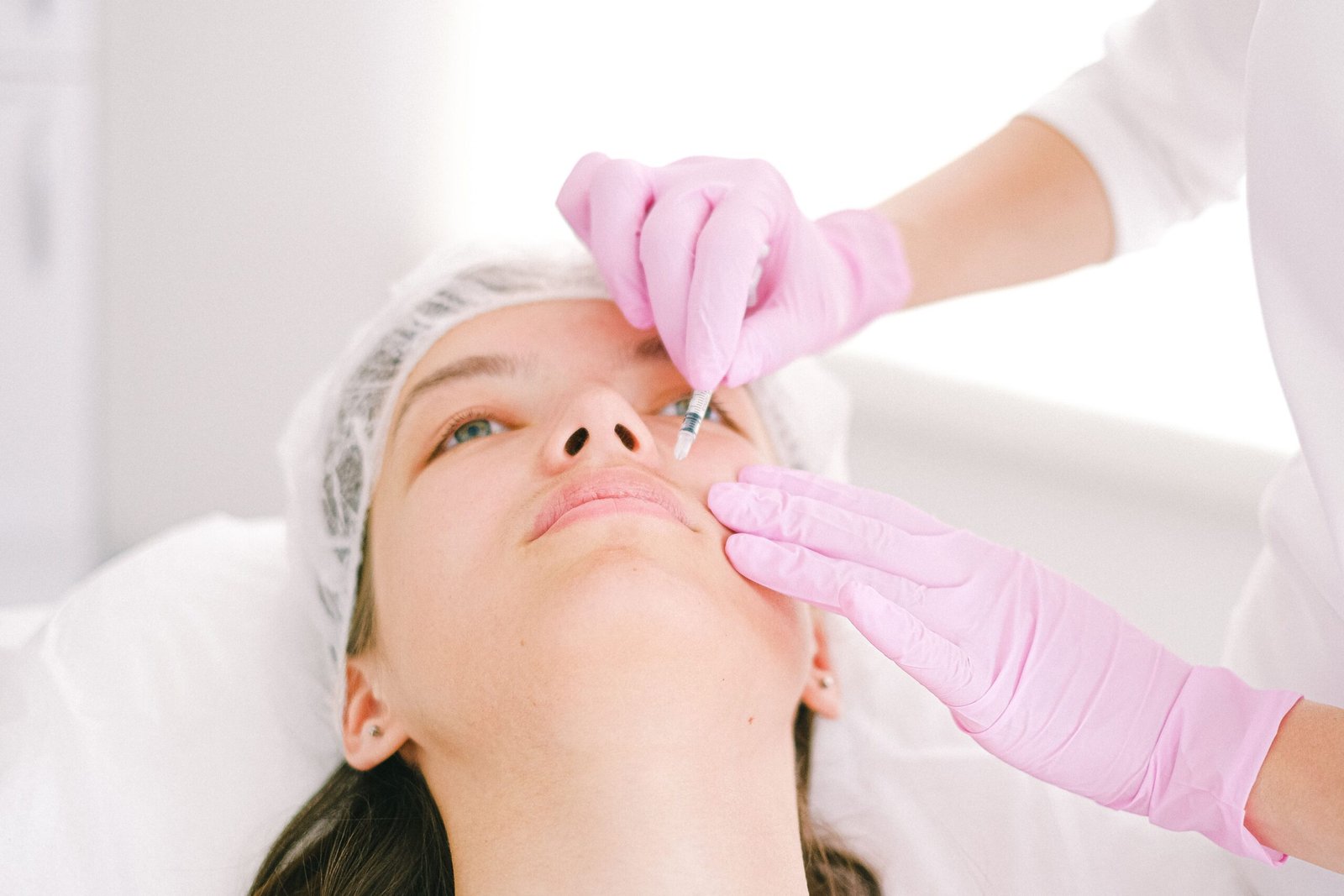
Introduction
The nasolabial folds—those characteristic creases that trace from the sides of the nose to the corners of the mouth—are among the earliest and most visible signs of facial aging. As we age, these natural facial contours can deepen into prominent lines that convey fatigue, sadness, or an older appearance, often at odds with how we feel inside. In the quest for facial rejuvenation, nasal fold filler treatments have emerged as one of the most effective non-surgical solutions, offering dramatic yet natural-looking results with minimal downtime .
Modern aesthetic medicine has evolved far beyond the simple “line filling” approaches of the past. Today, the treatment of nasolabial folds is understood as a sophisticated art form that requires a comprehensive understanding of facial anatomy, the multifactorial causes of fold formation, and the distinct properties of various dermal fillers. Whether you are exploring options for the first time or seeking to refine your approach, this guide delves into the science, strategy, and artistry behind effective nasolabial fold treatment to help you achieve balanced, refreshed, and authentic results.
Understanding the Nasolabial Fold: A Complex Facial Feature
Nasolabial folds (NLFs) are far more than simple wrinkles or creases; they represent a complex interplay of structural anatomy, dynamic movement, and the aging process. These folds run from the sides of the nose to the corners of the mouth and are part of normal facial anatomy . Understanding their depth and prominence requires analyzing multiple underlying factors simultaneously.
The Multifactorial Nature of Nasolabial Folds
The primary reason nasolabial fold treatment demands such sophisticated approaches is that the folds themselves form through multiple, often overlapping, mechanisms. Modern aesthetic research classifies NLFs into distinct etiological types, each requiring a specific treatment strategy . The key contributing factors include:
Volume Deficiency: Over time, facial fat compartments atrophy and lose volume. When the deep cheek fat pads diminish, the overlying skin has less support, causing it to sag and fold along the nasolabial crease . This volume loss in the midface is often the primary driver of fold deepening.
Bone Retrusion and Resorption: The underlying bone structure provides the foundational support for facial soft tissues. Age-related bone resorption around the pyriform aperture (the pear-shaped opening at the front of the skull) and maxilla can reduce structural support, deepening the upper portion of the nasolabial fold. Bone retrusion creates a more concave upper NLF, necessitating deep structural support rather than simply filling the skin crease .
Muscular Attachments: The dynamic pull of facial muscles, particularly during repetitive expressions like smiling and talking, contributes to fold formation. Some individuals develop folds due to the specific attachments and movement patterns of these muscles, making them more prone to deep creases even without significant volume loss .
Skin Quality and Laxity: The quality of the skin itself plays a crucial role. Collagen degradation, elastin breakdown, and a reduction in hyaluronic acid within the dermal tissues weaken skin support, allowing folds to deepen . Sun exposure, smoking, and natural aging accelerate these changes.
Fat Pad Prolapse: In some cases, the nasolabial fat pad can hypertrophy and prolapse forward. This creates a bulging effect that paradoxically deepens the fold beside it, as the shadow cast by the fat pad accentuates the crease .
Types of Nasolabial Folds
Given this complexity, practitioners now classify NLFs based on their primary etiology to determine the correct treatment plan . The major types include:
Skin-type folds: Caused primarily by loss of collagen, HA, and subcutaneous fat in the dermis, often appearing as superficial wrinkles along the fold line.
Fat pad-type folds: Characterized by nasolabial fat pad hypertrophy and ptosis; the fold typically deepens noticeably upon smiling.
Bone retrusion-type folds: Result from loss of bony support in the pyriform aperture and maxilla, producing a more concave upper NLF.
Hybrid (mixed) folds: The most common presentation, combining two or more of the above etiologies; for example, a patient may have both bone retrusion and significant midface volume loss, requiring comprehensive treatment addressing both issues .
Why Nasal Folds Form: The Science of Facial Aging
Understanding why nasal folds form is crucial for appreciating why modern treatment strategies emphasize holistic midface rejuvenation rather than simplistic direct injection.
The Role of Facial Anatomy and Aging
The aging process impacts every layer of facial anatomy in a cascading effect. As the midface loses structural integrity and volume, the entire soft tissue complex descends. This descent creates a “fold” effect as the cheek tissue collapses against the relatively fixed structures around the nose and mouth. The result is not merely a line but a shadow and depression that reflects underlying volume loss .
The Evolution of Filler Philosophy: Direct vs. Indirect Approaches
Historically, nasolabial fold treatment involved injecting filler directly into the crease to “fill” it. While this approach can improve appearance, it often leads to suboptimal results—the folds may appear puffy, overfilled, or unnatural. Modern practitioners understand that treating the cause rather than the symptom is paramount.
Indirect approaches have revolutionized NLF treatment. By restoring lost volume to the cheeks and midface, the supporting tissues are lifted, which softens the nasolabial fold without adding excessive product directly into the crease itself . This holistic approach yields more natural, balanced results and avoids the “pillow face” or overly wide midface appearance that can result from overfilling the folds directly .
This shift in philosophy represents a more sophisticated understanding of facial harmony. When patients present for nasal fold filler, practitioners increasingly assess whether the primary issue is actually volume loss in the cheeks above the fold, which indirectly causes the fold to become more pronounced.
Filler Selection: Choosing the Right Product for Optimal Results
The choice of filler product is one of the most critical decisions in nasolabial fold treatment. With a diverse range of products available, each with distinct physical properties, selecting the right filler for the specific type of fold and patient anatomy is essential for achieving natural, long-lasting results.
Hyaluronic Acid: The Gold Standard
The vast majority of nasolabial fold treatments use hyaluronic acid (HA) fillers . HA is a naturally occurring substance in the skin that binds water, providing hydration and volume. HA fillers are favored due to their predictable performance, immediate results, and reversible nature—if the results are unsatisfactory or complications arise, the filler can be dissolved with hyaluronidase.
Within the category of HA fillers, there are two primary types: monophasic and biphasic, each with distinct characteristics that suit different applications .
Monophasic Fillers consist of a homogeneous HA gel. They are known for their smooth consistency and ability to integrate seamlessly into the tissue, making them ideal for dynamic areas like the nasolabial folds where the skin is constantly moving . These fillers are less likely to produce visible lumps or irregularities. A meta-analysis of 1,765 patients found that monophasic fillers demonstrated superior performance and integration in dynamic regions, with fewer side effects such as swelling and bruising .
Biphasic Fillers contain cross-linked HA particles within a gel matrix, providing greater volume retention and structural support . Their firmer consistency is more suitable for deep applications requiring projection, such as cheek augmentation or nose reshaping. However, this density can also lead to higher rates of transient adverse effects, including swelling and bruising, particularly in areas of high mobility .
Matching Filler to Fold Type
The distinction between monophasic and biphasic fillers illustrates the importance of product selection based on the fold’s etiology and severity.
AST Protocol 1: Superficial Skin-type Folds: For superficial skin-type wrinkles caused by collagen degradation and HA loss, a monophasic filler designed for smooth integration is preferred. These fillers are injected into the mid-to-deep dermis using the blanching technique, effectively effacing surface wrinkles without overfilling the deeper structures. In the AST protocol system, Belotero Balance Lidocaine (a monophasic filler) is recommended for this approach due to its high tissue integration and cohesivity .
AST Protocol 2: Deeper Structural Support: For folds exacerbated by insufficient deep bony support due to maxillary retrusion or age-related bone resorption, a higher-viscosity filler is required. The dual-plane sandwich technique employs a biphasic or high-G’ filler (like Belotero Volume Lidocaine) injected supraperiosteally at the canine fossa to rebuild deep support, followed by a more superficial layer to finesse the fold . This layered approach restores structural foundation while refining the surface appearance.
AST Protocol 3: Midface Deflation: When midface volume loss contributes significantly to NLF appearance, the strategy focuses on indirect treatment through deep cheek fat compartment revolumization . A volumizing filler is placed deeply in the cheek to lift ptotic tissues and restore bony structural support, often combined with direct injection strategies to address residual creasing .
AST Protocol 4: Pan-facial Rejuvenation: For the most complex cases involving multiple facial areas (temple hollowing, jawline laxity, combined with NLF deepening), comprehensive treatment may incorporate injections across the face to restore overall balance. This approach addresses the underlying etiology fully through a combination of direct and indirect techniques .
New and Emerging Filler Types
In addition to traditional HA fillers, the aesthetic market continues to evolve. Novel products combining HA with calcium hydroxyapatite (CaHA) have been developed, aiming to leverage the immediate volumizing effects of HA with the longer-term collagen-stimulating properties of CaHA . These combined fillers are being evaluated for moderate to severe NLF correction and may offer extended duration of effect .
The Art and Science of Injection: Modern Treatment Protocols
The transformation in nasolabial fold treatment philosophy is best exemplified by the development of sophisticated injection protocols. The goal is no longer simply to make the fold disappear, but to create a balanced, harmonious facial appearance that looks refreshed and natural.
Comprehensive Assessment and Diagnosis
The first and most critical step in effective treatment is a thorough clinical assessment. This assessment goes far beyond simply looking at the depth of the fold. It involves analyzing the patient’s facial structure, skin quality, muscle dynamics, and the specific causes contributing to their folds.
Using standardized scales like the Merz Aesthetics Scales (MAS) or the Allergan Wrinkle Severity Rating Scale (WSRS), practitioners classify the NLF severity from mild to very severe . Simultaneously, the underlying etiology (skin-type, fat pad-type, bone retrusion-type, hybrid) is identified . This combined assessment is critical because while severity determines the volume of filler required, the etiology dictates the injection technique, depth, and product selection.
Injection Protocols: A Case-Based Approach
The AST (Assessment, Strategy, and Treatment) protocols offer a comprehensive framework for tailored NLF treatment . These protocols reflect the shift toward patient-centric, etiology-based treatment:
Protocol 1: Treating Superficial Nasolabial Wrinkles: When patients present with mild, superficial wrinkles of the skin-type, the strategy involves direct injection of a low-viscosity monophasic filler into the mid-to-deep dermis. The objective is to efface the surface crease without adding bulk to the deeper tissues. Outcomes include the smoothing of fine lines and superficial NLF effacement .
Protocol 2: Addressing Volume Deficiency and Bone Retrusion: For deeper folds that result from a combination of soft tissue volume loss and bone retrusion, the dual-plane sandwich technique is employed. The first layer involves deep, supraperiosteal injections of a higher-viscosity filler in the canine fossa to restore foundational support. This is followed by subcutaneous injections to smooth the fold . Outcomes include shallower NLF depth with natural tissue integration .
Protocol 3: The Holistic Midface Approach: In cases where midface deflation is the primary driver of NLF severity, the protocol shifts focus to indirect injection. Filler is placed deeply into the medial cheek fat compartment and preauricular hollows to elevate sagging tissues. This lifting effect softens the NLF. If necessary, this is combined with direct NLF injection . Outcomes include improved cheek projection, smoother submalar contours, and a natural softening of the NLF .
Protocol 4: Pan-Facial Rejuvenation: In advanced cases with significant global facial volume loss, the strategy becomes pan-facial. BVL is injected into the temples and/or jawline, in combination with midface augmentation, and direct NLF injections. This holistic approach treats the entire face as an interconnected structure, achieving balance and harmony across all features .
Advanced Injection Techniques
Beyond the choice of product and protocol, specific injection techniques maximize results and minimize risks. The following techniques illustrate the level of precision involved in advanced NLF treatment:
The Blanching Technique: Used for superficial filling, this technique involves injecting filler intradermally until the skin blanches (turns white). This ensures precise placement of small amounts in the dermis to efface superficial wrinkles without overcorrection .
The Fern Leaf and Duck Walk Techniques: These advanced methods involve precise layering of filler in small, controlled deposits to create a smooth, natural contour . The fern leaf technique involves injecting in a pattern that mimics the veins of a leaf, distributing filler across a broad area. The duck walk technique uses multiple, small micro-boluses injected in a staggered pattern to build volume gradually.
Cannula vs. Needle: While needles offer precise control for targeted injection, cannulas (blunt-tipped tubes) are increasingly preferred for safety reasons. A cannula reduces the risk of intravascular injection (injecting filler into a blood vessel) and minimizes bruising by causing less trauma to the tissue .
Special Considerations: The Pyriform Aperture
One of the most important anatomical considerations in nasal fold filler injection is the pyriform aperture. This pear-shaped bone opening at the front of the skull is adjacent to the upper nasolabial fold. Deep injections near the pyriform aperture can effectively support the upper fold. However, the pyriform area is also anatomically close to the internal nasal valve, and careful technique is required .
Understanding and Managing Risks: Safety First
While nasolabial fold filler is a safe and routine procedure when performed by an experienced professional, awareness of potential risks and complications is essential for informed decision-making.
Common, Transient Side Effects
The majority of side effects following filler injections are mild, short-lived, and expected. These are essentially a normal part of the body’s response to injection. The most commonly reported side effects in a 2021 systematic review were:
Lumpiness or irregularities: ~43%
Tenderness: ~41%
Swelling: ~34%
Bruising: ~29%
These effects are generally mild and resolve within a few days to two weeks . More severe swelling and bruising can occur, particularly with biphasic fillers or after injections in areas of high mobility .
Rare But Serious Complications
Serious complications are uncommon, but practitioners must be aware of them and take steps to prevent them:
Vascular Occlusion: This is the most feared complication of any filler injection, though it is extremely rare (estimated at 0.01-0.05% per injection) . It occurs when filler is inadvertently injected into or compressed against a blood vessel, obstructing blood flow. This can lead to tissue necrosis (death of the skin) or blindness if an ophthalmic artery is occluded. In the nasolabial fold, the facial artery is the primary vessel of concern . The use of cannulas, slow injection with aspiration, and a thorough understanding of facial anatomy are key to preventing vascular complications.
Internal Nasal Valve Collapse: A unique and rare functional complication involving the nasal airway has been reported. This can occur when deep filler placement near the pyriform aperture reduces the angle of the internal nasal valve, the narrowest part of the nasal airway, leading to dynamic collapse during inspiration . A case report documented a 50-year-old patient who developed unilateral nasal obstruction and noisy breathing three days after receiving filler in the nasolabial fold. The symptoms resolved with conservative treatment (warm compresses, firm massage, and corticosteroid spray) without the need for hyaluronidase .
Inflammatory Nodules: Rarely, delayed inflammatory nodules can form weeks to months after injection, thought to be related to biofilms or an immune response to the filler material .
Prevention and Management
The cornerstone of safety is prevention. Choosing a highly qualified, medically-trained injector with an in-depth understanding of facial anatomy is the single most important factor in minimizing risk. Other preventative measures include:
A thorough medical history to identify contraindications.
Use of appropriate injection technique (slow injection, aspiration, correct plane).
Understanding the location of critical anatomy, such as the facial artery .
Realistic Expectations and Cost Considerations
One of the most common sources of dissatisfaction with nasal fold filler is a mismatch between expectations and achievable results. A transparent discussion of what filler can and cannot accomplish is essential.
What Filler Can Achieve
Dermal fillers can significantly soften nasolabial folds, restoring a more youthful, rested appearance. They can:
Reduce the depth of the fold.
Smooth out the shadow and crease.
Restore volume to the midface, lifting the area above the fold.
Create a more balanced and harmonious facial appearance .
What Filler Cannot Achieve
It is crucial to understand that fillers cannot completely erase nasolabial folds, nor should they. The nasolabial fold is a normal anatomical feature that contributes to facial expression and character. Overfilling the folds to eliminate them entirely results in an unnatural, puffy, or “pillow-like” appearance . The goal is always to soften and rejuvenate, not to erase.
Patients also need to understand that it is normal to require touch-up treatments every 6-24 months. The longevity of results depends on the type of filler used, the injection depth, and the patient’s metabolism. Monophasic fillers may need more frequent touch-ups but offer superior natural integration, while biphasic fillers may last longer but come with a higher risk of transient side effects .
Cost Breakdown
The cost of nasolabial fold filler treatment varies widely based on several factors:
Geographic Location: Prices differ significantly between regions and countries.
Provider Expertise: Highly trained, experienced injectors command higher fees. Attempting to save money on filler treatments by choosing a low-cost provider is considered a significant risk factor.
Product Used: Premium brands or specialized products may cost more.
Volume Required: The number of syringes needed depends on the severity of the folds and whether indirect cheek augmentation is also performed.
Typical pricing ranges: In the UK, costs can range from 400 to 1,300 euros for moderate cases and up to 1,500 euros or more for advanced corrections that include midface support . In the US, fillers for nasolabial folds typically cost $700 to $1,400 per syringe, with many patients requiring more than one syringe . A touch-up session may be needed approximately two weeks after the initial treatment to refine the results.
Conclusion
Treating nasolabial folds with dermal fillers has evolved into a sophisticated, science-driven art form that goes far beyond simple line filling. Today’s approach emphasizes a holistic, patient-centric strategy that considers the underlying causes of the folds, the dynamic interplay of facial anatomy, and the distinct properties of different filler products. By moving away from direct overfilling and embracing comprehensive midface rejuvenation, modern aesthetic medicine can achieve truly natural, balanced, and long-lasting results.
The journey to smoother, more youthful nasal folds begins with an understanding that this is a personalized treatment. From monophasic fillers for dynamic areas to complex AST protocols that blend structural support with surface refinement, the options are tailored to each patient’s unique anatomy and goals. The key to success lies in selecting a qualified professional who understands the anatomy, the products, and the art of facial balancing. With the right approach, nasal fold filler offers a powerful, safe, and effective path to a refreshed appearance—one that restores not just volume, but also the confidence that comes with looking like the best version of yourself.
Frequently Asked Questions
What is nasal fold filler and how does it work?
Nasal fold filler, also known as nasolabial fold filler, is a non-surgical treatment using injectable hyaluronic acid (HA) gels to soften the creases running from the nose to the mouth. It restores lost volume and structural support to the area. The most effective modern treatments often combine direct injection into the fold with indirect injections into the cheeks to lift and soften the area .
How long do nasolabial fold fillers last?
The duration of results typically ranges from 6 to 18 months, depending on the type of filler used, the depth of injection, and individual patient factors like metabolism and lifestyle. Monophasic fillers integrate smoothly into the skin but may be absorbed slightly faster, while biphasic fillers offer more lasting projection due to their denser composition .
Is the procedure painful?
Most treatments are well-tolerated. Many HA fillers are formulated with lidocaine, a local anesthetic, to enhance comfort. Additionally, practitioners may use topical numbing creams and ice packs to minimize discomfort. The clinical study using a combined CaHA/HA filler reported a median pain score of only 2 out of 10 during injection .
What are the potential side effects and risks?
Common and expected side effects include temporary swelling, bruising, redness, and tenderness at the injection site, which usually resolve within 1-2 weeks . Rare but serious complications include vascular occlusion (which can cause skin necrosis or blindness) and, in rare cases, functional issues like internal nasal valve collapse . Choosing an experienced injector significantly reduces these risks .
Can the results be reversed if I don’t like them?
Yes, if a hyaluronic acid filler was used. HA fillers can be dissolved with an enzyme called hyaluronidase. This is a significant advantage of HA fillers and provides a safety net if the results are unsatisfactory, if a complication arises, or if overcorrection occurs .
How should I choose a practitioner for this treatment?
The practitioner’s qualifications are the most important factor. Choose a medically qualified professional, such as a dermatologist or plastic surgeon, with extensive experience in facial injectables. Ask to see before-and-after photos of their work and ensure they have a comprehensive understanding of facial anatomy, including the location of critical blood vessels .

Introduction
In an era where cardiovascular health remains a paramount concern for millions worldwide, the search for effective, natural solutions has never been more critical. Amidst a sea of supplements promising miraculous results, Provascin has emerged as a distinguished formulation, attracting attention for its unique, science-backed approach to supporting heart function and overall vitality. Developed by the reputable Canadian company Purica, Provascin is more than just another supplement; it is a carefully crafted blend of potent nutraceuticals designed to address the root causes of cardiovascular stress and promote long-term wellness. With sedentary lifestyles and fast-food diets leading to clogged arteries in people as young as 18, the need for proactive cardiovascular support is evident . This comprehensive guide delves deep into the world of Provascin, exploring its key ingredients, the science behind its efficacy, real user experiences, and essential considerations for those looking to incorporate it into their health regimen. Whether you are proactively managing your heart health or seeking therapeutic support, understanding the holistic benefits of Provascin is the first step toward a more vibrant and energetic life.
What is Provascin and How Does it Work?
Provascin is a dietary supplement formulated to promote cardiovascular wellness and optimal blood flow . It is crafted to assist the heart health needs of all adults, male or female, young and old, by targeting the structural and energetic needs of the cardiovascular system . Unlike a pharmaceutical drug, Provascin is a non-prescription option that utilizes a synergistic blend of natural compounds to support the body’s inherent processes. The philosophy behind its formulation, consistent with Purica’s approach, is to address the root causes of health issues rather than merely treating symptoms, using high-quality, synergistic ingredients designed to work with the body’s natural healing processes .
The supplement functions by leveraging a blend of natural compounds, such as Grape Seed Extract and Coenzyme Q10 (CoQ10), to improve endothelial function and provide antioxidant protection against oxidative stress . By combining several bioactive ingredients that target different aspects of the circulatory system, Provascin offers comprehensive support for blood vessel integrity and cholesterol management . For instance, it utilizes HMG-CoA Reductase Inhibitors found in natural sources to assist in lipid management . When taken consistently, users may notice an increase in energy and alertness within 3-4 days, with measurable benefits on blood scores typically observed within a 30 to 60-day period, depending on the individual . This multifaceted approach underscores why Provascin has become a tool for individuals dedicated to their heart health, prioritizing purity and efficacy with fewer additives and fillers than conventional alternatives .
The Synergistic Power of Key Ingredients
The efficacy of Provascin lies not in a single “miracle” ingredient, but in the powerful synergy of its carefully selected components. Each ingredient plays a distinct and crucial role in supporting cardiovascular health, and their combination produces a multiplied effect that is unmatched .
Coenzyme Q10 (CoQ10)
CoQ10 is a naturally occurring antioxidant found in every cell of the body, but it is most concentrated in the heart . It is essential for the production of adenosine triphosphate (ATP), the energy currency cells use to function. As people age or take certain medications like statins, natural CoQ10 levels can drop significantly . Supplementing with CoQ10 helps ensure the heart muscle has the energy it needs to pump efficiently and protects cells from oxidative stress . In Provascin, CoQ10 is included to help with arterial relaxation, which can result in decreased blood pressure . With 38 mg per capsule, it is a foundational element for cardiac energy metabolism .
L-Carnitine
L-Carnitine is an amino acid derivative that plays a critical role in transporting fatty acids into the mitochondria—the power plants of the cells . By helping the heart utilize fat for energy, L-Carnitine supports metabolic efficiency and cardiac function . Its supplementation appears to improve symptoms of and exercise tolerance in those with angina and/or congestive heart failure . Each capsule of Provascin contains a robust 188 mg of L-Carnitine, making it a primary driver for energy production and heart muscle performance .
Hawthorn Extract
Hawthorn is a shrub whose berries, leaves, and flowers have a long history of use in traditional herbal medicine . It is known for its ability to dilate blood vessels, which can help improve blood flow and reduce the workload on the heart . Hawthorn contains antioxidant flavonoids that help strengthen the blood vessel walls, supporting overall vascular tone and healthy blood pressure levels . While not listed in the specific capsule breakdown, its role alongside other ingredients is vital for structural support and circulation .
Chaga Mushroom
A unique and powerful addition to Provascin is Chaga, a certified organic micronized medicinal mushroom . Chaga possesses adaptogenic properties, which means it can help the body adapt to stress, thereby mitigating a major risk factor for heart disease . In today’s high-stress world, managing cortisol and stress responses is crucial for cardiovascular health, and Chaga provides this support.
Alpha-Ketoglutaric Acid, Betaine, and Alpha-Lipoic Acid
These supporting ingredients further enhance Provascin’s protective effects. Alpha-Ketoglutaric Acid is reported to bind ammonia in the blood, thus reducing its potential to damage the heart, blood vessels, and other tissues . Betaine is a derivative of the amino acid glycine that can lower levels of homocysteine, an amino acid that can damage arteries and potentially lead to atherosclerosis and blood clot formation . Alpha-Lipoic Acid is a potent antioxidant that can decrease blood glucose levels, which is important because high blood glucose can cause a process called glycation in the blood vessels, leading to stiffening of the arteries .
Grape Seed Extract and Green Tea Extract
Rich in polyphenols and antioxidants, these extracts provide essential protection for heart tissue maintenance. They help combat oxidative stress and support healthy circulation, complementing the action of the other ingredients to ensure vascular integrity .
Potential Benefits and Clinical Efficacy
Based on the properties of its ingredients, regular use of Provascin may offer several significant benefits for cardiovascular health and overall well-being. Clinical studies and user reports point to its efficacy in multiple areas .
Support for Healthy Blood Pressure: Ingredients like Hawthorn and Magnesium are well-researched for their roles in helping maintain blood pressure within a normal range by promoting vasodilation . Users have reported noticeable drops in blood pressure after consistent use .
Improved Energy Levels and Reduced Fatigue: By supporting the mitochondria in heart cells with CoQ10 and L-Carnitine, users may experience a significant reduction in fatigue associated with poor cardiovascular efficiency .
Cholesterol and Lipid Management: Provascin is designed to support healthy cholesterol levels . The combination of natural HMG-CoA reductase inhibitors and other lipid-balancing compounds works to lower LDL (“bad”) cholesterol and support healthy HDL (“good”) cholesterol levels .
Circulatory Support: The vasodilating effects of its components improve overall circulation, which may result in better nutrient delivery to extremities and the brain, leading to enhanced mental clarity and focus .
Antioxidant Protection and Removal of Toxic Waste: The powerful combination of antioxidants provides a defense against free radicals, which can damage arterial walls and contribute to plaque buildup . Provascin is also designed to relieve chronic venous insufficiency (CVI) and assist in the removal of toxic tissue waste and repair of muscle tissue .
Clinical research into Provascin continues to evolve, with studies highlighting its interaction with cellular energy pathways and its potential for sustained vitality . Customer feedback consistently supports these benefits, with many users reporting significant improvements in their lipid profiles and overall energy . However, it is essential to remember that results can vary based on individual physiology, lifestyle, and consistency of use, and the supplement is intended as a complementary tool alongside a healthy diet and exercise .
Usage, Dosage, and Safety Considerations
To maximize the benefits of Provascin and ensure safety, it is crucial to follow recommended usage guidelines and be aware of potential interactions and side effects.
Recommended Dosage
The dosage of Provascin varies depending on the individual’s needs .
For Prevention: It is recommended to take 3 to 4 capsules daily. Some users report taking this dosage with a meal to reduce the chance of gastrointestinal discomfort .
For Existing Cardiovascular Conditions: For those with pre-existing conditions, a higher therapeutic dose of 6 to 8 capsules daily is often suggested .
Potential Side Effects
While Provascin is generally well-tolerated, some individuals may experience mild side effects, particularly when starting the supplement .
Gastrointestinal Disturbances: These can include mild nausea, indigestion, diarrhea, or stomach cramps . Taking the supplement with food often alleviates these symptoms.
Headaches and Dizziness: Some users may experience temporary headaches or lightheadedness as the body adjusts to changes in blood pressure and circulation .
Muscle Pain: Similar to traditional statin drugs, though less common, some individuals might experience muscle aches .
Allergic Reactions: Rare instances of skin rashes or itching have been reported. Discontinue use and consult a doctor if this occurs .
Important Precautions and Interactions
People with pre-existing health conditions should be cautious when introducing any new supplement. It is vital to consult a healthcare practitioner before starting Provascin if you are taking any of the following, as interactions may occur :
Blood Thinners: Ingredients like Ginkgo Biloba or others with antiplatelet effects may increase the risk of bleeding.
Statins and Blood Pressure Medication: Because Provascin contains natural lipid-lowering properties and can affect blood pressure, combining them with prescription medications may lead to excessive effects or levels .
Pregnancy and Breastfeeding: The effects of Provascin during pregnancy and breastfeeding have not been thoroughly studied, so it is best to avoid the medication unless advised otherwise by a doctor .
Underlying Conditions: Consult a practitioner if you have a liver disorder, kidney disease, diabetes, iron deficiency, an autoimmune condition, or a seizure disorder .
Conclusion
In the pursuit of a healthy heart and a vibrant life, Provascin presents a compelling, science-backed option that goes beyond simple symptom management. By harnessing the synergistic power of natural ingredients like CoQ10, L-Carnitine, and Chaga, it addresses the multifaceted nature of cardiovascular health, supporting everything from cellular energy production and cholesterol balance to circulation and stress adaptation. The strong track record of safety, coupled with a wealth of positive user testimonials and clinical interest, positions Provascin as a valuable tool for anyone looking to proactively manage their heart health or complement an existing wellness routine. However, it is imperative to remember that no supplement is a cure-all. The most profound results are achieved when Provascin is integrated into a holistic lifestyle that includes a nutrient-rich diet, regular exercise, stress management, and consistent medical guidance. Always consult with your healthcare provider to ensure Provascin is the right fit for your personal health journey, and take the first step toward a stronger, more resilient cardiovascular system today.
Frequently Asked Questions (FAQ)
Q: What are the primary reported benefits of taking Provascin?
A: Users commonly report that Provascin helps in enhancing energy levels, improving mental focus and clarity, and supporting overall vitality . It is specifically formulated to support healthy blood pressure, balance cholesterol levels, improve circulation, and provide antioxidant protection for the heart and blood vessels .
Q: Is Provascin safe for long-term use, and how quickly can I see results?
A: For the majority of users, Provascin is considered safe when taken as directed . An increase in energy and alertness is often noticeable within 3-4 days, while the benefits on blood scores are typically measurable in a 30 to 60-day period . Consistency in dosing is key to achieving noticeable, long-term results.
Q: Can Provascin be taken with other supplements or prescription medications?
A: While Provascin can often be taken alongside other supplements, it is crucial to consult your healthcare provider first. This is especially important if you are taking prescription medications, particularly blood thinners, blood pressure medication, or statins, as interactions may occur . A professional can help ensure your overall regimen is safe and effective.
Q: What is the recommended dosage for Provascin?
A: The dosage varies depending on your health goals. For general prevention, it is recommended to take 3 to 4 capsules daily. For those with existing cardiovascular conditions, a higher therapeutic dose of 6 to 8 capsules daily is often suggested .
Q: What should I do if I experience side effects while taking Provascin?
A: If you experience mild side effects like headaches or gastrointestinal discomfort, try taking the supplement with food and ensure adequate hydration, as these symptoms are often temporary. If you experience more serious side effects, such as signs of an allergic reaction (rash, swelling), discontinue use immediately and consult a healthcare professional .


 Lifestyle4 months ago
How Long is 50 Feet? Real-World Comparisons, Conversions, and Everyday Examples
- Tech4 months ago
Orgo Slang: Meaning, Origins, Examples, and Why Students Use It
- Entertainment4 months ago
Funny Mexican People Jokes: Laughing With Culture, Not At It
- Game4 months ago
The Mabinogi Lazy Patch: The Ultimate Guide to Faster Updates, Gameplay Changes, and Safe Usage
- Tech4 months ago
Deshoptec com: A Complete Guide to Understanding This Emerging Online Platform
- news3 months ago
The Ultimate Guide to “LP Meaning”: Unlocking Its Diverse Definitions Across Industries
- life3 months ago
The Ultimate Airport Outfit Guide : How to Look Stylish, Feel Comfortable, and Travel Smart
- Fashion4 months ago
The Life and Legacy of Charity Hallett: The Woman Behind P.T. Barnum