
Fashion
What Is Ice Blue Color? The Ultimate Guide to 2026’s Most Trending Shade


Ice blue color has become one of the biggest design and fashion trends of 2026. From luxury fashion collections and modern home interiors to website design and premium branding, this elegant shade is everywhere. If you are looking for a color that feels fresh, calming, sophisticated, and timeless, ice blue is an excellent choice.
Often described as a soft frosty blue blended with white and subtle silver undertones, ice blue reflects the beauty of glaciers, snowy mountains, and clear winter skies. Unlike traditional baby blue or sky blue, ice blue appears cleaner, lighter, and more refined, making it ideal for both personal and professional use.
In this complete guide, you’ll discover ice blue color codes, psychology, fashion trends, home décor ideas, branding applications, the best color combinations, and how to create the perfect ice blue paint at home.
What Is Ice Blue Color?
Ice blue is a cool-toned pastel blue with a significant amount of white mixed into it. The result is a delicate color that feels airy, peaceful, and luxurious.
Its subtle appearance makes it one of the most versatile shades available because it works beautifully across:
- Fashion
- Interior design
- Graphic design
- Website UI/UX
- Luxury branding
- Wedding themes
- Product packaging
Unlike brighter blues that demand attention, ice blue creates an atmosphere of quiet confidence and modern elegance.
Ice Blue Color Codes: HEX, RGB, CMYK & Pantone
Whether you’re a graphic designer, painter, developer, or brand owner, using the correct color values ensures consistency.
Primary Ice Blue
- HEX: #A5D8F2
- Alternative HEX: #7FC8E8
- RGB: (165, 216, 242)
- CMYK: (32%, 11%, 0%, 5%)
- Closest Pantone: Pantone 2905 C
Popular Ice Blue Variations
Pale Ice Blue
- HEX: #D6EAF8
- Nearly white with a soft blue tint.
- Perfect for minimalist websites and clean backgrounds.
Deep Ice Blue
- HEX: #89C4F4
- Richer saturation for buttons, accents, and highlights.
Icy Aqua Blue
- HEX: #99E1E8
- Contains a subtle green tone for a tropical feel.
Silver Ice Blue
- HEX: #B9D9EB
- A muted version with grey undertones for luxury interiors.
Pro Tip
For digital interfaces, websites, and mobile apps, #A5D8F2 delivers the most recognizable ice blue appearance.
For printing, packaging, and corporate branding, Pantone 2905 C offers excellent color consistency.
The Meaning and Psychology Behind Ice Blue
Every color creates emotional responses, and ice blue psychology is especially powerful because it combines the calming nature of blue with the purity of white.
1. Calmness and Relaxation
Ice blue instantly reminds people of frozen lakes, fresh snow, and peaceful winter mornings. This naturally helps reduce stress, making it popular for:
- Wellness brands
- Meditation apps
- Luxury spas
- Healthcare websites
2. Mental Clarity
Blue is strongly connected to intelligence and concentration. Ice blue enhances these qualities by feeling open and uncluttered.
Many offices and creative studios use this color to encourage:
- Better focus
- Clear communication
- Creative thinking
- Productivity
3. Purity and Freshness
Its high white content symbolizes:
- Cleanliness
- Fresh air
- Hygiene
- Safety
This explains why many skincare, baby care, cosmetic, and bottled water brands choose ice blue packaging.
4. Quiet Luxury
One of the biggest interior and fashion trends of 2026 is quiet luxury, and ice blue perfectly represents this movement.
Instead of flashy colors, it communicates elegance through simplicity.
Ice Blue Fashion Trends in 2026
Fashion experts agree that ice blue is one of the standout colors of 2026. It has appeared on international runways and continues dominating seasonal collections.
The biggest advantage?
Ice blue complements almost every skin tone.
Monochrome Looks
An all-ice-blue outfit creates an effortlessly premium appearance.
Popular options include:
- Tailored suits
- Oversized coats
- Matching co-ord sets
- Knitwear
Statement Pieces
If you prefer subtle styling, choose a single standout item such as:
- Silk dresses
- Satin shirts
- Designer handbags
- Luxury heels
- Sneakers
Pair them with:
- White
- Beige
- Grey
- Cream
Men’s Fashion
Ice blue has become a modern alternative to navy.
Popular pieces include:
- Dress shirts
- Casual knit sweaters
- Blazers
- Sneakers
Bridal & Occasion Wear
Many designers now feature:
- Ice blue gowns
- Sarees
- Lehengas
- Bridesmaid dresses
The shade photographs beautifully under both daylight and evening lighting.
Ice Blue Interior Design and Home Décor
Interior designers often describe ice blue as a visual expander because it helps smaller rooms feel brighter and larger.
Walls
An ice blue feature wall instantly creates:
- Calm bedrooms
- Elegant living rooms
- Hotel-inspired interiors
Kitchen Design
Modern kitchens increasingly feature:
- Ice blue cabinets
- White marble countertops
- Brass hardware
- Gold fixtures
This combination creates an exceptionally luxurious appearance.
Bathrooms
Ice blue naturally reinforces feelings of:
- Freshness
- Hygiene
- Relaxation
Pair it with:
- White tiles
- Chrome fixtures
- Natural stone
Furniture & Accessories
If repainting isn’t an option, introduce ice blue through:
- Velvet sofas
- Throw pillows
- Curtains
- Rugs
- Decorative vases
It pairs especially well with:
- Oak wood
- Walnut
- Brass
- Matte black
Best Color Combinations With Ice Blue
One reason designers love ice blue is its incredible flexibility.
1. Ice Blue + White
A timeless minimalist combination.
Ideal for:
- Websites
- Summer fashion
- Scandinavian interiors
2. Ice Blue + Beige or Camel
The ultimate quiet luxury palette.
Warm neutrals soften the cool appearance of ice blue beautifully.
3. Ice Blue + Charcoal Grey
Perfect for:
- Corporate branding
- Offices
- Modern architecture
- Professional wardrobes
4. Ice Blue + Gold
One of the most luxurious combinations available.
Examples include:
- Gold jewelry with ice blue clothing
- Gold lighting fixtures
- Premium product packaging
5. Ice Blue + Blush Pink
A romantic pastel pairing ideal for:
- Weddings
- Baby showers
- Boutique branding
- Beauty businesses
Avoid combining ice blue with intense neon colors, as they often overpower its delicate elegance.
Using Ice Blue for Branding, Logos, and Website Design
Many modern companies are embracing ice blue because it communicates trust without feeling overly corporate.
Industries frequently using this shade include:
- Technology
- Healthcare
- Finance
- Beauty
- Wellness
- SaaS businesses
Website Design
Ice blue works wonderfully as a background color because it:
- Improves readability
- Reduces eye strain
- Creates a clean interface
- Highlights darker typography
Pair it with:
- Navy
- Dark grey
- Black
- White
Logo Design
Brands choosing ice blue often want to appear:
- Innovative
- Transparent
- Reliable
- Modern
The color instantly communicates professionalism while remaining approachable.
How to Make Ice Blue Paint at Home
Creating your own ice blue paint is surprisingly simple.
Basic Formula
Start with:
- 95% pure white paint
- 5% cerulean blue or phthalo blue
Then:
- Add an extremely small amount of teal or green.
- Mix thoroughly.
- Adjust gradually until the desired frosty appearance is achieved.
If the mixture looks:
- Too dark: add more white.
- Too grey: increase blue slightly.
The goal is a soft glacier-inspired finish rather than a standard light blue.
Why Ice Blue Is the Color of 2026
The popularity of ice blue goes far beyond seasonal fashion. It reflects modern lifestyles that prioritize calmness, wellness, minimalism, and timeless elegance. Whether you’re refreshing your wardrobe, redesigning your home, building a website, or launching a new brand, this versatile shade delivers a polished and contemporary look.
Its combination of peaceful psychology, premium aesthetics, and universal versatility makes it one of the smartest color choices for 2026. From HEX code #A5D8F2 to luxurious home décor, stylish clothing, and trustworthy branding, ice blue continues to redefine modern design with effortless sophistication.
Final Thoughts
Ice blue color is more than a beautiful pastel—it is a statement of clarity, elegance, and modern luxury. Its cool, refreshing appearance makes it suitable for virtually every creative field, including fashion, interiors, digital design, branding, and art. Whether you incorporate it through clothing, décor, websites, or paint, ice blue offers a timeless aesthetic that feels both calming and upscale.
If you’re looking for a color that combines minimalism, versatility, and premium appeal, ice blue is undoubtedly one of the best choices for 2026. Start with subtle accents or embrace a full transformation, and enjoy the fresh, glacier-inspired elegance this remarkable shade brings to every project.
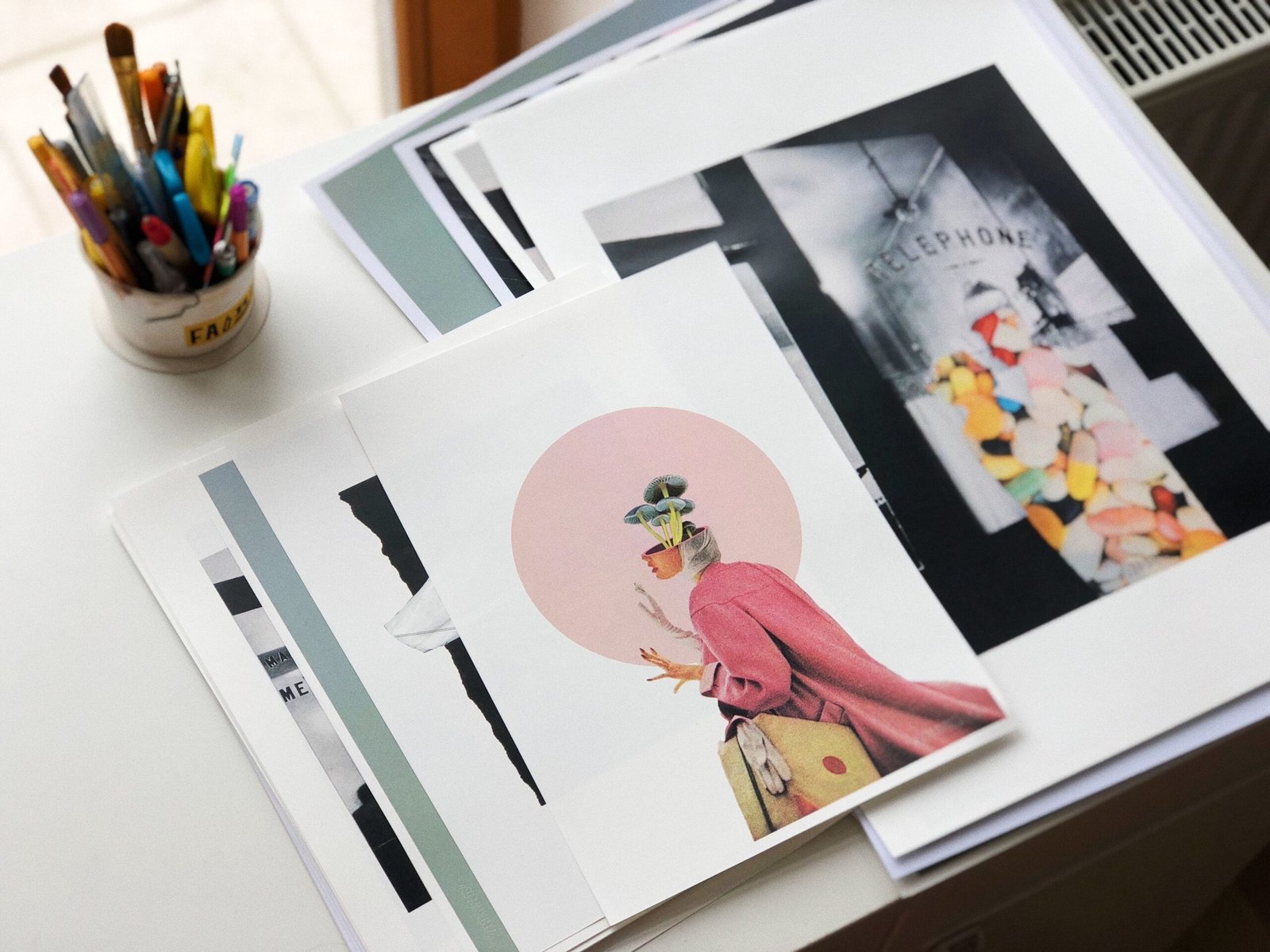
Techniques, Inspiration, and Creative Projects
In a world increasingly dominated by digital perfection and fleeting images, the tactile and deeply personal art of collage stands as a testament to creativity’s boundless nature. It is an art form that invites you to be a collector, a storyteller, and a magician who transforms ordinary scraps into extraordinary visual narratives. Whether you are a seasoned artist, a budding creative, or someone looking for a new and therapeutic hobby, exploring collage ideas is a journey into the heart of artistic expression. This comprehensive guide is designed to inspire and instruct, providing a wealth of collage ideas that range from beginner-friendly projects to advanced mixed-media explorations. Here, we will delve into the essential materials, uncover diverse techniques, and ignite your imagination with creative prompts that will help you master the art of the collage. Prepare to see the world around you not as it is, but as a collection of potential masterpieces waiting to be assembled.
Understanding the Art of Collage
At its core, collage is an art technique where the artwork is made from an assemblage of different forms, creating a new whole . This definition, elegant in its simplicity, belies the profound creative potential inherent in the process. The word itself comes from the French coller, meaning “to glue,” and it perfectly encapsulates the foundational act of the craft . However, a collage is far more than just items stuck to a surface. It is a conversation between disparate elements—a magazine cutout of a 1950s housewife might find itself standing next to a Victorian-era botanical illustration, all set against a backdrop of music sheets and textured fabric. This dialogue creates a new context, generating meaning, emotion, and visual interest that the individual components could never achieve on their own . The true beauty of collage lies in its democratic nature; you do not need to be a skilled draftsman or painter to create a compelling piece. The act of selecting, cutting, arranging, and adhering is an artistic process in itself, one that relies on intuition, composition, and a keen eye for the unexpected .
Essential Materials for Starting Your Collage Journey
One of the most liberating aspects of collage is that you likely already possess a treasure trove of materials. Unlike many art forms that require a significant financial investment in specialized supplies, collage thrives on found objects and repurposed ephemera. This makes it an incredibly accessible and sustainable creative outlet.
Foundational Tools and Adhesives
Before you dive into the world of image collecting, it is crucial to have a few reliable tools. A good pair of scissors is non-negotiable; having both a fine-tipped pair for intricate cuts and a larger pair for general use is ideal. For more precise work, many artists swear by an X-Acto knife or a craft knife paired with a self-healing cutting mat . This combination allows for clean, sharp edges and intricate cutouts. When it comes to adhesion, the choice is vast, and the best option depends on the materials you are using. A simple glue stick is versatile and perfect for lightweight papers, while liquid acrylic medium is a favorite among mixed-media artists as it dries clear, can be used as a sealant, and comes in gloss or matte finishes to control the final shine . For heavier materials like wood, metal, or fabric, a stronger hold is needed, making a gel medium or a trusty glue gun the better option .
Sourcing Imagery and Paper
The heart of any collage lies in its imagery, and inspiration can be found everywhere . A cluttered magazine rack or a stack of old, forgotten books is a goldmine for collage artists. Pages from vintage fashion magazines, encyclopedias, and travel brochures provide a wealth of beautiful, ready-made images. However, don’t limit yourself to printed media. The world around you is filled with potential collage materials . Walking through a park can yield dried leaves, flower petals, and interesting bark textures. A trip to a thrift store might unearth old postcards, sheet music, maps, and discarded board games that are perfect for your art. For a more controlled approach, you can print images from copyright-free online sources like Pixabay or the Flickr Commons, giving you an endless supply of thematic material . For those looking to add rich texture and pattern, scrapbooking paper pads are an excellent resource, offering a vast array of coordinated colors and designs .
A Universe of Collage Ideas: Techniques and Themes to Explore
With your materials assembled, the real fun begins. The possibilities for collage art are truly infinite, but a few key techniques and themes can serve as excellent starting points or help you break through a creative block. These ideas range from a minimalistic approach focused on composition to chaotic, layered masterpieces.
Exploring Mixed Media and Texture
One of the most exciting ways to elevate a collage is by incorporating mixed media techniques. This involves moving beyond paper and glue to include elements like paint, fabric, and three-dimensional objects . Adding a splash of watercolor or acrylic to a paper collage can unify the piece, creating a beautiful contrast between the rigid, cut edges of the paper and the fluidity of the paint . For texture, think about incorporating fabric scraps, ribbon, yarn, or even sandpaper to create a tactile element that draws the viewer in . This use of varied materials adds depth and a sensory dimension to your artwork, making it more complex and visually engaging. As one artist notes, layering elements is key; by overlapping different materials, you create a “magic” depth that captivates the eye .
Storytelling and Thematic Collages
Collage is an incredibly powerful medium for storytelling. A thematic collage is centered around a specific concept or emotion, and the arrangement of images works to narrate a story or explore an idea . For example, a memory collage could be a beautiful way to preserve a special event or a loved one. Combine photographs with ticket stubs, a piece of a map from a memorable location, and handwritten notes to create a three-dimensional scrapbook of your experience . You can also explore emotional expression; as a project from the University of Edinburgh highlights, collage can be a tool for self-reflection and emotional release, helping creators transform complex feelings into visual symbols . A cottagecore collage journal is another wonderful thematic project, combining vintage paper elements, botanical images, and earthy tones to evoke a sense of cozy nostalgia and simple living .
Surreal and Unexpected Combinations
Perhaps the most iconic collage technique is the creation of surreal and whimsical imagery by juxtaposing unrelated objects. This is where you can let your imagination run wild and challenge viewers’ perceptions. By combining two drastically different images, you can create a new, dreamlike scene. Imagine a city skyline growing out of a rolling meadow, or a giant teacup balancing on a mountaintop . This technique of unexpected object placement not only creates visual intrigue but can also be a powerful tool for metaphor and social commentary . The goal is to spark curiosity and make the viewer ask, “What am I looking at?” and “What does it mean?” The juxtaposition of something modern with something antique, or something small with something large, creates a visual tension that makes the piece unforgettable .
The Art of Layering and Composition
A successful collage relies heavily on its composition. One of the fundamental techniques for building a visually interesting piece is layering. By stacking and overlapping different elements, you create a sense of depth and history within the work . You can start with a background of music sheets or a pattern, then add a layer of magazine cutouts, and finally, a focal point like a face or an illustration. To unify a busy composition, try using a unified color palette. Sticking to one dominant color family, as demonstrated in a step-by-step art journal collage, helps create harmony and balance even among disparate images . Another key tip is to consider the focal point. Use the lines and shapes of your background elements to guide the viewer’s eye toward the center of interest, whether it’s a model, a specific object, or an area of negative space . Finally, don’t be afraid to leave some areas of your background exposed; this negative space allows the collage to breathe and prevents it from feeling overwhelming.
Conclusion
From the quiet meditation of a minimalist composition to the chaotic energy of a collage ideas surreal mashup, collage is an art form that celebrates imperfection, encourages resourcefulness, and offers endless avenues for personal expression. It is a world where the cast-off pages of a magazine find new life alongside pressed flowers and bits of fabric, and where your imagination is the only limit. The ideas explored in this guide—from mixed media and thematic storytelling to surreal juxtapositions and considered composition—are merely a starting point. As you gather your materials, whether they are vintage photographs, your child’s art projects, or a collection of old maps, remember that every piece you create is a reflection of your unique perspective. The true joy of collage lies not in creating a perfect image, but in the process of discovery, play, and transformation. It is about seeing the potential in the discarded and stitching the fragments of the world into a new and beautiful whole.
Frequently Asked Questions (FAQ)
1. What is the best type of glue for collage?
The best glue depends on the materials you are using. For lightweight papers and magazine cutouts, a standard glue stick is often the simplest and most effective choice . For a more professional finish that allows you to also seal your work, an acrylic medium (gloss or matte) is an excellent option . If you are adhering heavy or three-dimensional items like buttons, wood, or metal, a glue gun or a heavy-duty gel medium is necessary .
2. Do I need to be good at drawing to create a collage?
Absolutely not. Collage is a fantastic art form for beginners because it relies more on your creativity, sense of composition, and ability to find interesting materials than on your drafting skills . Many of the most powerful collages are made entirely from pre-existing images and don’t require any drawing at all, though adding a doodle or outline can be a fun way to personalize your work .
3. Where can I find copyright-free images for my digital collages?
There are several excellent resources for high-quality, copyright-free images. Pixabay offers a vast library of over 1.6 million images that are free to use . The Flickr Commons is another fantastic source, providing access to images from archives, libraries, and museums around the world . You can also create your own image library by scanning old photographs, books, and magazines from your personal collection.
4. What is a “cottagecore” collage?
Cottagecore is an aesthetic that romanticizes rural life, nostalgia, and a simpler, more sustainable way of living. A cottagecore collage typically features earthy, muted tones and images such as botanical illustrations, vintage prints, wildflowers, mushrooms, and simple patterns. The goal is to create a feeling of warmth, comfort, and coziness .
5. How can I make my collage look professional and polished?
A few key techniques can elevate your collage work. First, focus on composition; use a single color family to unify your piece, and be intentional about where you place your focal point . Second, master your cutting technique; using a craft knife and a cutting mat allows for cleaner, more precise edges than scissors . Finally, pay attention to layering by adding shadows or borders to your cut-out elements, a technique that gives them a “sticker-like” feel and helps them pop off the page .

Introduction
The name “Janet Gayle” might appear as a simple combination of a common first name and a popular middle name, but a deeper dive into public records and genealogical archives reveals a tapestry of distinct and inspiring lives. Across the United States, from the Midwest to the South, women named Janet Gayle have led remarkable lives, often characterized by a deep commitment to family, community service, and personal resilience. While they never sought the national spotlight, their stories offer a profound glimpse into the fabric of American life across generations. This article explores the legacies of several real women named Janet Gayle, moving beyond a simple name to understand the unique contributions and lasting impacts they had on their families and communities. By examining their lives, we uncover the power of a name as a marker of history, identity, and the everyday heroism of ordinary people.
The Tapestry of Lives: Uncovering Remarkable Stories
A review of available information reveals that the name Janet Gayle is associated with women from diverse backgrounds and eras. For instance, Janet Gayle Gross, born in 1934 in Michigan, represents a generation that came of age in the mid-20th century, working for decades at the prominent Hudson’s Department Store in Detroit and raising a family with her husband Richard . Her story is one of dedication to family and the work that sustained them, a common narrative for many women of her time.
Other Janet Gayles were defined by their intellectual pursuits and professional achievements. Janet Gayle Ledbetter, a Texan born in 1948, was a passionate historian and genealogist who traveled the country to trace her family’s roots . She also dedicated herself to community service through politics, serving as the Johnson County Democratic Chair . Her life illustrates a powerful combination of scholarly passion and active civic engagement, highlighting how one person can influence their local community through both knowledge and service.
Similarly, Janet Gayle Widman, born in 1947, leveraged her education in English and nursing to become an advocate for abstinence education, developing programs on date rape and chastity that reached thousands of young people . Her work, recognized in “Who’s Who in American Nursing,” demonstrates a unique blend of compassion and proactive advocacy, addressing pressing social issues through direct education and public discourse.
Other Janet Gayles were defined by their artistic gifts and enduring faith. Janet Gayle Tansil, born in 1948 in Texas, was gifted with a beautiful voice and performed in stage productions like “My Fair Lady” and “Oklahoma,” her singing of “Amazing Grace” moving audiences to tears . Her legacy is one of grace and a deep faith, which she shared with all who knew her.
The most recent records introduce Janet Gayle Brubaker, born in 1942, a social worker who dedicated her career to helping others, from troubled children to the elderly . Her life was also marked by a love of gardening and a commitment to her community, using her skills to provide fresh food to local food banks in her later years . This thread of service, whether as a social worker, a political chair, a nurse, or a devoted mother, is a defining characteristic of the women who share this name.
The Reality of a Name: From Obituaries to Public Record
The majority of information available about women named Janet Gayle comes from obituaries, genealogical sites like Find a Grave and WikiTree, and local newspaper archives . These sources provide a framework for understanding their lives through milestones: births, marriages, careers, and deaths. They reveal that Janet Gayle is a name shared by mothers, grandmothers, wives, and daughters who lived full lives in states like Michigan, Texas, Ohio, Indiana, Iowa, and Minnesota .
These records are more than just a collection of dates and places; they are a testament to the enduring value of family history. The detailed obituaries often list the survivors and predeceased family members, creating a record of family lineage and the deep connections these women fostered . The passion for genealogy held by one Janet Gayle Ledbetter directly contributes to the very information that allows us to piece together the lives of others, showing how the preservation of history is a cyclical and vital act.
Conclusion
In conclusion, the name Janet Gayle does not refer to a single famous individual, but rather to a constellation of women whose lives, while grounded in local communities, collectively tell a powerful story. They were nurses, social workers, historians, political activists, and devoted family members. Their lives, as documented in public records, reveal common threads of resilience, a passion for service, and a profound commitment to the people and places they loved. Whether through raising a family, serving their community, or pursuing a professional passion, each Janet Gayle left an indelible mark on their corner of the world. Their stories challenge us to look beyond the surface of a name and to recognize the depth, complexity, and significance of every individual’s life journey. They serve as a poignant reminder that history is not just made by the famous, but by the countless dedicated individuals who shape our communities every day.
Frequently Asked Questions (FAQ)
Q1: Is “Janet Gayle” a famous celebrity or public figure?
A: No, “Janet Gayle” is not a widely known celebrity or public figure. The name appears in public records and genealogical databases as belonging to several different women, each with their own unique life story. One search result referred to a missing person case that appears to be a fictional or sensationalized story, but the name is primarily associated with real, private individuals .
Q2: How many different women are named Janet Gayle?
A: Based on genealogical records, there are multiple women named Janet Gayle across different generations. For example, records indicate a Janet Gayle Gross (born 1934) , a Janet Gayle Berdan (born 1929) , a Janet Gayle McFatridge (born 1931) , and a Janet Gayle Brubaker (born 1942) , to name a few. This suggests it is a common combination of a first and middle name, shared by many individuals across the United States .
Q3: What kind of careers did these women have?
A: The professional lives of these women were diverse. They include a retail clerk at a department store , a bank employee , a secretary for a school athletic director , a nurse and abstinence educator , an opera singer , a social worker , and a history teacher . Their careers reflect the changing roles of women throughout the 20th and early 21st centuries.
Q4: Where can I find more information about these women?
A: Most of the information about these women can be found on genealogy websites like WikiTree and Find a Grave, as well as in local newspaper obituary archives . These sources provide detailed biographical information, including birth and death dates, family connections, and summaries of their life achievements.

Introduction
In the pantheon of American entertainment history, few names shine as brightly as that of Phineas Taylor Barnum, the legendary showman who brought us “The Greatest Show on Earth.” Yet behind every great man, history often reveals a remarkable woman whose story deserves to be told. Charity Hallett, the first wife of P.T. Barnum, represents one of history’s quiet but significant figures—a woman whose steadfast support, resilience, and quiet dignity provided the foundation upon which Barnum built his empire of wonder. While her husband captivated audiences with his flamboyant showmanship, Charity Hallett remained a grounding presence, managing the domestic sphere and raising their children while navigating the tumultuous waters of a life married to one of America’s most controversial and celebrated figures. This article explores the life, legacy, and enduring significance of Charity Hallett, shedding light on a woman whose name has been overshadowed by her husband’s fame but whose contributions to his success were immeasurable.
Early Life and Roots in Bethel, Connecticut
Charity Hallett entered the world on October 28, 1808, in Bethel, Connecticut, a small town that would forever be connected to the Barnum legacy. Born to Benjamin Wright Hallett and Hannah Sturges Hallett, Charity was raised in a household that valued practicality, hard work, and contribution to community life. Her upbringing in early 19th-century New England was shaped by modest means and a strong work ethic, qualities that would define her character throughout her life. Unlike her future husband, who craved the spotlight and sought fame at every turn, Charity was content with a quieter existence, finding fulfillment in the domestic arts and her work as a skilled tailoress. By the time she reached young adulthood, she had established herself as a capable seamstress, a profession that required patience, precision, and attention to detail—attributes that would serve her well in the decades to come.
The Meeting and Marriage to P.T. Barnum
The year 1829 marked a pivotal moment in Charity Hallett‘s life when she met a young, ambitious Phineas Taylor Barnum. Their courtship led to marriage on November 8, 1829, in New York City, a strategic decision to avoid the local attention a wedding in Bethel might have attracted. At the time of their marriage, Charity was twenty-one years old, while Barnum was just nineteen, both young and full of hope for their future together. The marriage announcement, published in the Republican Farmer newspaper on November 18, 1829, officially announced the union of “Mr. Phineas T. Barnum, of Bethel, to Ms. Charity Hallett, of Greenfield,” marking the beginning of a partnership that would span forty-four years. Their marriage would prove to be one of remarkable endurance, weathering financial crises, professional setbacks, and the immense pressures that came with Barnum’s rise to international fame. From the beginning, theirs was a partnership built on mutual respect, with Charity providing the stability and domestic foundation that allowed Barnum to pursue his ambitious dreams.
Life as the Wife of a Showman
Life with P.T. Barnum was anything but ordinary, and Charity Hallett found herself navigating a world that was increasingly far removed from her modest Bethel roots. As Barnum’s career catapulted him to fame through the American Museum, the promotion of General Tom Thumb, and a series of spectacular hoaxes that captured the public imagination, Charity remained a steadfast presence in the background. Described by those who knew her as a quieter presence than her flamboyant husband, Charity preferred home life to the constant travel and public appearances that defined Barnum’s existence. She managed their household with grace and efficiency, ensuring that their home remained a sanctuary amid the chaos of show business. The couple’s differing personalities and interests became increasingly marked as Barnum achieved international fame and great wealth, yet Charity never wavered in her devotion to her husband and family. Her portrait, painted in 1847 when she was approximately thirty-eight years old, depicts her in a black silk velvet gown with a lace collar, her eyes looking directly at the viewer with a gentle expression, her hair arranged in fashionable long ringlets—a window into the dignified presence she maintained throughout her life.
Motherhood and Family Life
Charity Hallett‘s role as mother to four daughters would prove to be one of the most significant aspects of her life. Together with P.T. Barnum, she raised Caroline Cornelia, Helen Maria, Frances Irena, and Pauline Taylor. The family faced tragedy when their third daughter, Frances Irena, passed away before her second birthday, a loss that must have tested the family’s resilience. Despite the demands of her husband’s increasingly public life, Charity devoted herself to raising her children with the same quiet determination that characterized everything she did. Her daughters would grow to adulthood, with Caroline Cornelia marrying and becoming Caroline Cornelia Thompson, Helen Maria living until 1915, and Pauline Taylor completing the family circle. Barnum commissioned a large portrait of his three surviving daughters around the same time as his wife’s portrait, further evidence of the family’s importance to him despite the many demands on his time and attention. Charity managed the household, including their first home in Bridgeport, an oriental villa called Iranistan, as well as subsequent residences, all while supporting her husband’s ever-expanding business ventures and navigating the social expectations of her position.
The Quiet Strength Behind the Greatest Show
The history of P.T. Barnum’s enterprises is well-documented, from the American Museum that burned down in 1865 to the eventual creation of the Barnum & Bailey Circus, but Charity’s role in enabling these achievements has largely remained in the shadows. As a tailoress by profession before her marriage, she brought a practical skill set and work ethic to their partnership that complemented Barnum’s more flamboyant tendencies. While her husband enthralled audiences with curiosities like the Feejee Mermaid, staged hoaxes, and spectacular performances, Charity maintained the domestic front, ensuring that their children were raised properly and their home remained a haven of stability. She was the anchor in Barnum’s often tumultuous life, offering emotional support during his financial crises and providing the foundation that allowed him to rebound from setbacks. Her preference for privacy and home life, rather than the constant travel and public appearances that defined Barnum’s existence, speaks to a woman of substance who understood her own limitations and chose to live authentically within them. Though she suffered from ill health for many years, she never wavered in her commitment to her family or her husband, maintaining a partnership that was as enduring as it was quietly powerful.
Later Life and Enduring Legacy
Charity Hallett‘s remarkable life came to a close on November 19, 1873, in Bridgeport, Connecticut, at the age of sixty-five. The cause of death was heart failure, and she was laid to rest in Mountain Grove Cemetery in Bridgeport, the same city where she had built her life with Barnum. Her passing marked the end of a forty-four-year marriage that had weathered the extraordinary rise of her husband from a young Bethel entrepreneur to an international icon of American showmanship. Following her death, Barnum remarried Nancy Fish in 1874, but Charity’s legacy was firmly established as the woman who had been his partner through the most formative and tumultuous years of his career. In recent years, Charity Hallett has gained new recognition through cultural portrayals, including Michelle Williams’s performance as Charity Barnum in the 2017 film “The Greatest Showman,” which brought her story to a new generation. While the film took creative liberties with historical accuracy, it succeeded in introducing audiences to the woman who stood beside one of America’s most famous figures.
Conclusion
Charity Hallett’s story is a testament to the power of quiet strength and steadfast commitment in an era that often overlooked women’s contributions to history. While P.T. Barnum’s name will forever be associated with spectacle, entertainment, and the creation of modern show business, Charity’s legacy lies in the support, stability, and love she provided that made his success possible. Born in a modest Bethel home in 1808, she rose to become the wife of one of America’s most famous figures, yet she never lost the practical sensibilities and quiet dignity that defined her character. Through forty-four years of marriage, four children, financial struggles, professional triumphs, and personal tragedies, Charity Hallett remained the anchor in Barnum’s life—a role that history has only recently begun to acknowledge. As we revisit her story, we gain a deeper appreciation for the often-unseen partners who support greatness, and we recognize that behind even the most spectacular show, there is sometimes a quiet woman with needle-worn fingers and a steady heart.
Frequently Asked Questions
Q1: Who was Charity Hallett?
Charity Hallett was an American woman born in Bethel, Connecticut in 1808, best known as the first wife of showman P.T. Barnum. She worked as a tailoress before her marriage and was the mother of four daughters. She died in 1873 after forty-four years of marriage to Barnum.
Q2: When did Charity Hallett and P.T. Barnum get married?
Charity Hallett and P.T. Barnum were married on November 8, 1829, in New York City. Charity was twenty-one years old at the time, and Barnum was nineteen. The marriage announcement appeared in the Republican Farmer newspaper on November 18, 1829.
Q3: How many children did Charity Hallett have?
Charity Hallett had four daughters with P.T. Barnum: Caroline Cornelia, Helen Maria, Frances Irena, and Pauline Taylor. Frances Irena passed away in infancy before her second birthday, leaving three daughters who lived to adulthood.
Q4: What did Charity Hallett do for a living before marriage?
Before her marriage to P.T. Barnum, Charity Hallett worked as a tailoress or seamstress in Bethel, Connecticut. This skilled profession required precision and patience, qualities that defined her character throughout her life.
Q5: When did Charity Hallett die?
Charity Hallett died on November 19, 1873, in Bridgeport, Connecticut, at the age of sixty-five. The cause of death was heart failure. She is buried in Mountain Grove Cemetery in Bridgeport.
Q6: How is Charity Hallett portrayed in popular culture?
Charity Hallett was portrayed by actress Michelle Williams in the 2017 musical film “The Greatest Showman,” which brought her story to a contemporary audience. While the film took creative liberties with historical facts, it highlighted her role as Barnum’s supportive wife.
Q7: What was Charity Hallett’s relationship with P.T. Barnum like?
Charity and P.T. Barnum were devoted to one another for many years, though they had quite different personalities. Charity was a quieter presence who preferred home life to travel, while Barnum thrived on public attention. Despite their differences, their marriage lasted forty-four years until Charity’s death.


 Lifestyle4 months ago
How Long is 50 Feet? Real-World Comparisons, Conversions, and Everyday Examples
- Tech4 months ago
Orgo Slang: Meaning, Origins, Examples, and Why Students Use It
- Entertainment4 months ago
Funny Mexican People Jokes: Laughing With Culture, Not At It
- Game4 months ago
The Mabinogi Lazy Patch: The Ultimate Guide to Faster Updates, Gameplay Changes, and Safe Usage
- Tech4 months ago
Deshoptec com: A Complete Guide to Understanding This Emerging Online Platform
- news3 months ago
The Ultimate Guide to “LP Meaning”: Unlocking Its Diverse Definitions Across Industries
- life3 months ago
The Ultimate Airport Outfit Guide : How to Look Stylish, Feel Comfortable, and Travel Smart
- Fashion4 months ago
The Life and Legacy of Charity Hallett: The Woman Behind P.T. Barnum