
Entertainment
The Ultimate Guide to Mariachi Instruments: Unveiling the Heartbeat of Mexican Music


Unveiling the Heartbeat of Mexican Music
Mariachi music, with its soaring trumpets, intricate violins, and rhythmic strumming, is instantly recognizable worldwide. It is a sound that evokes images of celebration, passion, and deep cultural heritage. However, beneath the surface of this jubilant music lies a complex world of unique instruments, each with a specific role that contributes to the ensemble’s signature sound. For the uninitiated, the names—guitarrón, vihuela, guitarra de golpe—can be confusing. Yet, understanding these mariachi instruments is key to appreciating the genre’s rich history and its powerful, enduring appeal. This comprehensive guide will explore the essential instruments that define mariachi, from the deep, resonant heartbeat of the guitarrón to the bright, melodic calls of the trumpet and violin. We will delve into the function, history, and playing techniques of each, revealing how they unite to create the unmistakable voice of Mexico.
The Armonía: The Rhythmic and Harmonic Foundation
At the core of every mariachi ensemble is the armonía section. This group of stringed instruments provides the rhythmic pulse and harmonic structure that supports the melody. In many ways, it is the engine room of the group, dictating the style and feel of the music. This section is unique to mariachi and features instruments that are not commonly found in other musical genres.
The Guitarrón: The Heartbeat of the Mariachi
Often described as the most important part of the mariachi, the guitarrón is the ensemble’s deep-voiced acoustic bass guitar. Its name translates to “large guitar,” and it is visually striking with its large, round, convex back. This instrument is the “heartbeat” of the music, responsible for providing the bass line, the primary rhythmic pulse, and the overall structural foundation for the other musicians to build upon . The guitarrón is a six-string bass guitar with a fretless fingerboard, making it a challenging instrument to master . It is played by plucking or “pulling” two strings at the same time, often producing notes in octaves to create its powerful and resonant sound. The strings on a guitarrón are tuned A, D, G, C, E, and A . The guitarrón player must be acutely aware of the melodies and harmonies, as their role is to support and “tie together the communication” of the entire band . Without the bass provided by the guitarrón, the music loses its heart and intention .
The Vihuela: The Rhythmic Spark
The vihuela is another cornerstone of the armonía section. This high-pitched, five-string guitar has a distinctive convex back, similar to a smaller version of the guitarrón, giving it a bright, punchy sound . It is the principal rhythmic instrument in mariachi music, known for its intricate strumming patterns that give the genre its characteristic vitality . The vihuela, alongside the guitarrón and guitar, creates the rhythmic foundation of the group . The vihuela is a purely Mexican invention, with origins tied to the Coca Indians of southwestern Jalisco . It is tuned to A, D, G, B, and E, with its lower three strings tuned an octave higher than a standard guitar, which gives it its unique, sharp sound . It is strummed with the fingernails or a fingerpick to produce a clear, crystal-like tone .
The Guitar: The Harmonic Bridge
The standard six-string acoustic guitar serves as the harmonic bridge between the deep guitarrón and the bright vihuela . Part of the armonía family, it plays the rhythms of the mariachi in different patterns and provides the mid-range sound that supports the lead instruments . The Spanish classical guitar, with its nylon strings, is typically used, adding a smooth and mellow texture to the ensemble . It compliments the vihuela by adding a base sound to the harmony and, when fingerpicked, can add an extra layer of melody to a piece . The strings on a guitar are tuned E, A, D, G, B, and E .
Additional Armonía Instruments: Guitarra de Golpe and Harp
While the guitarrón, vihuela, and guitar form the core armonía, other instruments have been used historically and are making a resurgence. The guitarra de golpe is a five-string instrument similar to the vihuela. The word “golpe” refers to the percussive strumming pattern used when playing it . It was often used as a rhythmic accompaniment to the harp and has seen a revival in recent years .
The harp was the original bass instrument in the mariachi ensemble, preferred in southern Jalisco and Michoacán . The mariachi harp has a stronger projection than a traditional harp to compete with trumpets and violins . However, it was eventually replaced by the guitarrón because the guitarrón was easier to transport . In recent years, the harp has made a comeback, particularly in groups performing more traditional repertoire . When playing the mariachi harp, the left hand plays the bass line while the right hand handles the melodic line, allowing the harpist to cover both roles simultaneously .
The Melodic Voices: Trumpets and Violins
Where the armonía section provides the foundation, the trumpets and violins provide the soaring, expressive melodies that define the mariachi sound. These instruments are responsible for carrying the tune and delivering the emotional impact of the music.
The Trumpet: The Modern Voice of Mariachi
The trumpet, a relatively recent addition to mariachi, is now considered an essential element of the modern ensemble . Typically, a mariachi band will have one or two trumpets, which play the primary melody . The addition of trumpets in the early 20th century dramatically changed the mariachi sound, adding power and brilliance . Before the trumpet was added, the group was comprised exclusively of string instruments . In a two-trumpet section, one often plays the melody while the other adds a harmony line, creating a full and vibrant sound .
The Violin: The Traditional Melody Keeper
The violin has been a part of mariachi music since its beginning and is a key melodic instrument alongside the trumpet . It is a four-stringed instrument tuned in perfect fifths (G, D, A, and E) and played with a bow . The violin plays soft melodies and embellishments throughout the song, often playing in unison with the trumpet or engaging in countermelodies and call-and-response patterns . Larger groups can have up to twelve violinists, creating a small orchestra . The violin was traditionally the primary melodic instrument before the addition of the trumpet, and its sweet sound remains integral to the genre’s identity .
The Voice: The Most Important Instrument
While the instruments are crucial, many consider the voice to be the most important characteristic of mariachi music . Music lyrics transmit meaning and messages, telling stories of love, heartbreak, revolutionary heroes, and faraway places . The vocal style in mariachi is passionate and powerful, with techniques ranging from falsetto (used in huapangos) to aggressive (jalisciense) and romantic (bolero) styles . In a mariachi band, the vocal duties may be shared, with each musician taking solos during verses and all providing backup vocals during choruses . The voice must be strong enough to be heard over the instruments, and the grito mexicano—a traditional yell done at musical interludes—adds an element of excitement and release .
The Evolution of Mariachi Instrumentation
The instrumentation of a mariachi band is not static but has evolved significantly over time. The modern mariachi sound, complete with trumpets, is quite different from the all-string groups of the 19th century.
The mariachi orchestra emerged in the late 1700s or early 1800s in west-central Mexico, particularly in the state of Jalisco . Initially, the ensemble consisted primarily of string instruments: the vihuela, a harp, and various guitars and violins . The guitarrón eventually replaced the harp as the bass instrument because it was easier to carry . By the end of the 19th century, a standard mariachi group consisted of the vihuela, two violins, and the guitarrón .
The addition of trumpets, which occurred in the early 20th century, was a revolutionary moment. This change was partly influenced by jazz and Cuban music, and it was popularized by groups like the Mariachi Vargas de Tecalitlán . The trumpet added a powerful new voice and helped mariachi music adapt to modern recording technology and cinema . The 1930s were a pivotal era, solidifying the modern instrumentation and attire (the traje de charro) that are now synonymous with mariachi . In addition to the trumpet, other instruments like the accordion, organ, and drums have been used in recent years, though they are considered additions rather than a part of the traditional instrumentation .
Conclusion
The magic of mariachi music lies in the perfect interplay of its diverse instruments. From the deep, grounding pulse of the guitarrón to the intricate, rhythmic strumming of the mariachi instruments vihuela, the harmonic support of the guitar, and the soaring, passionate melodies of the trumpets and violins, each instrument has a distinct and irreplaceable voice. The evolution of the ensemble, from all-string groups to the modern bands featuring trumpets, reflects a rich history of cultural fusion and adaptation. Together, with the powerful voice of the singer, these instruments create a sound that is more than just music—it is a vibrant expression of joy, sorrow, and the enduring spirit of Mexican culture. Understanding the role of each instrument allows one to appreciate the complexity and artistry that goes into every performance, revealing why mariachi has captured the hearts of people around the world and continues to be a powerful symbol of cultural pride.
Frequently Asked Questions About Mariachi Instruments
1. What are the most essential instruments in a mariachi band?
The essential instruments in a modern mariachi band include the guitarrón (acoustic bass), the vihuela (a high-pitched five-string guitar), a standard acoustic guitar, violins, and trumpets . These five instruments form the core of the ensemble’s sound.
2. What is the difference between a guitarrón and a regular acoustic guitar?
The guitarrón is much larger, with a deep, convex back and a fretless fingerboard. It is a bass instrument tuned in octaves and is played by plucking two strings at a time to produce a powerful, resonant sound . A regular acoustic guitar is smaller, has a flat back, frets, and is tuned to standard E-A-D-G-B-E.
3. Why are trumpets used in mariachi music?
Trumpets were added to mariachi music in the early 20th century. They were introduced to create a more powerful and brilliant sound, complementing the string instruments. The addition of trumpets was also influenced by jazz and Cuban music and helped modernize the genre for recordings and film .
4. What is the role of the vihuela in a mariachi band?
The vihuela is the principal rhythmic instrument in mariachi music. It has a high-pitched, bright sound and is used to play intricate, rhythmic strumming patterns. Its primary function is to provide the syncopated pulse and rhythmic vitality that drives the music .
5. How has the instrumentation of mariachi music changed over time?
Historically, mariachi groups were all-string ensembles featuring violins, guitars, a harp, and the vihuela. The harp was later replaced by the guitarrón, which was easier to transport. The most significant change was the addition of trumpets, which became essential to the modern mariachi sound .

Introduction
Songwriting stands as one of the most profound forms of human expression, a craft that transforms raw emotion, personal experience, and creative vision into something that resonates across cultures and generations. Whether you are an aspiring musician picking up an instrument for the first time or an experienced songwriter looking to refine your skills, the journey of writing a song is both deeply personal and universally challenging. The art of songwriting encompasses far more than simply putting words to music—it requires an understanding of structure, melody, lyricism, emotional authenticity, and the technical skills necessary to bring an idea from conception to completion. Every great song begins with a spark of inspiration, but it is the craft of songwriting that transforms that initial flash into a finished piece capable of moving listeners and standing the test of time. In this comprehensive guide, we will explore essential songwriting tips that address every stage of the creative process, from finding inspiration to finalizing your work, helping you develop the skills and confidence needed to write songs that truly connect with your audience.
Finding Your Inspiration and Developing Ideas
The creative process of songwriting often begins with the search for inspiration, and many songwriters find that the most powerful ideas emerge from their own lives and experiences. Writing a song is fundamentally about communicating something meaningful, and the most authentic material often comes from examining what occupies your mind on a daily basis. What do you love or hate? What are you daydreaming about? What keeps you up at night? These kinds of mini-obsessions are strong indicators that you have a personal connection with a subject, which will lead to more flowing and intuitive thoughts during the writing process. Think of a song as a conversation between the singer and the listener—conversations hit hardest when they are personal and direct, so bringing yourself to the world rather than expecting the world to come to you is essential for creating work that feels genuine and compelling.
For those moments when inspiration proves elusive, many successful songwriters recommend stepping outside your own perspective entirely. Try picking a creator you admire and writing from their point of view—this does not necessarily have to be a musician; it could be an author, filmmaker, playwright, or any artist whose work resonates with you. Paradoxically, sometimes walking in someone else’s creative path can unlock something deeply personal within yourself that you did not realize was there, leading to unexpected breakthroughs in your own songwriting journey. Inspiration for songwriting does not have to come solely from music—books, films, conversations, and everyday life experiences can all spark creativity, and many songwriters find that brief encounters with strangers or stories shared by friends and family can offer rich emotional material to explore in their writing.
Establishing a Consistent Writing Practice
The only way to truly get better as a songwriter is to write consistently, and this means embracing the practice even when the results are not immediately satisfying. Much like learning a foreign language, songwriting requires regular practice and repetition to develop fluency and confidence. Many of the best ideas are spontaneous, arriving at random moments rather than during dedicated studio sessions, and capturing these ideas as they occur is essential for building a reservoir of creative material. Smartphones have made this easier than ever—whether you use voice memos to record melodies or notes apps to capture lyrical fragments, having a system to collect ideas ensures that inspiration does not disappear forever. The best ideas can arrive when you least expect them, and no matter how insignificant a particular thought might seem at the time, it can end up taking on far more importance than you initially imagined.
Consistency in songwriting means showing up regularly, even when you do not feel particularly inspired. Writing several times a week, reflecting on your work, and looking for ways to improve are all essential habits for developing as a songwriter. It is equally important to be patient with yourself during this process—sometimes songwriting can come quickly, but writer’s block comes for everyone eventually, and it is important not to let that set an expectation for how the creative process should always work. When you hit the wall, try to distance yourself and regain some perspective; not thinking about a song for a while and coming back to it later with fresh ears can open things up in surprising ways. Sometimes it takes hours of break to crack a creative problem, and other times it might take days, weeks, or even months—if you are struggling with a song, sometimes it is better to put it down and work on something else entirely, as you might stumble into the solution to your original problem while working on a different piece.
Understanding Song Structure and Form
Understanding song structure is fundamental to creating music that engages listeners and effectively communicates your message. While there is no single formula for writing a successful song, familiarizing yourself with common structural patterns can provide a helpful framework for organizing your ideas. The typical song structure found in many contemporary tunes follows a verse-chorus-verse-chorus-bridge-chorus format, with each section serving a distinct purpose in the overall narrative arc of the song. The first verse sets up the story, providing the background details listeners need to understand what the song is about, while the chorus delivers the central thesis or main emotional message of the piece. A pre-chorus can serve as a building section that creates tension and anticipation before exploding into the chorus, and many songwriters find that including this element helps smooth the transition between verses and the main hook.
The bridge section of a song offers an opportunity to introduce something different, either musically, lyrically, or both, and serves as a brief departure from the established structure while still maintaining connection to the rest of the piece. This section is particularly important because after the second chorus, it is easy to lose the audience’s attention, and the bridge provides a psychological-musical trick that re-engages listeners by alternating intensity and offering a new perspective on the song’s subject matter. Some songs may use an AABA structure, which consists essentially of three verses or A-sections and a bridge or B-section, a format better suited for more stripped-down songs like ballads or instrumental jazz compositions. Regardless of which structure you choose, the key is to ensure that each section serves a clear purpose and that transitions between sections feel natural and intentional, fulfilling the expectations you create in your listeners throughout the song.
Crafting Memorable Melodies and Hooks
The melody of a song is what listeners remember long after the music has stopped, and crafting memorable melodic lines is essential for creating songs that have lasting impact. Hitting the first few notes of a song in a catchy or original way means you have already done a good portion of the work, as in the vast majority of cases, only small parts of a song are actually remembered—these are the hooks that capture attention and keep listeners coming back. If the bait is good enough, the audience will bite, and from that initial hook, you can build a song that keeps listeners engaged and does not disappoint their expectations. Every song has a hook, and whether it manifests as a catchy guitar riff, a melodic vocal line, a synth lead, or a propulsive bassline, the hook should guide your songwriting and serve as the anchor around which you build the rest of your composition.
When developing melodies, it is often helpful to keep things simple, especially when you are starting out. Many of the most successful songs of all time share the same fundamental backbones, even if they do not sound similar—for example, “Let It Be” by the Beatles and “What’s My Age Again?” by Blink-182 both utilize the common C-G-Am-F chord progression. The human ear is trained to expect certain melodic resolutions, and you can choose to either lead into exactly what the listener anticipates or purposely subvert their expectations for dramatic effect. Considering the dynamics of your melody is also crucial—the change of intensities is essential for keeping songs interesting, and the term “dynamic” refers not only to the variety of volumes a piece presents but also to how the piece should develop in different sections, including the intensity of performance and the choice of crescendo. Ultimately, you will have heard your melodies countless times by the time you finish writing, but if you are truly cooking, your audience will hear them just once and want to hear them a million times more.
Writing Powerful and Authentic Lyrics
Lyrics serve as the primary way listeners connect emotionally with a song, making the craft of lyric writing essential for creating music that resonates deeply with audiences. The words you choose have to be able to convey feeling and emotion while often remaining implicit enough to allow listeners to interpret the meaning for themselves, and this indirect connection often makes more people relate to your song than if you revealed the meaning completely. Songwriting is fundamentally about turning unconscious obsessions into conscious statements, so it is helpful to start with unfiltered thoughts and then use the guide of song structure and rhyming to organize those ideas coherently. Focus on drilling ideas down to their essentials with an eye toward memorability, letting the primal power of your unconscious thoughts guide you while filling in any gaps consciously as needed.
When writing lyrics, consider the story you are telling and how it evolves over the course of the song. Use verses to introduce and set up ideas, and then use the chorus to emphasize the central concept of your song. Try to evolve the story using the verses to ensure there is momentum throughout the entire piece, taking listeners on a journey rather than keeping them in the same emotional or narrative place. Lyric writing shares much with poetry, as rhythm and cadence are very important to the flow of a song, and while rhyming is a useful tool, not every line has to rhyme. Listen closely to your favorite songs and notice how many of them rhyme every single line—finding ways to switch things up through alternating rhymes, clusters of different rhyming pairs, or even setting up a rhyme before swerving to insert a word that does not rhyme at all can bring emphasis and create memorable moments. Imagery and metaphor are also powerful ways to convey your ideas, and playing with these devices while staying true to the mood and emotion of your song can elevate your lyrics significantly.
Overcoming Common Songwriting Challenges
Every songwriter encounters obstacles along their creative journey, and learning to navigate these challenges is essential for maintaining productivity and artistic growth. Writer’s block represents one of the most common frustrations, and overcoming it often requires changing your environment, listening to new music, or simply taking a break to refresh your mind. Sometimes, stepping away from your work can provide the clarity and inspiration you need to continue writing, and many songwriters find that engaging in completely unrelated activities like going for a walk in nature, watching movies, or reading books can spark new creative ideas. Self-doubt and fear of failure are equally common challenges that can plague even the most experienced songwriters, but it is important to remember that every successful songwriter has faced setbacks along the way and that failure is a natural part of the learning process.
Perfectionism can be both a blessing and a curse for songwriters—while striving for excellence is admirable, getting caught up in perfectionism can hinder your creative process and prevent you from finishing songs altogether. Embrace the imperfections in your music and remember that the beauty of songwriting lies in its authenticity and emotional resonance rather than flawless execution. Many ideas remain unfinished because songwriters become fascinated by new concepts before completing existing work, but at some point, you have to take things to the finish line—gathering ideas is important, but developing them fully is what leads to completed songs. Another common pitfall is writing songs that are too long; commercial viability often requires keeping songs between two and a half to three and a half minutes, as shorter attention spans mean fewer people listen to songs longer than four minutes. Keep in mind that you are trying to explain a concept within a limited time frame, and concise expression is often more effective than exhaustive explanation.
Collaborating and Seeking Feedback
Songwriting does not have to be a solitary pursuit, and collaboration can be a powerful catalyst for creativity that opens your mind to new techniques, perspectives, and ideas you might never have considered on your own. Working with other musicians, producers, or songwriters can lead to surprising creative breakthroughs, and even if collaboration feels intimidating at first, it is something every songwriter should experience. Collaboration is not limited to working with other songwriters—it could involve a producer, session musician, or anyone who helps you tap into a different side of your creativity. Songwriting camps organized by labels, publishers, or music academies provide environments designed to foster creativity, connection, and growth, and they can be game-changing for your development as a songwriter.
Seeking feedback on your work is equally important for growth and improvement. When you share your songs with peers or mentors, ask specific questions rather than simply whether the song is good or bad—inquire about whether the verse is catchy enough, whether it conjures the intended emotion, and what specific elements could be strengthened. This targeted feedback will highlight weaknesses in your song and show you exactly where you can make improvements. If you do receive constructive criticism, try to take it in stride—it can sometimes sting, but it will ultimately help you grow as a songwriter. Working with a producer can also be valuable if you are looking to release music professionally, as producers are not just there to record your songs but also to help you write them, offering notes and suggesting additions, removals, or changes throughout the creative process. Building strong relationships in the music industry is foundational to a sustainable career, so invest time in genuinely connecting with others and remain someone others want to work with—someone who is not only talented and reliable but also enjoyable to be around.
Conclusion
Songwriting is a deeply personal and rewarding craft songwriting tips that combines artistic expression with technical skill, emotional authenticity with structural awareness, and creative inspiration with disciplined practice. The journey from a spark of inspiration to a finished song requires patience, persistence, and a willingness to embrace both the challenges and joys of the creative process. By developing a consistent writing practice, understanding the fundamentals of song structure and melody, crafting lyrics that connect with listeners on an emotional level, and remaining open to collaboration and feedback, you can continue to grow and evolve as a songwriter. Remember that your unique perspective and authentic voice are your greatest assets—while learning from established techniques and successful songwriters is valuable, the songs that truly resonate with audiences are often those that come from a place of personal truth and vulnerability. As you continue on your songwriting journey, stay true to yourself, keep writing, and trust that every song you complete, regardless of its perceived success or failure, is building your skills and bringing you closer to realizing your creative potential.
Frequently Asked Questions
What are the most important songwriting tips for beginners?
Start by writing regularly and capturing every idea that comes to you, no matter how small it might seem. Focus on writing songs that are authentic to your own experiences and emotions, and do not worry too much about perfection—finishing songs is more important than making them flawless. Learn basic song structure (verse, chorus, bridge) and use it as a framework for organizing your ideas. Listen to a wide variety of music and analyze what makes different songs effective, then apply those lessons to your own writing.
How can I overcome writer’s block?
Try changing your environment, taking a break to do something completely different, or listening to music outside your usual genres to spark new ideas. Sometimes stepping away from a song for a few days or weeks allows you to return with fresh ears and solve problems that seemed insurmountable. You can also try writing in collaboration with others, as different perspectives often unlock creative breakthroughs that are difficult to achieve alone.
What is the best song structure to use?
The most common structure is verse-chorus-verse-chorus-bridge-chorus, but there is no single best structure—it depends on the style of music you are writing and what serves your song best. Other structures like AABA (verse-verse-bridge-verse) work well for ballads and more stripped-down songs. The key is to ensure each section of your song serves a clear purpose and that transitions between sections feel natural.
How do I write better lyrics?
Focus on writing from a place of personal truth and emotion, and do not reveal the meaning completely—let listeners interpret the song for themselves, which often creates a stronger connection. Use imagery and metaphor to convey your ideas, and pay attention to rhythm and cadence as well as rhyme. Write down unfiltered thoughts first, then use the structure of your song to organize and refine them into a coherent narrative.
How important is collaboration in songwriting?
Collaboration is extremely valuable as it exposes you to new techniques, perspectives, and ideas you might never have considered on your own. Working with other musicians, producers, or songwriters can lead to creative breakthroughs and help you improve your craft more quickly. Collaboration also builds important industry relationships and expands your network, which can open up new opportunities for your music.
A Deep Dive into the Thrash Titans’ Live Legacy
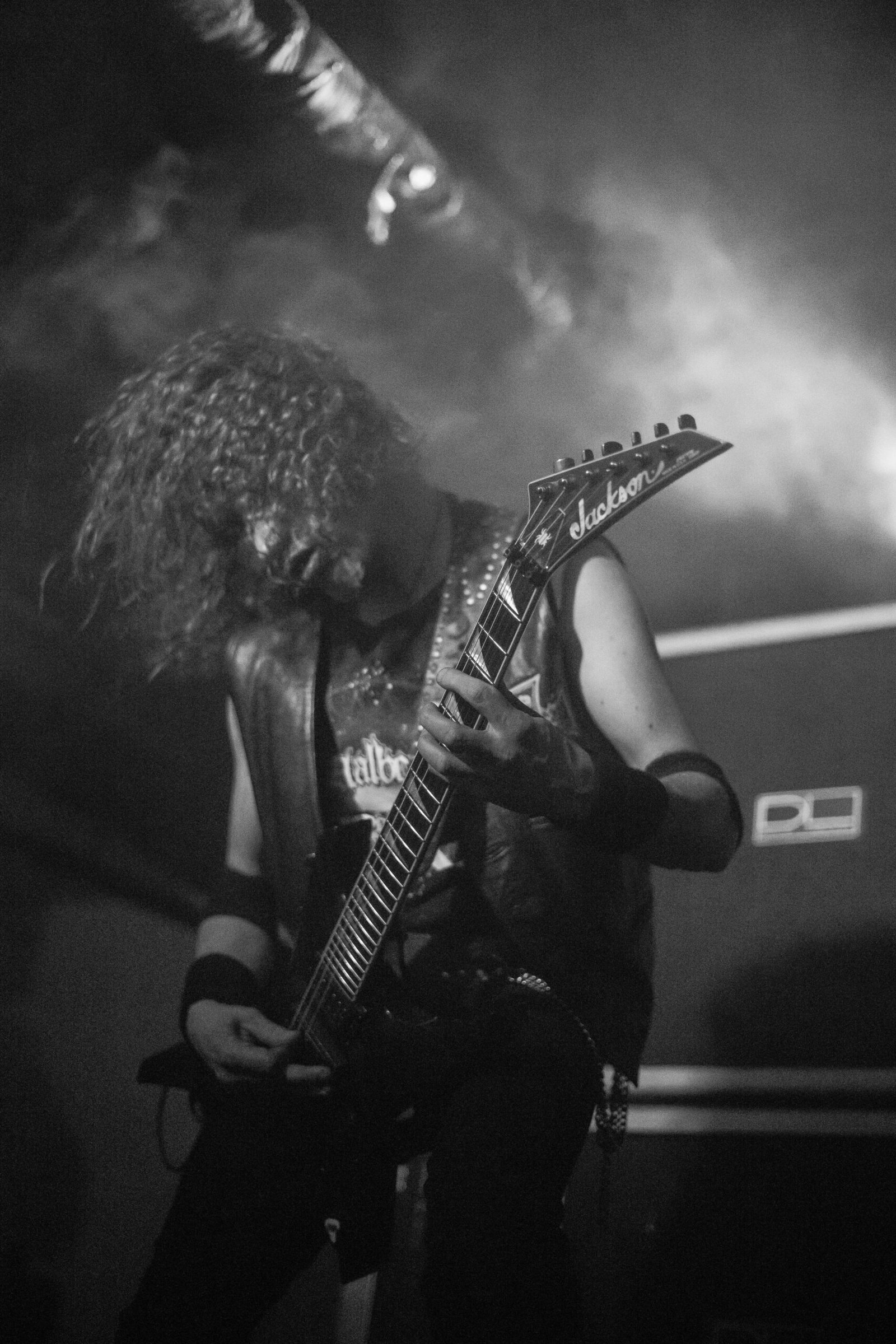
For nearly four decades, Megadeth has been a cornerstone of the thrash metal genre, captivating audiences worldwide with their intricate musicianship and politically charged lyrics. Central to the experience of any Megadeth fan is the band’s live performance, which is meticulously crafted and constantly evolving. The “Megadeth setlist” is more than just a list of songs; it is a journey through the band’s extensive catalog, a testament to their enduring legacy, and a significant factor in their critical and commercial success. This article will explore the anatomy of a Megadeth setlist, delving into the classics, the deep cuts, and the new material that defines their live shows.
The “Megadeth setlist” serves as the primary lens through which fans connect with the band’s storied history. When the lights dim and the opening riff of “Tipping Point” or “The Sick, the Dying… and the Dead!” begins, the audience is immediately locked into the band’s sonic assault. This connection is built on a foundation of “Megadeth tour” staples and rarities. The band is renowned for their ability to deliver both the anthems that have become the soundtrack to a generation of metalheads and the surprises that demonstrate a deep reverence for their own back catalog. A deep dive into recent “Megadeth concert statistics” reveals patterns, fan favorites, and the dynamic nature of a thrash metal show.
Understanding the “Megadeth setlist” is to understand the band’s philosophy of live performance. As one of the “big four” of thrash metal, alongside Metallica, Slayer, and Anthrax, Megadeth’s live shows are a statement. They are a high-speed, high-fidelity display of technical prowess. The setlist is often structured to maintain a relentless energy, featuring a careful balance of speed, groove, and melodic interludes. This meticulous curation ensures that a “Megadeth show” is an unforgettable experience, leaving audiences breathless and craving more. The live environment is where the band truly shines, and the setlist is the script for this theatrical performance.
The Unshakable Pillars: The Megadeth Classics and Most Played Songs
No discussion of a “Megadeth setlist” would be complete without acknowledging the cornerstone tracks that define their live identity. These are the anthems that have been cemented in heavy metal history and are guaranteed to send a crowd into a frenzy. Based on decades of live performance data, certain “most played Megadeth songs” are virtually non-negotiable for any major tour. These songs transcend the era of their release, becoming timeless anthems that bridge generations of fans.
While “Holy Wars… The Punishment Due” is often considered the crowning achievement of Megadeth’s live performances, it is the combination of such epics with more radio-friendly hits that creates a dynamic show. “Symphony of Destruction,” with its instantly recognizable opening riff, and “Peace Sells,” a global metal anthem, are fixtures on the “Megadeth setlist”. Recent tours, such as the 2024 Destroy All Enemies Tour, continue to feature these pillars alongside deeper cuts. The 2024 Boston show featured an encore of “Mechanix” and “Peace Sells” before closing with “Holy Wars,” demonstrating the paramount importance of these tracks. Similarly, the EU/UK Tour 2025 setlist featured “Symphony of Destruction” and “Holy Wars” as the closing one-two punch.
The data from setlist aggregators paints a clear picture of these “most played Megadeth songs.” According to historical data, “Holy Wars… The Punishment Due” has been performed over 1,716 times, while “Peace Sells” has been played a staggering 1,787 times. “Symphony of Destruction” is also a close contender with over 1,640 plays. This massive frequency underscores their importance to the “Megadeth concert” experience. These are the songs that make the live show a spectacle, and they are often saved for the encore to ensure the audience leaves on a high note.
The Evolution of the Live Experience: New Albums and Rare Gems
While the classics are the bedrock, “Megadeth setlist” is far from static. The band consistently integrates newer material into their live shows, showcasing their continued relevance and musical evolution. The release of The Sick, The Dying… And The Dead! in 2022 injected new life into their setlists, with songs like the title track, “We’ll Be Back,” and “Tipping Point” becoming regular features. During the 2026 support slot for Iron Maiden, they even opened with “Tipping Point” from their self-titled farewell album, indicating a commitment to promoting their latest work even in a supporting role.
However, a truly great “Megadeth setlist” also provides surprises. For the die-hard fans, the thrill lies in hearing a deep cut or a rarely played song. For instance, during their 2026 European tour, they debuted “Take No Prisoners” live, a ferocious track from the classic era that is seldom performed. The 2026 shows also featured a controversial but poignant cover of Metallica’s “Ride the Lightning,” a nod to Dave Mustaine’s history with the band. These moments elevate the concert from a simple hits package to a unique event, rewarding fans who have followed the band’s every move.
The “Megadeth setlist” is a living document that reflects the band’s artistic journey. Looking at the EU/UK Tour 2025 setlist, it includes a mix of tracks from Countdown to Extinction, Rust in Peace, and the newer album, creating a comprehensive overview of their career. The variety is a testament to the band’s vast and varied catalog. These setlist variations are crucial for maintaining fan interest over long tours and ensuring that no two “Megadeth shows” are exactly alike, fueling the excitement for each new date.
The Anatomy of a Setlist: What to Expect at a Megadeth Concert
Analyzing recent “Megadeth concert statistics,” a typical headlining set tends to be a high-octane affair lasting around an hour and fifteen minutes to an hour and a half, delivering between 11 and 15 songs per night. The structure is designed to maximize impact. Opening with a high-energy track like “The Sick, the Dying… and the Dead!” or “Hangar 18” is a common tactic, immediately establishing a punishing pace that doesn’t let up. This is followed by a mix of thrash classics and newer material, keeping the energy high while demonstrating the band’s range.
The middle of the set often features the iconic riff-heavy tracks like “Tornado of Souls” and “Sweating Bullets,” allowing Dave Mustaine and his bandmates to showcase their legendary guitar work. The emotional core of the show, however, often lies in the ballad or slower tempo piece, such as “Trust” or “A tout le monde,” which provides a brief respite before the final assault. The encore is then reserved for the biggest hits, with “Peace Sells” and “Holy Wars” almost always being the final two songs, leaving the audience in a state of sheer exhilaration.
The “Megadeth tour” experience is also defined by its technical precision. The band is famous for its refusal to simplify complex arrangements for live performance. The setlist is a showcase of this commitment, with songs like “Tornado of Souls” and “Hangar 18” serving as the ultimate test of musicianship. It is this dedication to their craft that ensures every “Megadeth concert” is not just a show, but a masterclass in thrash metal. The setlist is not just a list; it is a declaration of intent.
Conclusion
The “Megadeth setlist” is far more than a mere sequence of songs; it is a carefully curated narrative of power, precision, and legacy. It bridges the raw aggression of their thrash metal roots with the melodic sophistication of their later work, all while ensuring that the crowd remains in a state of controlled chaos. From the unshakable pillars like “Holy Wars” and “Peace Sells” to the evolution that introduces new anthems like “We’ll Be Back” and surprises like covers and deep cuts, the setlist is the primary vehicle for the band’s live identity. For fans, understanding the setlist is to understand the pulse of a band that has consistently defined metal for generations. It is not just a list of songs to be played, but a blueprint for a legendary evening of metal.
Frequently Asked Questions (FAQ)
1. What is the typical length of a Megadeth setlist?
A typical headlining Megadeth set usually lasts between 1 hour and 15 minutes to 1 hour and 30 minutes, featuring around 11 to 15 songs. This duration can vary depending on the tour and whether they are headlining or supporting another band.
2. What are the most played Megadeth songs live?
According to historical data, the most played Megadeth songs live are “Holy Wars… The Punishment Due,” “Peace Sells,” and “Symphony of Destruction.” These are considered essential staples of any Megadeth concert.
3. Does Megadeth change their setlist often?
Yes, the Megadeth setlist evolves over time to incorporate new album material and surprise fans with deep cuts or rare tracks. While the core hits remain, they frequently rotate other songs, making each tour a unique experience.
4. What songs are usually in a Megadeth setlist in 2025-2026?
Recent setlists from 2025-2026 include songs like “Tipping Point,” “Hangar 18,” “Sweating Bullets,” “Tornado of Souls,” “Symphony of Destruction,” “Peace Sells,” and “Holy Wars… The Punishment Due”. These are often complemented by tracks from their latest album.
5. Are songs like “A tout le monde” and “Trust” still played?
Yes, “Trust” is a regular occurrence in Megadeth setlists and is one of the most played songs from the Cryptic Writings era. “A tout le monde” is also a frequent inclusion, often serving as the slower, more melodic moment in a high-energy show.
From Battlefield to Center Stage
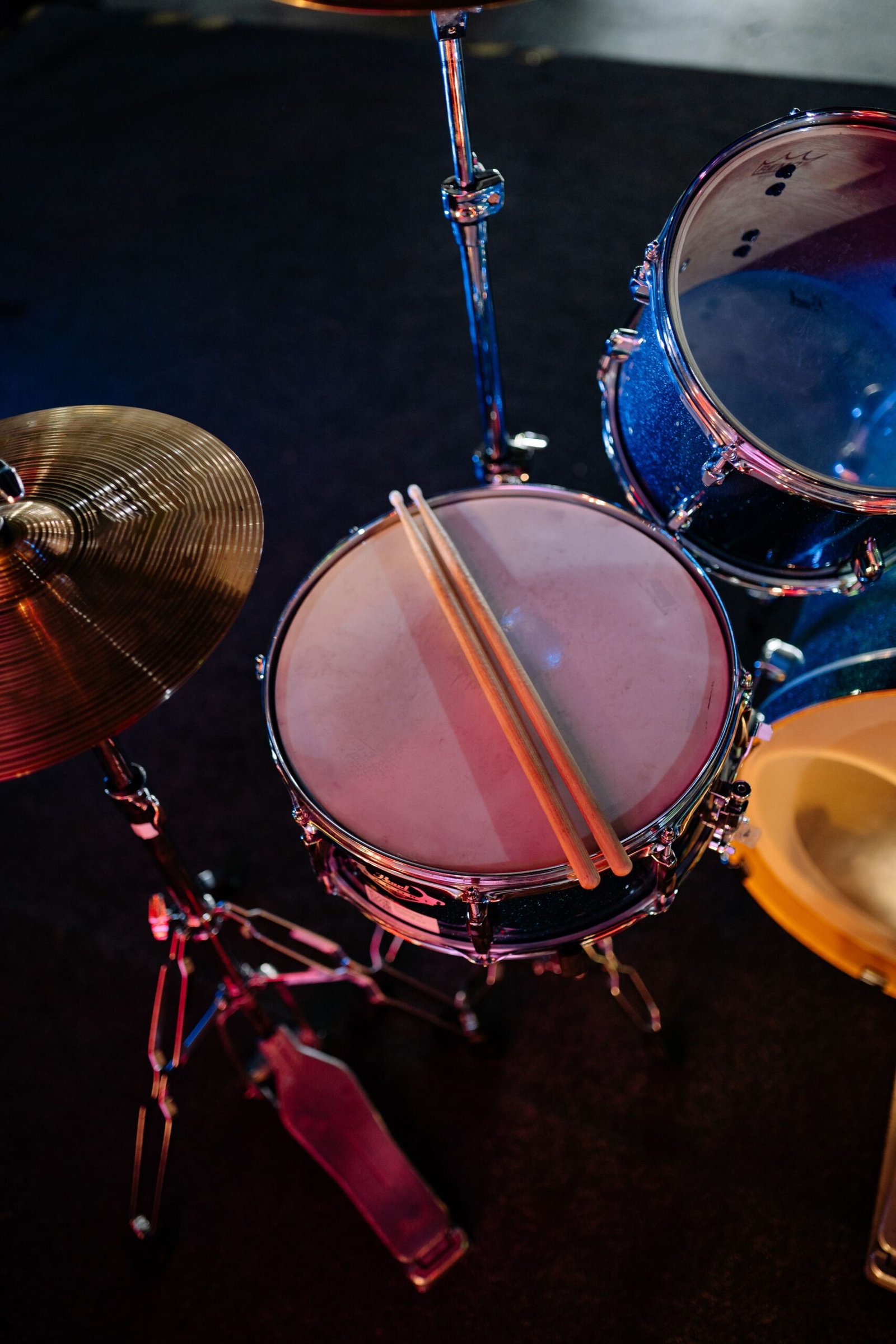
Few instruments possess the instant identity and visceral impact snare snare of the snare drum. It is the voice of the drummer, the rhythmic engine of the drum set, and a cornerstone of musical expression across genres from classical orchestras to heavy metal . The snare drum’s defining characteristic is its sharp, staccato “crack”—a sound produced by the unique vibration of metal wires, known as snares, stretched across the bottom head. This guide delves deep into the world of the snare drum, exploring its rich history, its complex anatomy, the crucial differences in materials and sizes, and how to choose, maintain, and master this essential percussion instrument.
A Journey Through History: The Snare’s Military Origins
The story of the snare drum is a fascinating journey from the battlefield to the recording studio. Its ancestry can be traced back to medieval Europe and the tabor, a small double-headed drum often played alongside a pipe . Early tabors sometimes featured a single gut string stretched across the bottom to create a buzzing sound, a primitive version of the modern snare mechanism. By the 15th century, the instrument had evolved into a cylindrical shape and gained popularity with Swiss mercenary troops, who used the fife and drum for military communication . This military heritage is crucial to understanding the snare drum’s character; as famed drum educator Sanford A. Moeller stated, “it is essentially a military instrument and its true character cannot be brought out with an incorrect method” .
The snare drum’s role was profoundly practical: it was used to communicate orders to soldiers. Different drum patterns signaled everything from wake-up calls (like the famous “Three Camps”) to meal times and curfews . Through the 18th and 19th centuries, the instrument underwent significant changes, including the introduction of screws to tension the snares and a deeper shell to project sound across the battlefield . It was during this period that the rudimental system of drumming, the foundation of snare technique, was formalized. The first written rudiments appeared in Basel, Switzerland, in 1610, and by the 19th century, familiar patterns like the single paradiddle, flam, and double stroke roll were documented in method books . After the American Civil War, veterans brought their snare drums home, integrating them into local folk music, while the instrument simultaneously found a place in European concert halls for its dramatic, martial effects in opera . This dual life—military and musical—forged the snare drum into the versatile, powerful, and expressive instrument it is today.
Anatomy of a Snare Drum
To understand the snare drum, one must understand its parts. Each component plays a critical role in shaping its sound, response, and character.
The Shell: The body of the drum, this is the primary determinant of its fundamental tone. Shells can be made from a variety of woods, metals, or synthetic materials like acrylic, each offering a distinct sonic signature .
The Drumheads: The snare drum has two heads. The batter head is the top, thicker head that is struck by the drummer. The resonant head (or snare-side head) is the thinner, bottom head over which the snares are stretched . Most modern heads are made of Mylar plastic, a material invented for drumheads in 1956 .
The Snares: The namesake of the instrument, these are a set of wires (traditionally made of gut, now commonly metal, plastic, or nylon) stretched across the resonant head . When the batter head is struck, the vibrations cause the snares to buzz against the bottom head, producing the drum’s characteristic crisp, rattling sound . This effect can be engaged or disengaged using a mechanism called a throw-off or strainer .
The Hoops (Rims): These are the metal rings that hold the drumheads in place. The two main types are triple-flanged and die-cast. Triple-flanged hoops are more open and resonant, allowing the drum to “breathe” more, while die-cast hoops are heavier and produce a more focused, controlled sound .
The Lugs & Tension Rods: Lugs are the metal casings attached to the shell, and tension rods are the screws that pass through the hoops and into the lugs . Turning the tension rods tightens or loosens the drumheads, adjusting the pitch and tone of the drum.
Shell Materials and Their Sound: Wood vs. Metal
The material of the shell is arguably the most significant factor in defining a snare drum’s voice . Here is a breakdown of common materials and their tonal characteristics.
Wood Shells: Warmth and Nuance
Wood shells are prized for their warmth, body, and complex, natural resonance .
Maple: The quintessential all-rounder. Maple offers a balanced, warm, and open sound with a wide tuning range. It is a favorite in recording studios and is incredibly versatile across genres .
Birch: Known for its punchy, focused sound with a strong attack. Birch has a slightly tighter low-end than maple and excels in situations where definition and precision are paramount, such as in pop and funk music .
Mahogany & Walnut: These woods produce darker, rounder sounds. Mahogany offers a vintage-leaning warmth with a softer top end, while walnut provides a punchy, powerful sound with strong low-mid presence and controlled highs .
Poplar: A common material in budget-friendly shells, poplar produces a warm, balanced, and controlled sound that blends well without overpowering .
Metal Shells: Projection and Cut
Metal shells are the choice for drummers who need their snare to cut through a loud mix with clarity and power.
Brass: Often considered the “musical” metal, brass produces a warm, rich, and lively sound with a pleasing ring. It is a top choice for genres ranging from rock to jazz due to its complex tonal character .
Steel: The classic rock and metal snare. Steel is bright, cutting, and incredibly loud, with a pronounced ring that projects aggressively. It’s the sound of power and authority, ensuring the backbeat is never missed .
Aluminum: The “studio pro.” Aluminum is drier, more controlled, and has a softer ring compared to steel. It produces a crisp, articulate sound that sits perfectly in a mix, making it a favorite for drummers who value finesse and clarity .
Acrylic and Specialty Shells
Acrylic: These transparent shells are known for being very loud, present, and aggressive. They offer a distinct “hard” sound that is visually striking and great for high-impact performances .
Size Matters: Diameter and Depth
Beyond material, the physical dimensions of the drum—its diameter and depth—greatly influence its voice . The standard and most versatile diameter is 14 inches . While 13-inch and 12-inch snares exist, a 14-inch drum is the default choice for most genres due to its broad tuning range and classic sound.
Depth: The depth of the shell dictates the drum’s body and sensitivity.
Shallow Snares (3″–4.5″): Often called piccolo snares, these drums are known for their fast response, tight, bright attack, and high-pitched crack. They excel in funk, pop, and as a secondary snare for special effects, but lack the low-end body of deeper drums .
Standard Depths (5″–6.5″): This is the “sweet spot” and the most common depth range. A 5-inch to 5.5-inch snare feels crisp, controlled, and highly versatile. A 6-inch to 6.5-inch snare adds more body, weight, and presence without sacrificing too much sensitivity, making it ideal for rock, pop, and recording .
Deep Snares (7″+): Offering a huge, powerful sound with a strong fundamental note, deep snares are favored for big rock backbeats and fat rimshots. They have a heavier feel and can be harder to keep crisp at low volumes .
Essential Snare Drum Maintenance
A snare drum needs regular care to perform at its best. Here are key maintenance tips.
Drumhead Replacement: A worn-out head is the most common cause of a bad snare sound. Replace the batter head at least once a year and the resonant head every few years .
Snare Wire Care: Periodically check snare wires for kinks or bends. A bent wire can be cut off, but you must cut the symmetrical wire on the other side to maintain even tension . Avoid over-tightening the snare wires, which chokes the sound; they should be tightened just enough to be responsive .
Tuning: The “best” tuning is subjective and depends on the desired sound. A common starting point is tuning the batter head to around A above middle C and the snare-side head to about a major second lower . Experimentation is key.
General Care: Wipe down the drum with a soft cloth after playing. Clean hardware with a slightly damp cloth or diluted denatured alcohol for tough grime . Inspect parts for damage, such as bent tension rods or damaged bearing edges, and address issues promptly .
Conclusion
The snare drum is far more than a simple percussion snare snare instrument; it is the defining voice of rhythm in modern music. From its origins on the battlefields of medieval Europe to its central role in a modern drum kit, it has evolved into an instrument of incredible versatility and expression. Understanding the anatomy, materials, and mechanics of the snare drum is the first step in discovering a sound that is uniquely yours. Whether you prefer the warmth of a maple shell, the cut of steel, or the focus of a shallow depth, the journey of finding your perfect snare is a rewarding exploration of tone, technique, and personal style. The snare drum is not just an instrument; it is the heartbeat of the groove.
Frequently Asked Questions (FAQ)
1. What are the “snares” on a snare drum?
The “snares” are the set of metal wires, plastic cables, or gut cords stretched across the bottom head (resonant head) of the drum . When the top head (batter head) is struck, the snares vibrate against the bottom head, creating the drum’s characteristic crisp, buzzing sound .
2. What is the best snare drum size for a beginner?
For a first serious snare drum, a 14-inch diameter is the most versatile and recommended choice . A depth of 5 to 6.5 inches is an excellent all-rounder that works well in most musical styles. It’s also wise to try drums in person to feel and hear the response before buying .
3. How do I stop my snare drum from buzzing?
Snare buzz can be caused by a few factors. First, check that the snare wires are not over-tightened, as this can choke the sound but also cause sympathetic buzz . Sometimes, buzz is caused by other drums or speakers in the room. You can also adjust the tension of the wires via the strainer mechanism to find a sweet spot. Replacing worn-out heads and ensuring the drum is properly tuned can also help.
4. What is the difference between a wooden and a metal snare drum?
Generally, wooden snares (like maple or birch) provide a warmer, more rounded sound with a natural, woody resonance, making them great for studio work and versatile playing . Metal snares (like steel or brass) are brighter, louder, and more cutting, with a sharper attack that helps the drum project through loud music on stage .
5. How often should I change my snare drumheads?
It is recommended to change the batter (top) head at least once a year if the drum is used regularly . The resonant (bottom) head can be changed every few years. However, if the heads show signs of heavy wear, dents, or if they won’t hold a tune, they should be replaced immediately.
6. Why is the snare drum so important in music?
The snare drum is the voice of the drummer, defining the snap, crack, and character of a performance . It provides the critical backbeat in most popular music, driving the rhythm and energy of a song. Its unique sound is instantly recognizable and essential across a vast range of musical genres .


 Lifestyle4 months ago
How Long is 50 Feet? Real-World Comparisons, Conversions, and Everyday Examples
- Tech4 months ago
Orgo Slang: Meaning, Origins, Examples, and Why Students Use It
- Entertainment4 months ago
Funny Mexican People Jokes: Laughing With Culture, Not At It
- Game4 months ago
The Mabinogi Lazy Patch: The Ultimate Guide to Faster Updates, Gameplay Changes, and Safe Usage
- Tech4 months ago
Deshoptec com: A Complete Guide to Understanding This Emerging Online Platform
- news3 months ago
The Ultimate Guide to “LP Meaning”: Unlocking Its Diverse Definitions Across Industries
- life3 months ago
The Ultimate Airport Outfit Guide : How to Look Stylish, Feel Comfortable, and Travel Smart
- Fashion4 months ago
The Life and Legacy of Charity Hallett: The Woman Behind P.T. Barnum