
Lifestyle
The Chery Tiggo 7: A Comprehensive Review of the Affordable Family SUV

Introduction
The automotive landscape is witnessing a significant shift as Chinese manufacturers establish a strong presence in global markets. Among these newcomers, Chery stands out as one of China’s oldest and largest carmakers, now making its mark in the United Kingdom with its own branding. The Chery Tiggo 7 represents a compelling proposition for family buyers: a mid-size SUV that offers exceptional value for money without compromising on space, technology, or equipment. Positioned to compete with established rivals like the Nissan Qashqai, Kia Sportage, and Ford Kuga, the Tiggo 7 arrives with aggressive pricing that undercuts many competitors by thousands of pounds. Available in both pure petrol and plug-in hybrid (Super Hybrid) configurations, the Tiggo 7 aims to deliver the practicality and features families demand, backed by Chery’s extensive global experience and generous warranty coverage. This comprehensive review explores every aspect of the Chery Tiggo 7, from its driving dynamics and interior quality to running costs and ownership proposition, helping you determine whether this value-focused SUV deserves a place on your driveway.
Design and Exterior Styling
The Chery Tiggo 7 presents a familiar yet contemporary SUV silhouette that blends in comfortably with its European competitors. Measuring 4.55 metres in length, the Tiggo 7 sits squarely in the mid-size SUV segment, comparable to the Ford Kuga, Vauxhall Grandland, and Volkswagen Tiguan. The exterior design adopts what can be described as a generic but inoffensive approach—neither revolutionary nor particularly memorable, yet far from unattractive. The front fascia features a prominent grille reminiscent of Audi’s styling language, flanked by slender headlights that contribute to a sharp, squared-off appearance. Large black cutouts add an aggressive stance, while the overall effect is undeniably European in character.
Moving along the sides, the Tiggo 7 benefits from well-placed creases and substantial side skirts that inject definition and character into the profile. The rear end features a horizontal light bar stretching across the boot, curving around the edges of the vehicle, complemented by two sizable vertical slits and generous cladding that enhances the rugged SUV aesthetic. The Chery name proudly spelled across the rear continues the current automotive trend of branding the entire rear fascia. While the design may not turn heads or generate excitement, it successfully avoids the visual missteps that have plagued some Chinese market entrants, ensuring the Tiggo 7 will appeal to buyers seeking a conventional, unpretentious appearance.
Interior Quality and Comfort
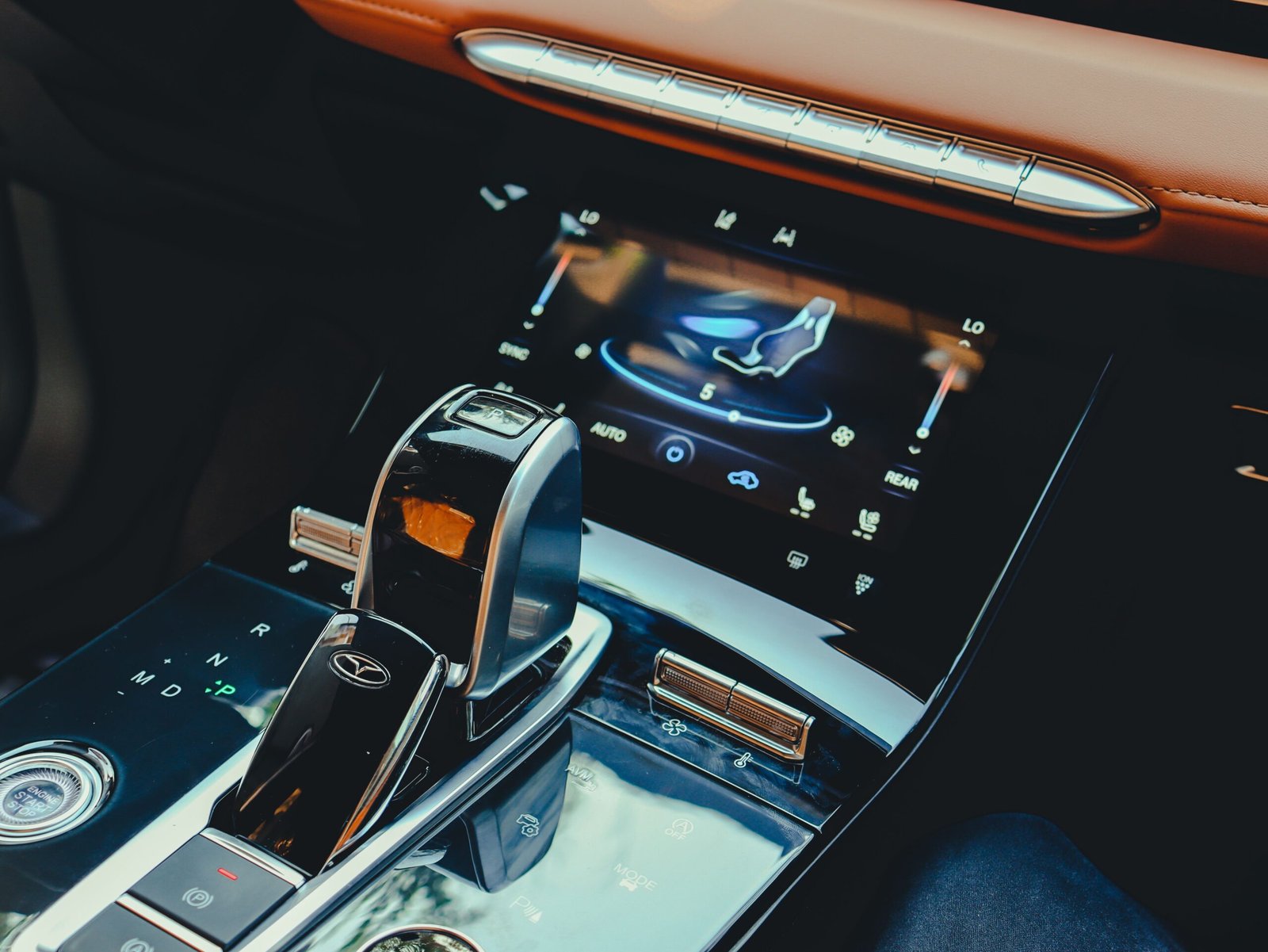
One of the most impressive aspects of the Chery Tiggo 7 is its interior quality, which significantly exceeds expectations given the vehicle’s budget-friendly price point. Step inside and you’re greeted by an environment that feels considerably more upmarket than the price tag suggests. Soft-touch materials abound throughout the cabin, with no conspicuous hard, scratchy plastics to be found. The curved fascia features a smooth, carbon-fibre-mimicking finish, while the overall fit and finish are on par with the MG HS and other value-oriented competitors. This attention to interior quality represents a deliberate strategy by Chery to deliver a premium feel at an affordable price.
The driving position is excellent, with a high seating position providing commanding visibility over the road ahead. The standard-fit, electrically adjustable driver’s seat makes finding the perfect position straightforward, while the steering wheel adjusts for reach and rake. The Tiggo 7 also benefits from substantial front and rear passenger space, with even tall adults finding generous head and leg room in both rows. The flat rear floor (lacking a central transmission tunnel) means three adults can sit across the rear without undue discomfort, although the middle seat is slightly elevated. However, the sloping roofline does marginally reduce rear headroom, and the rear seat only offers a 60:40 split fold, whereas some rivals provide more versatile 40:20:40 arrangements.
Technology and Infotainment
The Chery Tiggo 7 comes generously equipped with technology that rivals vehicles costing significantly more. The standard fitment includes twin 12.3-inch digital displays—one serving as the instrument cluster and the other as the infotainment screen. Both feature high-definition graphics and are responsive to touch inputs, though the instrument display could benefit from larger fonts, particularly for cruise control speed readouts. The infotainment system supports Apple CarPlay and Android Auto connectivity, ensuring seamless smartphone integration, though the user interface requires some familiarisation due to numerous menus and submenus.
Commendably, Chery has retained physical controls for essential functions, with touch-sensitive icons for climate control on the dashboard and steering wheel-mounted buttons for various systems. A touch-sensitive shortcuts bar provides quick access to heating and fan controls, while swipe-down gestures from the top of the screen allow rapid deactivation of features like lane-keeping assist. The voice control assistant can manage many functions, though its reliability is somewhat inconsistent. Entry-level Aspire models include dual-zone climate control, keyless entry, and a reversing camera, while Summit trims add heated and ventilated front seats, an eight-speaker Sony sound system, a panoramic sunroof, a powered tailgate, and a sophisticated 540-degree camera system that can make the car appear invisible on screen.
Powertrains and Performance
The Chery Tiggo 7 is available with two distinct powertrain options, each offering a very different driving experience. The pure petrol model utilises a 1.6-litre turbocharged four-cylinder engine producing 145bhp, paired with a seven-speed dual-clutch automatic transmission. This combination delivers acceptable performance, with a 0-62mph time of 9.4 seconds and a top speed of 112mph. However, the petrol model suffers from some dynamic shortcomings: the throttle response is overly eager, making smooth town driving challenging, and the engine becomes vocal when pushed. The dual-clutch gearbox can also feel hesitant at times, contributing to a less refined overall experience.
In contrast, the Super Hybrid plug-in hybrid (PHEV) variant represents a significant step forward. Combining a 1.5-litre four-cylinder petrol engine with a 201bhp electric motor fed by an 18.4kWh battery, the Super Hybrid delivers 204bhp and sprints from 0-62mph in 8.5 seconds. More importantly, it offers a quasi-electric driving experience, with the electric motor handling most of the work and the petrol engine primarily serving as a generator to maintain battery charge. This arrangement results in smooth, refined progress, particularly in urban environments. The transition between electric and petrol power is seamless, making the Super Hybrid considerably more composed than its pure-petrol sibling. The PHEV also benefits from regenerative braking and adjustable energy recovery levels via the touchscreen, though the brake pedal feel can be somewhat inconsistent.
Ride and Handling
The Chery Tiggo 7 has been set up for comfort rather than dynamic excitement, which will suit the majority of family buyers. The suspension is tuned to absorb road imperfections reasonably well, and body roll is controlled to an acceptable degree for an SUV. However, the ride quality is somewhat mixed: while the petrol version rides more smoothly than the equivalent MG HS, both models can be unsettled by potholes and poor road surfaces, with a noticeable harshness permeating the cabin. Road noise is also more apparent than in more expensive rivals, though the standard double-glazed windows help mitigate wind noise at motorway speeds.
The steering is one of the Tiggo 7’s weaker areas, lacking feel and precision regardless of whether you choose the petrol or Super Hybrid variant. In the petrol model, the steering is light but lifeless, making it difficult to judge the required lock through corners. The Super Hybrid’s steering is even lighter and springier, further diminishing driver engagement. While the Tiggo 7 handles safely and predictably—understeering progressively when pushed—it offers no dynamic sparkle or driving enjoyment. Those seeking an engaging SUV experience would do better to look at established European or Japanese rivals, but for buyers prioritising comfort and ease of use over driving excitement, the Tiggo 7’s handling characteristics will be perfectly adequate.
Fuel Efficiency and Running Costs
The running cost picture for the Chery Tiggo 7 varies dramatically between the two powertrain options. The pure petrol model returns official fuel economy of 40.3mpg, though real-world testing suggests closer to 27-37mpg depending on driving conditions. Its CO2 emissions of 159g/km place it in a relatively high first-year road tax bracket of £1,360, though subsequent years revert to the standard £195 rate (subject to future increases). The petrol Tiggo 7 also falls into insurance group 31, which is higher than many more expensive rivals, potentially offsetting some of the purchase price savings.
The Super Hybrid offers significantly better efficiency, with official fuel economy of 256.8mpg and CO2 emissions of just 23g/km, reflecting the benefit of its 56-mile electric-only range. Real-world testing has shown the Super Hybrid can achieve approximately 47mpg with depleted batteries and around 4.1L/100km in mixed driving—excellent figures for a vehicle of this size. The PHEV’s 30-80 per cent battery charge takes just 20 minutes using a 40kW DC fast charger, or around 2.5-3 hours using a 6.6kW home wallbox. The Super Hybrid benefits from a low Benefit In Kind tax rate of nine per cent for company car drivers, and its first-year road tax is just £110. However, insurance is slightly higher in group 35, reflecting the more complex powertrain.
Practicality and Boot Space
The Chery Tiggo 7 scores well on interior passenger space, offering generous accommodation for front and rear occupants. However, the boot capacity is a notable weakness, with the pure petrol model offering 565 litres and the Super Hybrid providing just 484 litres—smaller than most family SUV rivals. By comparison, the Kia Sportage offers 591 litres, the Hyundai Tucson 620 litres, and the MG HS 507 litres. This reduction in the hybrid is partly due to the battery placement and underfloor spare wheel storage, though the presence of a full-size spare wheel is a rarity in modern cars and a welcome feature for many buyers.
The load area features a high opening and no lip, making it easier to load heavy items, though the height is limited with the parcel shelf in place. The rear seats fold in a 60:40 split, providing up to 1,396 litres of cargo space in the petrol model and 1,305 litres in the Super Hybrid. However, unlike some rivals with 40:20:40 split-folding rear seats and fore-aft adjustment, the Tiggo 7’s load area lacks versatility. Interior storage is reasonable, with a cooled wireless charging pad, a cooled cubby within the armrest, and a large area beneath the centre console, though door bins and the glovebox are relatively small.
Safety and Driver Assistance
The Chery Tiggo 7 comes comprehensively equipped with safety features, including eight airbags and a full suite of driver assistance systems. Standard equipment includes lane departure prevention, emergency braking, front collision warnings, adaptive cruise control, and traffic sign recognition. The adaptive cruise control includes a feature that automatically increases the gap between your vehicle and lorries when overtaking, contributing to safer motorway driving. The Summit trim adds a 360-degree camera system with an innovative view through the chassis, further enhancing low-speed manoeuvrability.
However, the driver assistance systems are not without their frustrations. The constant bongs and warnings can become intrusive, with the driver monitoring system repeatedly warning you if you look away from the road—a frequent occurrence given the touchscreen reliance for many functions. Speed sign recognition can misinterpret limits from off-ramps, and the lane-keeping assist can be overly aggressive on narrow roads. While these systems can be deactivated, some reset when the vehicle restarts, and the volume of alerts can only be adjusted rather than muted. Chery appears to have learned from earlier issues with its Omoda sub-brand, making the systems less intrusive than before, but they still require acclimatisation and can be distracting during the learning curve.
Warranty and Reliability
Chery offers an industry-leading seven-year/100,000-mile warranty on the Tiggo 7, with the battery in the hybrid system receiving its own eight-year/100,000-mile cover. This comprehensive warranty provides significant peace of mind, particularly given Chery’s status as a new entrant to the UK market. The Chery group has existed for nearly 30 years and has sold over five million cars worldwide, lending credibility to its reliability claims. However, the brand’s UK reliability record remains unproven, and the extent of the dealership network to support warranty claims is still developing.
Depreciation predictions suggest the Tiggo 7 will retain around 50 per cent of its original value after three years and 36,000 miles, which compares favourably with the Nissan Qashqai (48 per cent) but falls short of the Dacia Bigster (56 per cent). This represents reasonable residual value for a new brand, though actual depreciation will depend on Chery’s success in establishing a reputation and dealership network in the UK market. The Tiggo 7’s low purchase price and generous warranty should help maintain demand in the used market, potentially supporting stronger residual values than some established competitors.
Value Proposition and Pricing
The Chery Tiggo 7′s pricing represents its most compelling attribute, significantly undercutting established rivals while offering comparable specification and space. The pure petrol model starts from £24,995, making it one of the cheapest family SUVs on the market, while the Super Hybrid starts at £29,995—positioning it as the UK’s most affordable plug-in hybrid SUV. For context, the comparable Ford Kuga PHEV costs approximately £10,000 more, while the Volkswagen Tiguan PHEV is another £3,000 pricier again. Summit trim adds £3,000 to either model, providing significant additional equipment including heated and ventilated front seats, Sony sound system, and panoramic sunroof.
The value proposition extends beyond the initial purchase price. All versions fall below the £40,000 threshold for the expensive car supplement on road tax, and the Super Hybrid’s low benefit-in-kind tax rate makes it particularly attractive for company car drivers. Finance deals can be remarkably affordable, with launch offers from dealer groups offering the petrol model for £315 per month after a minimal deposit. While the Tiggo 7 may lack the dynamic polish and prestige of more expensive alternatives, its combination of low purchase price, generous equipment, and competitive running costs (particularly for the PHEV) makes it a compelling proposition for budget-conscious family buyers.
Conclusion
The Chery Tiggo 7 represents a significant milestone in the UK automotive landscape, demonstrating that Chinese manufacturers can deliver competitive, value-focused products that genuinely challenge established rivals. While it falls short of the dynamic polish and premium feel offered by more expensive European and Japanese alternatives, the Tiggo 7 excels in areas that matter most to family buyers: space, equipment, and affordability. The Super Hybrid variant, in particular, offers an impressive combination of low running costs, generous electric-only range, and smooth performance that makes it arguably the standout choice in the range.
However, the Tiggo 7 is not without its compromises. The pure petrol model’s thirsty engine, unrefined gearbox, and lack of dynamic sparkle make it difficult to recommend over similarly priced alternatives like the Dacia Bigster. The Super Hybrid addresses many of these shortcomings but introduces its own trade-offs, including smaller boot capacity and inconsistent brake feel. The intrusive driver assistance systems and some interior ergonomic quirks further diminish the overall ownership experience.
Ultimately, the Chery Tiggo 7 will appeal to buyers who prioritise value for money above all else—those seeking a spacious, well-equipped family SUV without the premium price tag. For these buyers, the Tiggo 7 delivers exceptional value, particularly when considering the generous warranty, low running costs of the PHEV variant, and the sheer quantity of standard equipment. While it may not satisfy driving enthusiasts or those seeking the ultimate refinement, the Tiggo 7 offers a compelling, practical, and affordable solution for families entering the mid-size SUV market. As Chery continues to establish its presence and develop its products, the Tiggo 7 represents a promising foundation for the brand’s UK ambitions and a viable alternative to established competitors.
Frequently Asked Questions (FAQs)
Q1: How much does the Chery Tiggo 7 cost in the UK?
The Chery Tiggo 7 starts from £24,995 for the pure petrol version and £29,995 for the Super Hybrid plug-in hybrid (PHEV). Both models are available in Aspire and Summit trims, with the latter adding £3,000 to the price. The Tiggo 7 is one of the cheapest family SUVs available, significantly undercutting rivals like the Ford Kuga and Volkswagen Tiguan.
Q2: What is the electric range of the Chery Tiggo 7 Super Hybrid?
The Chery Tiggo 7 Super Hybrid offers a claimed electric-only range of up to 56 miles on a full charge. Real-world testing suggests around 45-50 miles is achievable in mixed driving conditions. The PHEV can charge from 30-80 per cent in 20 minutes using a 40kW DC fast charger, or in around 2.5-3 hours using a 6.6kW home wallbox.
Q3: Is the Chery Tiggo 7 reliable?
Chery offers a seven-year/100,000-mile warranty on the Tiggo 7, with the battery receiving eight-year/100,000-mile cover. The company has been manufacturing vehicles for nearly 30 years and has sold over five million cars worldwide. However, the brand’s UK reliability record is yet to be established as it’s a new entrant to the market.
Q4: How does the Chery Tiggo 7 compare to rivals like the Kia Sportage or Nissan Qashqai?
The Tiggo 7 offers similar space and equipment to rivals like the Sportage and Qashqai but at a significantly lower price—often thousands of pounds cheaper. However, it falls short in driving dynamics, with lifeless steering and less refined ride quality. The interior quality is surprisingly good for the price, but boot space is smaller than many competitors, particularly in the Super Hybrid variant.
Q5: What is the fuel economy of the Chery Tiggo 7?
The pure petrol model returns official fuel economy of 40.3mpg, though real-world figures are closer to 27-37mpg. The Super Hybrid PHEV offers official fuel economy of 256.8mpg, with real-world consumption around 47mpg with depleted batteries and as low as 4.1L/100km in mixed driving when regularly charged. The PHEV’s 56-mile electric range can significantly reduce running costs for daily commuting.
Q6: What equipment does the Chery Tiggo 7 come with?
Entry-level Aspire models feature twin 12.3-inch digital displays, Apple CarPlay and Android Auto, dual-zone climate control, keyless entry, a reversing camera, and an electrically adjustable driver’s seat. Summit trims add heated and ventilated front seats, Sony eight-speaker sound system, panoramic sunroof, powered tailgate, and 540-degree camera system.
Q7: Is the Chery Tiggo 7 available as a hybrid?
Yes, the Chery Tiggo 7 is available as a Super Hybrid plug-in hybrid (PHEV) model. It combines a 1.5-litre petrol engine with an 18.4kWh battery and 201bhp electric motor, providing 56 miles of electric-only range and a total range of up to 750 miles. This variant is smoother and more responsive than the pure petrol model and offers significantly lower running costs.
Q8: How practical is the Chery Tiggo 7 for families?
The Tiggo 7 offers generous passenger space, with ample head and leg room for front and rear occupants—even three adults can sit in the back comfortably. However, boot space is 565 litres in the petrol model and 484 litres in the Super Hybrid, which is smaller than most rivals. The presence of a full-size spare wheel is a rare and welcome feature in modern cars.
Lifestyle
Ciulioneros: The Complete Guide to Culture, Craftsmanship, and Sustainable Heritage in 2026

Lifestyle
The Quiet Strength of Amy Corenswet: A Story of Privacy, Purpose, and Professional Excellence

Introduction
In an era defined by relentless self-promotion and the constant glare of social media, the decision to lead a life of deliberate privacy has become a radical act. This is the story of Amy Corenswet. While the world may know her surname because of her brother, David Corenswet, the rising star who has captured global attention, Amy’s narrative is entirely her own . She is not an actress seeking the spotlight, but a highly accomplished professional who has carved a distinguished career in the legal world, specializing in the intricate fields of estate planning and private client services . Her journey from a creative and academically rigorous household in Philadelphia to becoming a trusted attorney represents a compelling case study in forging a life defined not by association, but by personal conviction and professional integrity. This article delves deep into the life of Amy Corenswet, exploring her family background, her demanding career, and the steadfast principles that guide her choice to remain out of the public eye.
The Foundations of a Strong Character
To understand Amy Corenswet, one must first look to the environment that shaped her. Born and raised in Philadelphia, Pennsylvania, Amy grew up in a household that uniquely valued both the arts and the law . Her father, John Corenswet, led a fascinating dual career as a stage actor and a lawyer, while her mother, Caroline Packard, was also a practicing attorney . This blend of creative expression and rigorous intellectual discipline provided a rich foundation for both Amy and her younger brother, David. The Corenswet household was one where storytelling and structured thinking were not seen as opposites but as complementary forces, an environment that fostered curiosity and emotional intelligence . This upbringing instilled in Amy a profound appreciation for personal growth, intellectual achievement, and a life lived with substance rather than external validation. While her brother gravitated toward the performing arts, a path that would ultimately lead him to the role of Superman in the modern DC film universe, Amy was drawn to the structure and analytical challenge of the legal profession .
A Journey of Academic Excellence
Amy Corenswet‘s educational path is a testament to her dedication, intelligence, and unwavering focus. She attended Friends’ Central School, a prestigious institution known for its commitment to academic excellence and ethical values, before continuing her studies at Vassar College, one of the nation’s top liberal arts colleges . There, she earned a Bachelor of Arts degree in Economics, a course of study that honed her analytical skills and provided a deep understanding of complex financial systems—a background that would prove invaluable in her future legal career . Her intellectual curiosity and drive led her to the University of Pennsylvania Carey Law School, one of the most respected law schools in the United States . Earning her Juris Doctor from Penn Law, Amy gained a sophisticated understanding of legal theory, ethics, and practice. Her education was not just a credential but a deep engagement with the principles of justice and professional responsibility. Before fully committing to her career in law, she gained valuable experience that broadened her perspective, including work as a research assistant at the World Bank, where she contributed to research on economic development and global policy . This international experience further sharpened her critical thinking skills and her understanding of large-scale financial and policy issues.
A Career of Purpose in Private Client Law
Upon completing her law degree, Amy Corenswet chose to focus her career on a field where she could make a tangible difference in people’s lives: private client law. She is a practicing attorney, specializing in trusts, estates, and wealth management for high-net-worth individuals and families . This specialization is far more than a job; it is a deeply responsible role that requires a combination of sharp legal acumen, financial understanding, and profound empathy. Her work involves helping clients navigate some of the most significant and personal decisions of their lives: protecting their assets, planning for future generations, and ensuring their legacies are managed according to their wishes. According to professional profiles, Amy’s expertise lies in drafting wills and trusts, structuring estate plans for tax efficiency, and advising on long-term financial strategies . She has worked with several respected law firms, including Morgan, Lewis & Bockius LLP, building a reputation for her attention to detail, client confidentiality, and professional integrity . In this demanding field, her success is measured not by public acclaim but by the trust her clients place in her and the peace of mind she provides. Her career reflects a consistent choice to build a life of substance and stability rather than a pursuit of fame.
The Sister of a Star: Navigating Family and Fame
The public’s interest in Amy Corenswet inevitably stems from her connection to her brother, David Corenswet. As his star has risen, taking on lead roles in major productions like “The Politician,” “Hollywood,” and the highly anticipated 2025 “Superman” film, curiosity about his family has grown . Despite this, Amy has consistently chosen to remain separate from her brother’s Hollywood world. She does not seek the spotlight, attends no red carpets, and has no public social media presence . This is not a rejection of her brother or his success; rather, it is a powerful statement of personal autonomy. David has spoken positively about his sister, describing her as a supportive and grounding influence in his life . Their relationship appears to be one of mutual respect and affection, but Amy has drawn a clear boundary between her private life and his public career. She supports him as a sibling but refuses to be defined by his fame. This choice demonstrates a profound self-awareness and a commitment to living a life on her own terms. It is a quiet strength that stands in stark contrast to the celebrity culture that surrounds her brother, showing that family loyalty and personal privacy can coexist harmoniously.
The Power of a Private Life
The defining characteristic of Amy Corenswet‘s public image is its near-total absence. This is not a coincidence but a clear, conscious, and ongoing choice. By avoiding media appearances, interviews, and online visibility, Amy has successfully protected her emotional well-being and personal relationships from external scrutiny . In a world obsessed with the lives of those connected to celebrities, her ability to maintain such a low profile is both rare and remarkable. Her decision is frequently misinterpreted as shyness or secrecy, but in reality, it is a deliberate and empowering act of boundary-setting . She has opted for the peace of a normal life over the chaotic attention of celebrity. This approach allows her to focus entirely on her career, her family, and her personal fulfillment without the noise and pressure of public opinion. For Amy Corenswet, privacy is not a limitation but a form of freedom. It is the foundation upon which she has built a life of purpose and self-determination. By refusing to participate in the culture of celebrity, she offers a powerful counter-narrative, proving that a life of professional success and personal contentment can be fully realized away from the public eye. Her quiet strength is an inspiration, reminding us that it is possible to be connected to the world of fame while remaining utterly, and triumphantly, oneself.
Conclusion
Amy Corenswet’s story is far more than a footnote in a celebrity biography. It is a compelling narrative about identity, purpose, and the courage to choose one’s own path. She is a testament to the fact that success can be measured by professional achievement and personal integrity rather than public recognition. Through her demanding career as a private client attorney and her steadfast commitment to her own privacy, Amy has built a life of quiet strength and profound substance. Her journey offers a valuable lesson for anyone navigating the modern world: that true success often lies not in seeking the spotlight but in finding meaning and purpose in a life lived intentionally. While her brother David may be soaring through the skies as the Man of Steel, Amy Corenswet remains firmly grounded, a testament to the power of a life well-lived on one’s own terms.
Frequently Asked Questions (FAQ)
Who is Amy Corenswet?
Amy Corenswet is a professional attorney based in the United States, known for her work in private client services, specifically in the areas of trusts, estates, and wealth management. She is also recognized as the sister of the rising actor David Corenswet .
What is Amy Corenswet’s profession?
Amy Corenswet is a practicing lawyer. She has specialized in estate planning and private client law, helping individuals and families manage their assets, plan for future generations, and navigate complex legal and financial matters .
Is Amy Corenswet an actress?
No. This is a common misconception likely due to her brother, David Corenswet’s, high-profile acting career. Amy has not pursued a career in the entertainment industry and has deliberately remained separate from Hollywood .
How is Amy Corenswet related to David Corenswet?
Amy Corenswet is the older sister of actor David Corenswet . They were raised in Philadelphia, Pennsylvania, in a family that valued both the arts and law.
Where did Amy Corenswet go to school?
Amy Corenswet is a highly educated professional. She earned a Bachelor of Arts degree in Economics from Vassar College and later obtained her Juris Doctor from the University of Pennsylvania Carey Law School .
Why does Amy Corenswet stay out of the spotlight?
Amy Corenswet has intentionally chosen to lead a private life, focusing on her professional career and personal well-being rather than public attention. She values her privacy and has successfully maintained a low profile despite her brother’s fame, demonstrating a strong sense of boundaries and personal conviction .
Lifestyle
Paul Mauro Wiki: A Deep Dive into the Life and Career of the Former NYPD Inspector and Fox News Contributor

Introduction
In the landscape of American law enforcement and legal commentary, few figures possess the unique blend of frontline experience and academic achievement found in Paul J. Mauro. For those searching for a “Paul Mauro wiki,” the story is one of dedication, intellect, and a seamless transition from the high-stakes world of New York City counterterrorism to the national stage of media analysis. Paul Mauro’s career is a testament to the evolving nature of public safety in the 21st century, reflecting a journey from walking the beat as a patrol officer to commanding critical intelligence operations in the aftermath of 9/11. Today, he stands as a respected attorney and a prominent Fox News contributor, offering millions of viewers authoritative insights into criminal justice, terrorism, and legal affairs. This comprehensive article serves as an authoritative resource, exploring every facet of his life, from his New York roots to his current role as a key voice in national security discourse.
Early Life and the Formative Years of Paul Mauro
Paul J. Mauro’s story begins in the vibrant and diverse environment of New York City, where he was raised in a large Italian-American family . This upbringing was steeped in the values of faith, discipline, and a profound sense of community, elements that would later define his professional ethos. Growing up in a bustling urban environment, Mauro witnessed firsthand the challenges and complexities of city life, which sparked an early interest in law and policing. His attendance at Catholic school further instilled a strong moral compass, teaching him about justice, responsibility, and the importance of serving others . These foundational years were instrumental in shaping his character, fostering a resilience and awareness of social challenges that would prove invaluable in his future roles within the NYPD . The sense of loyalty and support inherent in his Italian roots became a recurring theme throughout his life, influencing both his personal relationships and his professional approach to leadership .
The Academic Foundation: Education of Paul Mauro
Paul Mauro’s impressive career is undergirded by a diverse and extensive academic background, showcasing a lifelong commitment to learning and intellectual growth . He began his higher education by earning a bachelor’s degree in accounting and psychology from Elizabethtown University . This unique combination of disciplines provided him with a balanced perspective, equipping him with both analytical skills and an understanding of human behavior—assets that would prove crucial in both investigative and leadership roles. He furthered his studies by obtaining a master’s in education from Kutztown University, initially suggesting a path toward teaching, though his career ultimately steered him toward law enforcement and, eventually, academia as an adjunct professor .
Demonstrating an ambition for high-level public service and policy-making, Mauro attended Harvard University’s prestigious Kennedy School of Government, where he earned a Master of Public Administration . This pivotal step provided him with the strategic and administrative expertise required to navigate the complex world of intelligence and counterterrorism at the highest levels. His academic journey culminated with a Juris Doctor (J.D.) from Fordham Law School, cementing his legal expertise and enabling his transition from a police officer to an attorney . This combination of degrees—from accounting and psychology to public policy and law—makes him exceptionally well-rounded, allowing him to view complex issues from multiple angles, a skill he frequently demonstrates in his media appearances.
Career in the NYPD: From Patrol to Counterterrorism
Paul Mauro’s NYPD career, which spanned over two decades, serves as the cornerstone of his reputation as a security expert. He joined the force in 1987 as a patrol officer, beginning a remarkable ascent through the ranks to the level of inspector . His rise was a testament to his competence and leadership, culminating in command of several of the department’s most critical bureaus. Mauro served as the Commanding Officer of the NYPD’s Legal Bureau and as the Executive Officer of the Intelligence Operations and Analysis Bureau, placing him at the nexus of legal strategy and intelligence gathering . His leadership roles involved managing complex issues related to intelligence collection, mass data usage, and emerging technologies like facial recognition, giving him a uniquely futuristic perspective on modern policing.
Mauro was a central figure during some of the most challenging times in modern American history, including the 1993 World Trade Center bombing and the devastating attacks of September 11, 2001 . In the aftermath of the 9/11 attacks, he was deployed to Ground Zero, an experience that would profoundly impact his worldview and career trajectory . Following the attacks, he played a pivotal role in reshaping the NYPD’s counterterrorism operations, working closely with a vast network of domestic and international agencies, including the CIA, DHS, Interpol, and Europol . He briefed members of the U.S. Congress and other top officials, sharing critical intelligence and security assessments. His involvement in cases utilizing New York State’s counter-terrorism statutes and RICO investigations further cemented his reputation as a leading expert in combating complex criminal enterprises and terror networks .
Paul Mauro’s Career After the NYPD
After retiring from the NYPD in 2010 after 23 years of service, Paul Mauro seamlessly transitioned into a new chapter that combined his legal expertise with his law enforcement experience . He joined DeMarco Law PLLC, where he focused his private practice on areas such as internal and external investigations, anti-piracy enforcement, electronic surveillance, and compliance with emerging technology regulations . This shift allowed him to apply his deep understanding of surveillance and data collection from a law enforcement perspective to the legal and corporate world.
Simultaneously, Mauro embraced an academic and writing career. He became an adjunct professor at John Jay College of Criminal Justice, sharing his real-world experiences with the next generation of law enforcement professionals . He authored the book The NYPD’s War on Terror: The True Story of the 9/11 Intelligence Revolution (2010), which offered an insider’s account of the intelligence challenges and lessons learned from post-9/11 policing . He also became a regular columnist for the New York Post, contributing sharp legal and security analysis to a broad audience . This period established him as a thought leader who could articulate complex security issues for the public, setting the stage for his next major role.
Paul Mauro as a Fox News Contributor and Media Personality
In 2024, Paul Mauro became a contributor for Fox News Media, providing legal and criminal justice analysis across the network’s programming . His rise to a national media figure was a natural progression, as his blend of frontline NYPD experience, legal expertise, and academic credentials made him an invaluable asset for dissecting breaking news stories. He appears regularly on shows across Fox News Channel and Fox Business Network, such as America’s Newsroom, The Ingraham Angle, and Hannity, offering nuanced perspectives on everything from terrorist attacks to complex criminal trials .
Mauro’s media presence is characterized by his ability to break down complex investigative and legal scenarios for the public. For example, following the 2025 terror attack in New Orleans, Mauro provided detailed analysis on the differences between ISIS-directed and ISIS-inspired events, cautioning against drawing premature conclusions based on coincidences . His commentary often reflects his decades of experience, highlighting nuances that lay observers might miss. In one notable segment, he praised a Muslim bystander who disarmed a shooter during an anti-Semitic attack in Australia, emphasizing the importance of recognizing the heroism of individuals regardless of background and commending the bystander’s restraint in a life-or-death situation . He also uses his platform, including his Substack newsletter The Ops Desk and social media, to offer in-depth commentary on policing, intelligence, and criminal justice issues .
Personal Life of Paul Mauro
Despite his high-profile public career, Paul Mauro keeps his personal life relatively private, though what is known underscores the importance of family and faith. He is married to his wife, Linda, and together they have two children, a son named Nicolás and a daughter named Bianca . His strong Italian-American and Catholic roots remain central to his identity and are often reflected in his commentary on loyalty, discipline, and community support. While his professional life has been defined by immense pressure and public scrutiny, his family life provides a foundation of stability and traditional values. This balance between a demanding public career and a grounded private life is a testament to his character and the support system that has helped him navigate the challenges of his work at the highest levels of law enforcement and media .
Conclusion
In a world often dominated by superficial analysis, Paul Mauro stands out as a figure of genuine substance and authority. The narrative that emerges from searching “Paul Mauro wiki” is one of a deeply accomplished professional whose career has been dedicated to public safety and justice. From his early days as a patrol officer in the NYPD to commanding counterterrorism operations in the wake of 9/11, he has accumulated a wealth of experience that is both rare and invaluable. His transition into law, academia, and media has allowed him to become a key interpreter of the complex security landscape for the American public. As a Fox News contributor, his voice carries the weight of decades of hands-on experience, offering clarity and insight on the nation’s most pressing criminal and national security issues. Whether he is analyzing a terrorist attack, providing legal commentary, or praising acts of heroism, Paul Mauro remains a critical and respected voice, demonstrating a steadfast commitment to the values he has upheld throughout his distinguished career.
Frequently Asked Questions (FAQ)
1. What is Paul Mauro’s age?
Based on his career start in 1987, Paul Mauro is estimated to be around 60 years old as of 2026 .
2. Who is Paul Mauro’s wife?
Paul Mauro is married to his wife, Linda . Together, they have two children, a son named Nicolás and a daughter named Bianca .
3. Does Paul Mauro have a Wikipedia page?
Currently, Paul Mauro does not have an official Wikipedia page . However, his biography and career details are well-documented across various reputable sources, including his Fox News profile and biography websites.
4. What is Paul Mauro’s educational background?
Paul Mauro holds a Bachelor’s degree in accounting and psychology from Elizabethtown University, a Master’s in Education from Kutztown University, a Master of Public Administration from Harvard’s Kennedy School of Government, and a Juris Doctor (J.D.) from Fordham Law School .
5. What is Paul Mauro known for?
Paul Mauro is a former NYPD inspector and commanding officer of the Counterterrorism and Intelligence Bureaus . He is currently an attorney, a Fox News contributor, and the author of The NYPD’s War on Terror .


 Lifestyle4 months ago
How Long is 50 Feet? Real-World Comparisons, Conversions, and Everyday Examples
- Tech4 months ago
Orgo Slang: Meaning, Origins, Examples, and Why Students Use It
- Entertainment4 months ago
Funny Mexican People Jokes: Laughing With Culture, Not At It
- Game4 months ago
The Mabinogi Lazy Patch: The Ultimate Guide to Faster Updates, Gameplay Changes, and Safe Usage
- Tech4 months ago
Deshoptec com: A Complete Guide to Understanding This Emerging Online Platform
- news3 months ago
The Ultimate Guide to “LP Meaning”: Unlocking Its Diverse Definitions Across Industries
- life3 months ago
The Ultimate Airport Outfit Guide : How to Look Stylish, Feel Comfortable, and Travel Smart
- Fashion4 months ago
The Life and Legacy of Charity Hallett: The Woman Behind P.T. Barnum