
trivial
Isla Holbox, Mexico: The Ultimate 2026 Travel Guide to a Caribbean Paradise



Introduction
Imagine a place where ancient Mayan ruins perch dramatically on a 12-meter limestone cliff, overlooking the turquoise waters of the Caribbean Sea. This is Tulum, a destination that has captured the imagination of travelers worldwide and become synonymous with bohemian luxury, eco-conscious living, and profound historical significance. But for all its fame on social media and travel blogs, a surprisingly common question remains: where is Tulum, exactly?
Nestled on the eastern coast of Mexico’s Yucatán Peninsula, Tulum is far more than just a picturesque beach town. It is a living tapestry where the whispers of an ancient civilization blend seamlessly with modern wellness retreats and world-class gastronomy. For the first-time visitor, understanding Tulum’s geography is the key to unlocking everything this incredible region has to offer, from its famous archaeological sites and hidden cenotes to its vibrant town and exclusive beach clubs . This comprehensive guide will not only pinpoint Tulum’s location but also provide all the essential information you need to plan the perfect journey to this Mexican Caribbean gem.
Article Content
Unpacking the Location: Where is Tulum in Mexico?
To truly understand Tulum, one must first look at a map of the Mexican Caribbean. Tulum is a coastal town situated in the state of Quintana Roo, the southeasternmost state in Mexico that borders the Caribbean Sea . It is a key part of the world-famous Riviera Maya, a stunning stretch of coastline that begins just south of Cancún and extends all the way to the Sian Ka’an Biosphere Reserve .
Tulum’s precise location is approximately 81 miles (131 kilometers) south of the bustling resort city of Cancún and about 40 miles (65 kilometers) south of the popular destination of Playa del Carmen . This places it conveniently within reach of major international airports and travel hubs, yet far enough south to offer a distinctly more laid-back and authentic atmosphere compared to its northern neighbors. The area is defined by its unique geography: the dense Yucatán jungle on one side, which once protected the ancient city, and the warm, clear waters of the Caribbean Sea on the other, which provided it with vital trade routes and the stunning coastal views it is famous for today .
The Three Faces of Tulum: Town, Beach, and Ruins
When people ask “where is Tulum,” they are often referring to three distinct, yet interconnected, zones that make up the Tulum experience. Understanding these zones is crucial for planning your stay and getting around.
Tulum Town (Pueblo / El Centro): This is the vibrant, bustling heart of the local community. Located inland along the main highway, Tulum Town is where you will find authentic Mexican life, a burgeoning culinary scene, local markets, colorful street art, and a more budget-friendly range of accommodations . It is compact and easily walkable, offering a glimpse into the daily rhythm of the region beyond the tourist resorts .
Tulum Beach (Zona Hotelera): Stretching along a narrow strip of coastline, this is the area that has made Tulum famous worldwide. It is a single, sandy road lined with high-end boutique hotels, stylish beach clubs, open-air restaurants, and yoga retreats . This is the epicenter of the boho-chic lifestyle, where you can enjoy the world-class Playa Paraiso and other stunning beaches with their powdery white sand and calm, azure waters .
The Tulum Archaeological Zone: Perched on the 12-meter-high cliffs at the northern end of the beach road, this is the site of the ancient Mayan walled city. This is where history and nature converge, offering breathtaking panoramic views of the Caribbean Sea from the top of El Castillo and other temples . It is one of the best-preserved coastal Maya sites and a testament to the region’s rich pre-Columbian history .
A Journey Through Time: The History of Tulum
The story of Tulum is as captivating as its scenery. The city, originally known as Zamá, meaning “City of Dawn” in the Mayan language, was named for its eastern orientation, where the sun first touches the Yucatán Peninsula each morning . The name “Tulum” is a colonial-era term derived from the Yucatec Mayan word for “wall,” a reference to the massive defensive structure that protected the city on its landward side .
Tulum was a significant Mesoamerican center that flourished between the 11th and 16th centuries CE, reaching its peak between 1200 and 1450 CE . It was a major port for the inland city of Coba, serving as a critical hub for both land and sea trade routes. The Maya traded goods such as jade, obsidian, cacao, salt, and textiles, with artifacts found at the site indicating contact with regions from Central Mexico to Central America . The city’s location, with a small natural cove and a break in the barrier reef, made it an ideal landing spot for seafaring canoes .
The architecture at Tulum displays a blend of Mayan and Toltec influences and is characterized by its relatively small scale compared to other sites like Chichén Itzá . The most famous structures include El Castillo, the largest pyramid that also served as a lighthouse for incoming canoes; the Temple of the Frescoes, which was used as an observatory; and the Temple of the Descending God, dedicated to a prominent deity associated with the planet Venus . Although the Spanish first spotted Tulum in 1518 during Juan de Grijalva’s expedition, the Maya continued to inhabit the city for another 70 years after the Spanish conquest. The city was ultimately abandoned by the end of the 16th century, leaving behind a remarkably well-preserved archaeological treasure that continues to fascinate historians and travelers today .
How to Get to Tulum: Your Travel Options
Accessing Tulum has become significantly easier in recent years, offering travelers a variety of options depending on their budget, travel style, and point of origin.
By Air: The most convenient way for international and domestic travelers to reach Tulum is by flying. The brand-new Tulum International Airport (TQO) is now fully operational, with direct flights arriving from major cities across Mexico, the United States (such as Miami, Los Angeles, and New York), and Europe (including Madrid and Frankfurt) . This modern airport is just a short 30-minute drive from the town center. Alternatively, many travelers still fly into the larger Cancún International Airport (CUN), which is located about two hours north. Cancún has a wider range of international flight options and can be a good choice for those combining a visit to Tulum with other parts of the Riviera Maya.
By Land: For those already in the region, traveling to Tulum by land is very straightforward. The ADO bus company is the primary and most reliable bus operator in Quintana Roo, offering frequent, comfortable, and affordable first-class bus services from Cancún (approximately 2-hour journey), Playa del Carmen (approximately 1-hour journey), and Valladolid (approximately 2-hour journey) . Tickets for the ADO bus typically range from $10 to $15 USD, making it a fantastic option for budget-conscious travelers. Another modern and scenic option is the new Tren Maya, a passenger train that now connects Tulum to other key destinations in the Yucatán Peninsula, including Cancún, Playa del Carmen, and Mérida, with tickets starting as low as $5 USD .
The Magic of Tulum: What Makes it Special?
Beyond its location and ruins, Tulum’s magic lies in its unique combination of natural wonders and modern culture. A major draw is the cenotes, natural freshwater sinkholes created by the collapse of limestone bedrock, which were considered sacred by the Maya. Exploring these crystal-clear, underground swimming holes is a quintessential Tulum experience. The Gran Cenote is one of the most popular, perfect for snorkeling and swimming, while others like Dos Ojos offer unparalleled cave diving opportunities .
Tulum is also a global epicenter for wellness, spirituality, and the boho-chic lifestyle. It has attracted creatives, artists, and wellness seekers for decades, which is reflected in its numerous design-forward hotels, world-class yoga retreats, and sustainable, eco-conscious ethos . The culinary scene is another huge draw, ranging from humble street-side taquerías like Taquería Honorio to acclaimed fine-dining destinations like Hartwood, which champions a zero-carbon footprint and locally-sourced ingredients .
Practical Tips for Your Tulum Adventure
To make the most of your trip to Tulum, it’s helpful to know a few local tips:
Getting Around: While Tulum Town is walkable, the beach road is not. The best way to explore is by renting a bicycle, which allows you to navigate the flat roads at your own pace. Colectivos (shared vans) and taxis are also available, but always agree on a fare with taxi drivers before you start your journey .
Stay Safe and Respectful: It is highly recommended to carry cash (Mexican pesos) as many local spots, food stalls, and taxis do not accept credit cards . Protect the delicate ecosystem by using reef-safe sunscreen or wearing rash guards when swimming in cenotes. Remember to dress respectfully when visiting the archaeological sites, covering knees and shoulders .
Conclusion
To answer the question, “where is Tulum?” is to uncover a destination of extraordinary depth and beauty. Its location on the Caribbean coast of the Yucatán Peninsula, within the Mexican state of Quintana Roo, places it at the very heart of the Riviera Maya, a region renowned for its stunning natural landscapes and rich cultural heritage . But Tulum is more than just a point on a map; it is a place where the ancient and the modern exist in harmony. It is the allure of the cliffside ruins overlooking the turquoise sea, the refreshing plunge into a sacred cenote, the vibrant energy of the town, and the serene luxury of the beachfront.
Whether you are drawn by history, the quest for wellness, or the simple desire to relax on some of the world’s most beautiful beaches, Tulum offers an unforgettable experience. With its new international airport and improved transportation links, this once-secluded haven is now more accessible than ever, waiting to be explored by all who seek its unique magic.
Frequently Asked Questions (FAQ)
1. Where exactly is Tulum located?
Tulum is located on the eastern coast of the Yucatán Peninsula in the Mexican state of Quintana Roo. It is part of the Riviera Maya, situated about 81 miles (131 km) south of Cancún and 40 miles (65 km) south of Playa del Carmen .
2. What is the best way to get to Tulum from Cancún?
The most reliable and budget-friendly way is to take an ADO bus, which offers frequent services from Cancún to Tulum with a journey time of about two hours . You can also rent a car or arrange a private shuttle.
3. Can you walk from Tulum Town to the beach?
No, Tulum Town and the Beach Zone (Zona Hotelera) are not within walking distance of each other, especially in the heat. You can get between them by bicycle, taxi, or colectivo .
4. What is the historical significance of Tulum?
Tulum was a major Mayan trading port, reaching its peak between the 13th and 15th centuries. It is the site of a well-preserved walled city, whose name means ‘wall’ in Mayan. The city was a key hub for sea and land trade routes and was abandoned by the end of the 16th century .
5. Is there an airport in Tulum?
Yes, the new Tulum International Airport (TQO) is now operational with direct flights from several cities in the US, Mexico, and Europe. It is located about a 30-minute drive from the town center .
Introduction
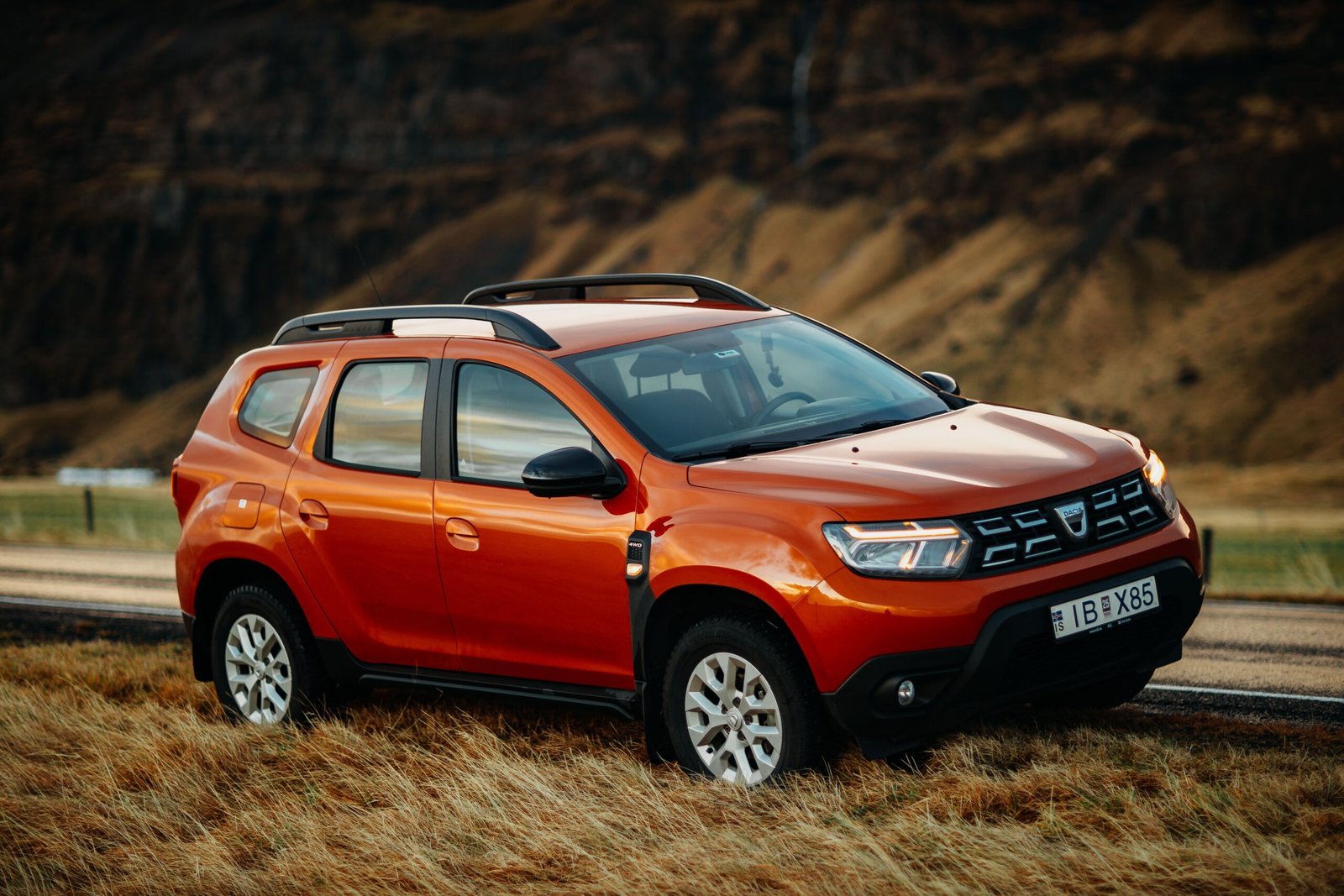
The automotive industry has long promised affordable electric vehicles for the masses, yet the reality has often fallen short of expectations. Enter the Dacia Spring, a vehicle that has single-handedly rewritten the rulebook on accessible electric mobility. Since its European launch, this compact EV has captured the imagination of budget-conscious drivers seeking an entry point into the electric revolution without the premium price tag typically associated with zero-emission motoring. Over 179,000 units have already found homes across Europe, making it the second-best-selling vehicle in its segment .
But the Dacia Spring is more than just a cheap electric car. It represents a fundamental shift in how we think about urban mobility, proving that electric vehicles can be practical, affordable, and genuinely fit for purpose when designed with specific use cases in mind. The 2024 mid-life update has brought significant improvements, transforming what was once a somewhat rough-edged proposition into a far more polished and capable urban runabout .
For British motorists, the Spring arrives at a crucial juncture. With the government’s Electric Car Grant scheme evolving and the demand for affordable EVs growing, Dacia has positioned the Spring as the answer to a question many have been asking: how can I go electric without breaking the bank? The revised powertrain options, improved interior quality, and clever packaging all contribute to making this one of the most compelling budget EVs on the market .
This comprehensive guide explores every facet of the Dacia Spring, from its technical specifications and real-world performance to the practicalities of ownership and the inevitable compromises that come with its class-leading price point. Whether you’re a city dweller seeking a second car or a first-time EV buyer looking for an affordable entry point, this article will provide you with all the information you need to make an informed decision about whether the Spring deserves a place on your driveway.
Design and Exterior Styling: Rugged Charm in a Compact Package
The Dacia Spring cuts a distinctive figure on the road, blending city car practicality with subtle crossover cues that give it a robust, modern appearance. At 3,734mm in length and just 1,579mm in width, this is a vehicle designed to navigate congested urban environments with ease, yet its visual presence manages to suggest something more substantial than its dimensions would imply . The chunky wheel arches and slightly elevated ride height provide a sense of purpose that sets it apart from traditional city cars, while the unpainted plastic cladding around the wheel arches and lower bumpers serves a practical purpose beyond aesthetics.
Dacia has cleverly positioned this rugged styling as a feature rather than a compromise. The unpainted surfaces are designed to better cope with the inevitable scrapes and dents of city parking, allowing owners to replace or repair individual sections rather than facing costly bodywork bills . This pragmatic approach to design philosophy runs throughout the vehicle and reflects Dacia’s understanding of how its customers will actually use the Spring.
The subtle updates introduced in the 2024 facelift are primarily aerodynamic improvements rather than dramatic visual changes. New fairings at the front, sides, and rear reduce turbulence under the vehicle, while a revised spoiler limits air disturbance around the tailgate. These refinements contribute to the Spring’s efficiency without compromising its characteristic appearance . The rear design features thin Y-shaped lights connected by a matt black plastic panel, creating a distinctive lighting signature that’s immediately recognisable.
Powertrain and Performance: A Tale of Two Motors
One of the most significant developments in the Dacia Spring story is the revised powertrain offering introduced in late 2025, which has transformed the vehicle’s on-road capabilities. Previously, the Spring was offered with 45hp and 65hp motor options that, frankly, struggled to keep pace with modern traffic beyond urban environments. The new range introduces far more competitive 70hp and 100hp electric motors, a change that has fundamentally altered the driving experience .
The entry-level 70hp version now dispatches the 0-62mph sprint in 10.3 seconds, a substantial improvement over the glacial 26.2 seconds required by the old 45hp motor. However, it’s the 100hp Extreme variant that truly transforms the Spring’s character, achieving the same benchmark in just 6.9 seconds . This represents a remarkable improvement in real-world drivability, making motorway merging and overtaking far less intimidating propositions.
The performance upgrade is partly enabled by the Spring’s featherlight kerb weight of just 984kg, which is exceptionally low for an electric vehicle . This lightness contributes not only to the improved acceleration figures but also to the car’s efficiency and agility. The instant torque delivery characteristic of electric motors, combined with the reduced weight, makes the 100hp version feel genuinely sprightly around town.
Crucially, Dacia has also addressed the handling deficiencies that plagued earlier versions. The introduction of an anti-roll bar as standard equipment has significantly improved cornering stability, while a reinforced central chassis section has increased structural rigidity and optimised weight distribution . The braking system has also been enhanced to cope with the extra power, providing greater confidence when slowing from higher speeds.
Battery and Range: Realistic Expectations for Urban Life
The Dacia Spring features a 24.3kWh lithium iron phosphate (LFP) battery, a chemistry that offers several advantages over traditional lithium-ion packs . LFP batteries are less expensive to produce, offer longer cycle life, and provide improved thermal safety, making them particularly well-suited to the Spring’s affordable positioning. This is the first Renault Group vehicle to utilise this battery chemistry, demonstrating Dacia’s commitment to cost-effective innovation .
The official WLTP driving range stands at 140 miles, though real-world results vary significantly based on driving conditions. In urban settings, where the Spring is most at home, achieving well over 100 miles between charges is entirely realistic. One test achieved an impressive 7.4 miles per kilowatt-hour in favourable conditions, suggesting that under optimal circumstances, the Spring could exceed its official range . However, motorway driving takes a significant toll, with range dropping to approximately 60-90 miles depending on conditions .
The charging capabilities have seen modest improvement with the updated model. DC rapid charging now peaks at 40kW on Extreme models, up from the previous 30kW. This means a 20% to 80% charge can be completed in approximately 29 minutes . For home charging, the standard 7kW AC on-board charger will replenish the battery from 20% to 100% in around 3 hours and 20 minutes, making overnight charging a practical proposition .
One of the Spring’s most appealing features from a charging perspective is its compatibility with domestic three-pin sockets. A full charge from a standard UK plug takes approximately 10 hours and 11 minutes, which may be sufficient for many users who don’t have access to dedicated wallbox charging . This flexibility is crucial for apartment dwellers or those without off-street parking.
Interior and Comfort: Function Over Luxury
Step inside the Dacia Spring, and you’re greeted by an interior that unapologetically prioritises function over luxury. This is a cabin designed to be practical, durable, and straightforward to use rather than to impress with premium materials or cutting-edge design . The hard plastics used throughout the cabin won’t win any awards for tactile quality, but they are robust, easy to clean, and entirely fit for purpose given the vehicle’s price point.
The updated model has brought significant improvements to the interior environment. All models now feature a 7-inch digital instrument cluster, while higher-specification trims gain a 10-inch infotainment screen that includes wireless Apple CarPlay and Android Auto connectivity . The system is refreshingly straightforward to use, with large buttons and clear menus that avoid the complexity that plagues many modern infotainment systems. Dacia has also added useful YouClip accessory mounting points throughout the cabin, allowing owners to attach phone holders, cup holders, or storage pouches at key points .
The driving position is slightly elevated, providing good forward visibility, though the seats themselves are somewhat flat and lack height adjustment on lower-spec models . The steering wheel now offers rake adjustment, though reach adjustment is still absent, which may make it difficult for some drivers to find their ideal position. The chunky gear selector is intuitive to operate, with just Drive, Neutral, and Reverse settings, while the manual handbrake adds to the deliberately unpretentious feel of the cabin.
Practicality and Space: Surprising Boot in a Compact Package
Despite its diminutive exterior dimensions, the Dacia Spring offers surprisingly generous boot space. The 308-litre capacity is class-leading, exceeding that of the previous-generation Ford Fiesta and providing genuine practical utility for a vehicle of this size . The boot is deep and reasonably long, making it capable of accommodating shopping, pushchairs, or luggage for a weekend away.
The rear seats, however, are best considered for occasional use or smaller passengers. Legroom is compromised to the point where taller adults will find themselves pressed against the front seat backs, and the Spring is strictly a four-seater rather than a five-seater . The rear seat folds down in one piece to expand cargo capacity to approximately 1,000 litres, though the lack of split-folding functionality does limit versatility .
Interior storage is generally good, with large door bins, a useful shelf above the glovebox, and various compartments scattered throughout the cabin. The optional frunk (front trunk) provides additional storage for charging cables, helping to keep the main cabin uncluttered . The YouClip accessory system adds further storage flexibility, allowing owners to customise the cabin to their specific needs.
Safety and Security: The Elephant in the Room
Perhaps the most contentious aspect of the Dacia Spring is its safety performance. The vehicle received a one-star Euro NCAP rating in 2021, with particularly concerning scores of 49% for adult occupant protection and just 39% for vulnerable road users . Dacia has stated that the facelifted model won’t be retested until 2027, leaving potential buyers to make their own assessment of the Spring’s safety credentials .
It’s important to note that the Spring does comply with all relevant EU safety regulations and comes equipped with mandatory driver assistance systems including lane-keeping assist, autonomous emergency braking, and speed limit recognition . However, some testers have questioned the effectiveness of these systems, suggesting they may be fitted more for regulatory compliance than genuine safety utility .
Dacia’s position is that its low weight and small dimensions contribute to the Spring’s modest safety performance, and that the vehicle is primarily designed for urban use where accident speeds are typically lower . However, for potential buyers planning to use the Spring on faster roads or with family members, the safety rating represents a significant consideration that merits careful thought.
Trim Levels and Equipment: Understanding Your Options
The UK Spring range is offered in two primary trim levels: Expression and Extreme . The entry-level Expression specification provides the essentials including a 7-inch digital instrument cluster, manual air conditioning, rear parking sensors, cruise control, and steering wheel-mounted radio controls . This version is powered by the 70hp motor and represents the most affordable entry point into Spring ownership.
The top-spec Extreme trim adds a range of desirable enhancements including the 100hp motor, a 10-inch infotainment screen with wireless Apple CarPlay and Android Auto, copper-coloured interior and exterior detailing, power door mirrors, electric rear windows, and front parking sensors . Additionally, the Extreme model includes Vehicle-to-Load (V2L) capability, allowing owners to power external electrical devices from the car’s battery – a genuinely useful feature for camping trips or emergency situations .
Pricing is one of the Spring’s strongest selling points. With Dacia offering its own grant to match the now-discontinued Electric Car Grant, the Expression model can be had for approximately £12,000, while the Extreme version is available for around £13,000 . This positions the Spring as one of the most affordable new cars of any kind available in the UK, let alone among electric vehicles.
Running Costs and Ownership: The Economics of Electric Minimalism
The Dacia Spring‘s appeal extends beyond its purchase price to encompass exceptionally low running costs. The vehicle’s light weight and modest battery size combine to deliver impressive efficiency, with WLTP figures suggesting 4.3 miles per kilowatt-hour . In real-world urban driving, achieving efficiency figures of 5-7 miles per kilowatt-hour is possible, making the Spring remarkably cheap to run .
Insurance costs should also be modest, reflecting the vehicle’s low value and modest performance. Dacia’s Zen warranty offers up to 7 years of cover provided regular servicing is maintained at a Dacia franchise, backed by three years or 60,000 miles of roadside assistance . Servicing costs are kept low by the simplicity of the electric drivetrain and the absence of many complex systems found in more expensive vehicles.
For those charging at home, the economics are particularly compelling. With an overnight electricity tariff of around 7p per kilowatt-hour, a full charge would cost less than £2, making the Spring genuinely transformative in terms of running costs compared to conventional petrol vehicles . Even for those relying on public charging, the small battery size means top-ups are quick and relatively inexpensive.
Conclusion
The Dacia Spring represents something genuinely important in the automotive landscape: a fully electric vehicle that is both affordable and practical for its intended purpose. This is not a car that tries to be everything to everyone, but rather one that understands its mission and executes it with remarkable clarity. For urban and suburban dwellers seeking a second car for commuting, school runs, and local errands, the Spring offers an almost uniquely compelling proposition.
The recent powertrain upgrades have transformed the driving experience, eliminating the performance deficiencies that previously limited the Spring’s appeal. The 100hp motor provides genuinely adequate performance for all but the most demanding scenarios, while the improved handling and braking inspire far greater confidence than earlier versions . The inclusion of LFP battery technology represents a forward-thinking choice that should provide excellent longevity and thermal safety .
However, the Spring is not without its compromises. The one-star Euro NCAP safety rating is difficult to ignore, particularly for those who may be carrying children or planning to venture beyond urban environments. The firm ride and budget tyres detract from refinement, while the cramped rear seating limits versatility for those regularly carrying passengers . These are not deal-breakers for the Spring’s target audience, but they do require careful consideration.
For the right buyer, the Dacia Spring is quite simply transformative. It demonstrates that electric mobility need not be prohibitively expensive, and that practical, affordable EVs can exist without government subsidies. In a market where the average new car price continues to climb, the Spring stands as a defiant statement that motoring can still be affordable, practical, and fit for purpose.
Frequently Asked Questions
What is the real-world driving range of the Dacia Spring?
The Dacia Spring‘s official WLTP range is 140 miles, but real-world performance varies significantly based on driving conditions. In urban and suburban environments, achieving 100-120 miles between charges is realistic, while motorway driving reduces range to approximately 60-90 miles depending on conditions . The light weight and efficient motor help maximise range, but the small battery means careful planning is required for longer journeys.
How long does it take to charge a Dacia Spring?
Charging times depend on the power source used. With a 7kW home wallbox, a 20-100% charge takes approximately 3 hours and 20 minutes. Using a standard domestic three-pin socket extends this to around 10 hours and 11 minutes. DC rapid charging on Extreme models can achieve 20-80% in about 29 minutes, offering reasonable flexibility for those who need to top up away from home .
Is the Dacia Spring safe?
The Dacia Spring received a one-star Euro NCAP safety rating in 2021, with concerning scores for adult occupant protection (49%) and vulnerable road users (39%) . The vehicle does comply with all EU safety regulations and includes mandatory driver assistance systems, but the safety performance remains a significant consideration for potential buyers. Dacia has stated the facelifted model won’t be retested until 2027 .
What is the Dacia Spring price in the UK?
With Dacia’s own grant contribution, pricing starts at approximately £12,000 for the entry-level Expression model and around £13,000 for the top-spec Extreme version . This makes the Spring one of the most affordable new cars of any kind available in the UK, representing exceptional value in the electric vehicle market.
What are the main competitors to the Dacia Spring?
The Leapmotor T03 is the Spring’s most direct competitor, offering similar pricing but with more power and equipment, though it falls short on practicality and style . The Citroën e-C3 and Fiat Grande Panda are more expensive alternatives, while used EVs like the Nissan Leaf and Vauxhall Corsa-e offer greater space and performance at similar price points to a pre-registered Spring .


 Lifestyle2 months ago
How Long is 50 Feet? Real-World Comparisons, Conversions, and Everyday Examples
- Tech2 months ago
Orgo Slang: Meaning, Origins, Examples, and Why Students Use It
- Entertainment2 months ago
Funny Mexican People Jokes: Laughing With Culture, Not At It
- Game2 months ago
The Mabinogi Lazy Patch: The Ultimate Guide to Faster Updates, Gameplay Changes, and Safe Usage
- Lifestyle2 months ago
Selena Green Vargas: The Internet Mystery That Refuses to Fade Away
- Tech2 months ago
Incestflox Unveiled: A Comprehensive Guide to the Controversial Digital Phenomenon
- Fashion2 months ago
The Life and Legacy of Charity Hallett: The Woman Behind P.T. Barnum
- Tech2 months ago
Deshoptec com: A Complete Guide to Understanding This Emerging Online Platform