
Food
Best Callos a la Madrileña Near Me: How to Find an Authentic Spanish Classic

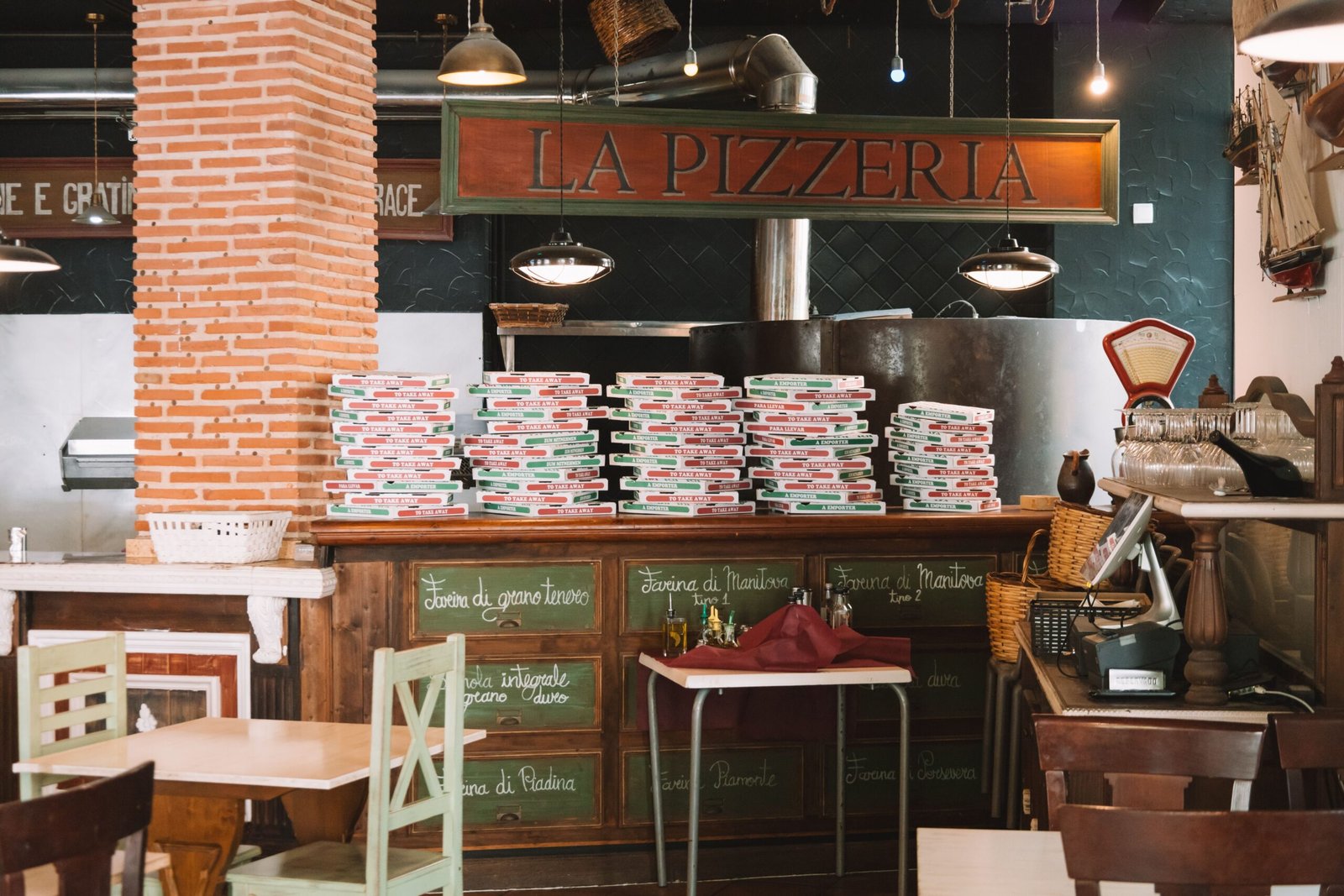
Searching for the best Callos a la Madrileña near me is a wonderful way to discover one of the most traditional and satisfying dishes associated with Madrid and Spanish cuisine. Callos a la Madrileña is a rich, slow-cooked stew traditionally prepared with beef tripe and often combined with ingredients such as chorizo, morcilla, ham, spices, paprika, and a deeply flavored broth or sauce. The dish has a long history as a hearty meal designed to transform humble ingredients into something warming, flavorful, and memorable. Today, people searching for the best Callos a la Madrileña near me may be looking for an authentic Spanish restaurant, a family-owned establishment, a specialty tapas restaurant, or a local chef who prepares traditional Madrid-style food using time-tested cooking techniques. Because this dish requires careful preparation and long cooking times, finding a truly excellent version can turn an ordinary meal into an authentic culinary experience.
The popularity of searches such as best Callos a la Madrileña near me also reflects the growing interest in regional and traditional foods. Modern diners increasingly want more than generic restaurant meals; they want to understand where dishes come from, how they are prepared, and what makes one version different from another. Callos a la Madrileña offers exactly this type of experience because it is strongly connected with the culinary traditions of Madrid. Whether you are already a fan of tripe or trying it for the first time, knowing what to look for can help you find a restaurant that serves a flavorful, properly prepared, and memorable bowl of this Spanish classic.
What Is Callos a la Madrileña?
Callos a la Madrileña is a traditional stew from Madrid that is most commonly associated with beef tripe. Depending on the recipe and restaurant, the dish may also include other cuts such as beef feet or snout, which contribute gelatin and body to the finished stew. These ingredients are cooked slowly for an extended period until they become tender and absorb the flavors of the broth, paprika, garlic, and cured meats. Chorizo and morcilla are frequently added to provide smokiness, spice, richness, and depth, while ham or other pork products can contribute a savory foundation. The final result is typically a thick, aromatic, deeply satisfying stew that is especially popular during cooler weather but can be enjoyed throughout the year.
For someone searching for the best Callos a la Madrileña near me, understanding the character of the dish is useful because quality can vary considerably from one restaurant to another. A carefully prepared version should have tender tripe rather than tough or rubbery pieces, a rich sauce without excessive greasiness, and a balanced combination of paprika, meat, and slow-cooked flavors. The cured meats should complement the stew rather than overpower it, while the overall dish should feel cohesive and comforting. Restaurants that specialize in traditional Spanish cooking often take pride in their preparation methods, making them good places to investigate when searching locally.
Why Is Callos a la Madrileña So Special?
One reason people search for the best Callos a la Madrileña near me is that this is not simply another meat stew. It represents a traditional approach to cooking in which inexpensive or less commonly used ingredients are transformed through patience, seasoning, and technique. Tripe requires careful cleaning and preparation, while the extended cooking process helps create the tender texture that makes the dish enjoyable. The addition of paprika and Spanish sausages gives the stew its recognizable flavor profile, while gelatin-rich ingredients can create a luxurious texture that distinguishes a great bowl of callos from an ordinary soup or stew.
The dish is also special because it offers a direct connection to Madrid’s food culture. Regional Spanish cuisine is remarkably diverse, and Callos a la Madrileña is one of the dishes most closely identified with the capital. When prepared traditionally, it can provide diners with an experience that feels rooted in history and local culinary identity. This is why a search for the best Callos a la Madrileña near me can be especially rewarding for travelers, Spanish-food enthusiasts, and adventurous diners who want to explore beyond familiar dishes such as paella, tapas, and grilled meats.
How to Find the Best Callos a la Madrileña Near Me
The most effective way to find the best Callos a la Madrileña near me is to begin with local search results and then look beyond simple star ratings. Search specifically for Spanish restaurants, Madrid-style restaurants, tapas establishments, and restaurants known for traditional Iberian cuisine. Restaurant menus can provide important clues because an establishment that offers several regional Spanish dishes may be more likely to prepare Callos a la Madrileña with attention to authenticity. Look for menu descriptions that mention slow cooking, traditional ingredients, house-made preparations, Spanish chorizo, or recipes inspired by Madrid. If Callos a la Madrileña appears as a seasonal or specialty dish, this may indicate that the restaurant gives it particular attention rather than treating it as a generic menu item.
Customer reviews can also help, particularly when reviewers discuss the actual quality of the food rather than only mentioning service or atmosphere. Search within reviews for words such as “callos,” “tripe,” “traditional,” “authentic,” “Madrid,” and “Spanish stew.” Detailed reviews can reveal whether the tripe was tender, whether the sauce had good flavor, and whether the restaurant’s version resembled a traditional preparation. At the same time, individual tastes vary greatly, especially with a dish as distinctive as tripe stew, so reading several reviews is generally more useful than relying on one opinion. Combining menu research, recent customer feedback, restaurant specialization, and recommendations from people familiar with Spanish cuisine can improve your chances of finding the best Callos a la Madrileña near me.
What Should Authentic Callos a la Madrileña Taste Like?
Authentic Callos a la Madrileña should have a rich and layered flavor that develops from long, slow cooking. The broth or sauce should carry the savory character of the tripe and other meats while incorporating the distinctive flavor of Spanish paprika. Chorizo may add smokiness and spice, while morcilla can contribute an earthy richness. Garlic, herbs, and other seasonings may vary according to the recipe, but the overall result should taste balanced rather than overwhelmingly spicy, salty, or fatty. A well-prepared dish often develops even greater depth as the ingredients rest together, which is one reason slow-cooked traditional foods can have such complex flavors.
Texture is equally important when evaluating the best Callos a la Madrileña near me. Tripe should be thoroughly cooked until tender while still retaining some structure. A rubbery or excessively chewy texture may indicate inadequate cooking, while an overly soft or broken-down dish can lose its appealing character. The sauce should feel substantial and rich, often benefiting from natural gelatin released during cooking, but it should not simply be a pool of oil. A great restaurant version brings these elements together so that every spoonful contains tenderness, richness, spice, and the unmistakable personality of traditional Spanish cooking.
Best Restaurants to Look for When Searching for Callos a la Madrileña
When searching online for the best Callos a la Madrileña near me, consider several categories of restaurants rather than limiting yourself to one type of establishment. Traditional Spanish restaurants are an obvious starting point because they may have experienced chefs and access to ingredients commonly used in Spanish cuisine. Restaurants specializing in tapas may also serve callos, although portion sizes and presentations can vary. Some high-end Iberian restaurants prepare refined versions of traditional dishes, while smaller family-owned establishments may focus on recipes that emphasize home-style comfort and regional authenticity.
It is also worthwhile to examine restaurants that offer rotating menus or special weekend dishes. Callos a la Madrileña is a labor-intensive preparation, so some restaurants may not serve it every day. A restaurant might prepare it as a weekend special, a winter menu item, or a dish available on particular days. Before traveling to a restaurant after searching for the best Callos a la Madrileña near me, checking the current menu or contacting the establishment can prevent disappointment. This extra step is especially important when searching for traditional regional dishes that may not be permanently available.
Questions to Ask Before Ordering Callos a la Madrileña
If you have found a promising restaurant, asking a few simple questions can help determine whether its Callos a la Madrileña matches what you are looking for. You may ask whether the dish is prepared in-house, how often it is available, and whether the recipe follows a traditional Madrid-style approach. A knowledgeable restaurant team should generally be able to explain the basic ingredients and preparation. If you have dietary restrictions, asking about the ingredients is particularly important because traditional recipes may contain several types of meat and cured pork products.
For first-time diners searching for the best Callos a la Madrileña near me, it can also be useful to ask how the dish is served and what the restaurant recommends as an accompaniment. Callos is commonly enjoyed with bread, which can be used to absorb the rich sauce, while the rest of the meal may include tapas, salads, or other Spanish specialties. Asking for guidance can enhance the experience and help newcomers approach a dish that may initially seem unfamiliar.
What to Eat with Callos a la Madrileña
Bread is one of the most natural accompaniments to Callos a la Madrileña because the rich sauce is a central part of the experience. A good piece of crusty bread can help diners enjoy every part of the stew and provide a contrast to its soft, slow-cooked ingredients. Depending on the restaurant and personal preferences, the dish may also be enjoyed alongside lighter foods that balance its richness. A fresh salad, vegetables, or simple tapas can provide contrast and make the overall meal feel less heavy.
When evaluating the best Callos a la Madrileña near me, consider the complete dining experience rather than focusing exclusively on the bowl of stew. Restaurants that understand Spanish cuisine may offer complementary dishes and service that make the meal more enjoyable. Starting with a selection of traditional tapas and then moving to a substantial serving of callos can create a memorable introduction to Spanish food. The ideal combination will depend on your appetite and preferences, but a restaurant with a thoughtful menu can provide valuable context for appreciating this classic dish.
Is Callos a la Madrileña Good for First-Time Tripe Eaters?
For people who have never eaten tripe, Callos a la Madrileña can actually be an approachable introduction because the ingredient is surrounded by strong, familiar flavors. The paprika, chorizo, garlic, broth, and slow-cooked meats create a complex stew that gives the tripe a flavorful setting. However, tripe has a distinctive texture, and not every diner will enjoy it immediately. Choosing a well-reviewed restaurant is therefore especially important for first-time diners, because a properly prepared dish can make a significant difference.
Searching for the best Callos a la Madrileña near me before trying the dish for the first time is a sensible approach. Rather than choosing a random menu item at an unfamiliar restaurant, look for establishments that receive positive comments about their traditional Spanish cooking. If possible, share the dish with other diners so you can try it as part of a larger meal. This can be an excellent way to explore new flavors without committing to a very large individual portion.
Tips for Choosing the Best Callos a la Madrileña Near Me
A restaurant’s specialization is one of the strongest indicators of quality. An establishment with a clear focus on Spanish or Iberian cuisine may have greater familiarity with traditional ingredients and techniques than a restaurant serving a broad collection of unrelated international dishes. Menu depth can also be informative. If the restaurant serves other recognizable Spanish regional dishes, this may suggest a stronger commitment to culinary authenticity and a better chance of finding a carefully prepared version of callos.
Freshness and consistency should also be considered. Because Callos a la Madrileña is slow-cooked, a restaurant that prepares it regularly may have refined its process over time. Reviews mentioning consistent quality can be more valuable than one enthusiastic comment from years ago. When searching for the best Callos a la Madrileña near me, prioritize recent menu information and recent customer experiences whenever possible. Restaurants change chefs, suppliers, recipes, and menus, so current information is usually more useful than outdated recommendations.
The Difference Between Callos a la Madrileña and Other Tripe Dishes
Tripe is used in many culinary traditions around the world, and each region has developed its own approach. Some tripe dishes are soups, while others are grilled, fried, heavily spiced, or combined with vegetables and legumes. Callos a la Madrileña stands out because of its association with Madrid, its slow-cooked preparation, and its frequent use of Spanish cured meats and paprika. The combination creates a hearty stew with a distinctive identity that differs from other European, Asian, African, or Latin American tripe dishes.
Understanding this difference can help when searching for the best Callos a la Madrileña near me. Not every restaurant serving tripe serves the Madrid-style dish, and not every Spanish restaurant prepares callos in the same way. A menu item simply described as “tripe stew” may be delicious but may not provide the traditional experience you are seeking. Searching with the full dish name and examining menu descriptions can therefore produce more relevant results.
Why Local Searches for Traditional Foods Are Growing
The phrase best Callos a la Madrileña near me reflects a broader trend in how people discover food. Search engines and map services have made it easier to connect specific cravings with nearby restaurants. Instead of searching broadly for “Spanish food,” diners can now search for an individual dish and immediately begin comparing local options. This behavior benefits food enthusiasts who want highly specific experiences and also gives restaurants opportunities to reach customers through detailed menu pages and local SEO.
For restaurants, optimizing information around dishes such as Callos a la Madrileña can help attract highly motivated visitors. A person searching for the exact dish often has a stronger intent than someone conducting a general search for restaurants. Clear menu descriptions, accurate location information, updated business details, customer reviews, and high-quality food content can all contribute to a better local search experience. For diners, this means that detailed research can lead to more satisfying meals and help uncover restaurants that might otherwise be overlooked.
How Restaurants Can Improve Their Visibility for “Best Callos a la Madrileña Near Me”
Restaurants that genuinely serve this dish can benefit from creating useful and accurate online information. A menu should clearly identify Callos a la Madrileña and describe the preparation without exaggeration. If the dish is only available on specific days or seasons, that information should be easy for customers to find. Restaurant owners can also explain the origin of the recipe, key ingredients, and what makes their version distinctive. Helpful information is generally more valuable than simply repeating the keyword best Callos a la Madrileña near me without offering meaningful details.
Local search visibility can also be improved through accurate business profiles, consistent contact information, customer reviews, updated menus, and original content about the restaurant’s food. High-quality photos and descriptions can help potential diners understand what they are considering before visiting. The strongest approach is to provide useful information for real customers rather than relying on keyword repetition alone. Search engines increasingly reward pages that satisfy user intent, demonstrate experience, and offer genuinely helpful content.
Conclusion
Finding the best Callos a la Madrileña near me can lead to an unforgettable introduction to one of Madrid’s most famous traditional dishes. This rich Spanish stew combines slow-cooked tripe with deeply developed flavors, often including paprika, chorizo, morcilla, and other ingredients that contribute to its distinctive character. Because preparation requires time, skill, and attention to texture, choosing the right restaurant can make a major difference. Researching Spanish restaurants, checking current menus, reading detailed recent reviews, and looking for establishments with a genuine connection to traditional cuisine can all help you make a better choice.
Whether you are an experienced fan of tripe or a curious first-time diner, searching for the best Callos a la Madrileña near me is about more than finding the closest restaurant. It is about discovering authenticity, flavor, tradition, and a dish that represents an important part of Madrid’s culinary heritage. Take time to compare your local options, explore restaurant menus, and ask questions about preparation. With the right choice, a bowl of Callos a la Madrileña can become a rich and memorable dining experience that introduces you to the depth and diversity of traditional Spanish cuisine.
Frequently Asked Questions About the Best Callos a la Madrileña Near Me
What is Callos a la Madrileña?
Callos a la Madrileña is a traditional Madrid-style Spanish stew made primarily with beef tripe and often prepared with ingredients such as chorizo, morcilla, paprika, garlic, and other meats. The dish is slow-cooked to create a rich sauce and tender texture.
How can I find the best Callos a la Madrileña near me?
Search for nearby Spanish restaurants, traditional Iberian restaurants, and establishments specializing in regional Spanish cuisine. Check current menus and recent reviews, particularly reviews that specifically discuss the quality of the callos.
Is Callos a la Madrileña spicy?
The level of spiciness varies by recipe. Spanish paprika and chorizo may provide warmth and depth, but traditional versions are not necessarily extremely hot. Ask the restaurant if you have a preference for mild or spicy food.
What does tripe taste like?
Tripe generally has a mild flavor and absorbs the seasonings and sauce used during cooking. Its texture is distinctive, and in Callos a la Madrileña it becomes tender through slow cooking.
What should I eat with Callos a la Madrileña?
Crusty bread is one of the most popular accompaniments because it pairs well with the rich sauce. Depending on the restaurant, lighter tapas or a fresh salad may also provide a good balance.
Is Callos a la Madrileña suitable for first-time tripe eaters?
Yes, it can be a good introduction because the tripe is combined with flavorful ingredients such as paprika, sausage, and slow-cooked broth. Choosing a reputable restaurant with a well-prepared version can improve the experience.
Why do some restaurants only serve Callos a la Madrileña on certain days?
The dish can require significant preparation and long cooking times, so some restaurants offer it as a weekend special, seasonal dish, or limited menu item rather than preparing it every day.
What should I look for in a high-quality Callos a la Madrileña?
Look for tender tripe, a rich but balanced sauce, well-integrated flavors, and careful use of traditional ingredients. The dish should be deeply flavorful without being excessively greasy or overly salty.
Can I order Callos a la Madrileña for takeout?
Availability depends on the restaurant. Some establishments may offer takeout or delivery, while others may prefer the dish to be enjoyed fresh in the restaurant. Check the current ordering options with local restaurants.
Why is “best Callos a la Madrileña near me” a useful search term?
The phrase combines a specific food preference with local search intent. It helps users find nearby restaurants that may serve this traditional Madrid-style Spanish dish rather than providing only general information about Spanish cuisine.
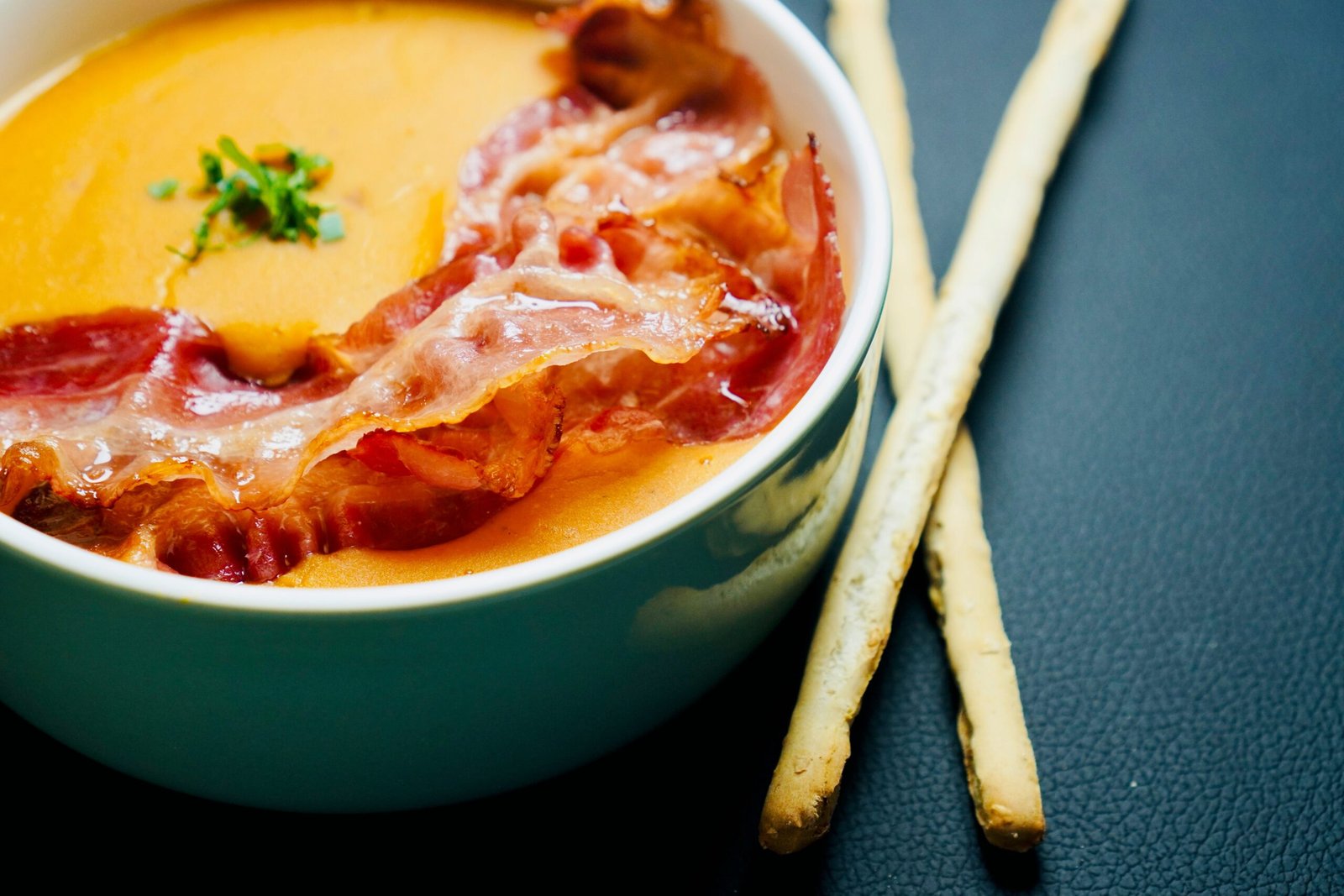
Searching for the best salmorejo near me usually means you are looking for more than an ordinary bowl of tomato soup. Salmorejo is a classic Spanish specialty with a distinctive creamy texture, fresh tomato flavor, rich olive oil character, and traditional toppings that make it different from many other cold soups. Originating in Andalusia, particularly Córdoba, salmorejo is traditionally prepared by blending ripe tomatoes with bread, extra-virgin olive oil, garlic, and salt until the mixture becomes smooth and thick. It is generally served cold and may be finished with chopped hard-boiled egg and pieces of ham. When people search online for the best salmorejo near me, they are often trying to find a restaurant, tapas bar, Spanish café, or other food establishment where this traditional dish is prepared with good ingredients and proper technique. Finding an excellent version can take a little more research because menus vary by restaurant, recipes can differ from one kitchen to another, and some establishments may offer dishes that resemble salmorejo without following the traditional style. This guide explains what salmorejo is, what makes it special, how to search for the best salmorejo near me, what qualities to look for in a restaurant, how to compare different versions, and what questions to ask before ordering.
Best Salmorejo Near Me: What Is Salmorejo?
Salmorejo is a traditional Andalusian preparation from Spain that is best known for its thick, smooth, chilled consistency and intensely fresh tomato flavor. Unlike a thin tomato soup, authentic-style salmorejo gets much of its body from bread and olive oil, while ripe tomatoes provide the dominant flavor and color. Spain’s official tourism website describes a traditional recipe using tomatoes, garlic, bread, extra-virgin olive oil, and salt, with chopped egg and ham used as optional garnishes. This combination creates a dish that is simple in terms of ingredients but highly dependent on ingredient quality and preparation. When searching for the best salmorejo near me, understanding this basic composition can help you recognize a restaurant that is offering something close to the traditional dish. A well-prepared salmorejo should taste fresh rather than overly processed, have a smooth and creamy consistency without relying on dairy cream, and allow the tomato, olive oil, garlic, and bread to work together rather than allowing one ingredient to overwhelm everything else. The finished dish is normally served chilled, making it especially appealing during warm weather, although its rich texture means it can also work as a starter or light meal at other times of the year.
Why Search for the Best Salmorejo Near Me?
The popularity of the search best salmorejo near me comes from the fact that salmorejo is not something every restaurant prepares regularly. If you already enjoy Spanish cuisine, discovering a restaurant that makes a good version can be a worthwhile experience because the dish provides a direct introduction to the flavors of Andalusian cooking. Salmorejo is also different enough from familiar soups and sauces that many first-time diners want to know where they can find an authentic version before ordering. A local search allows you to compare Spanish restaurants, tapas establishments, specialty cafés, and restaurants with Mediterranean or European menus in your area. Rather than choosing the first result that appears, look closely at the menu, recent customer reviews, food photographs, and restaurant description. When reviews specifically mention the salmorejo, those comments can be more useful than general restaurant ratings because they provide evidence about the actual dish. A restaurant might have an excellent reputation overall but not necessarily prepare salmorejo, while a smaller Spanish restaurant may have a particularly strong reputation for traditional dishes.
How to Find the Best Salmorejo Near Me
The easiest way to begin your search for the best salmorejo near me is to use a local search engine or map application and combine the exact keyword with related searches such as “salmorejo restaurant near me,” “Spanish restaurant near me,” “authentic Spanish food near me,” “Andalusian food near me,” and “salmorejo soup near me.” Using several variations is helpful because restaurants do not always describe the dish in exactly the same way on their websites or menus. After finding potential restaurants, check whether salmorejo appears directly on the current menu rather than assuming that every Spanish restaurant serves it. You can also look through recent reviews for words such as “salmorejo,” “tomato,” “Córdoba,” “Andalusian,” “jamón,” and “Spanish soup.” Recent photographs can also help, particularly when they show the dish itself and its toppings. If the restaurant does not clearly list salmorejo online, contacting the restaurant before visiting can save you a trip and can confirm whether the dish is currently available. This is particularly important because seasonal ingredients, menu changes, and daily specials can affect whether a restaurant has salmorejo on a particular day.
What Makes the Best Salmorejo Near Me Stand Out?
When evaluating the best salmorejo near me, start with the appearance and texture of the dish. Traditional salmorejo should have a thick, velvety consistency rather than looking like a thin vegetable soup. The tomatoes should provide a naturally vibrant appearance, while olive oil contributes richness and helps create the smooth texture. Spain’s traditional recipe calls for ripe tomatoes to be blended and strained before bread, olive oil, garlic, and salt are incorporated. The flavor should be balanced, with ripe tomato at the center and garlic providing character without completely overpowering the dish. Good olive oil should contribute depth rather than making the preparation feel excessively greasy. Bread is equally important because it helps provide the characteristic thickness. A well-made bowl should therefore feel creamy without requiring heavy cream or other dairy ingredients. When toppings are included, chopped egg and Spanish cured ham can add contrasting texture and savory flavor. The important point is balance: toppings should complement the base instead of hiding it. If you are trying several restaurants, comparing the texture, tomato intensity, garlic level, olive oil quality, temperature, and toppings can help you identify which establishment deserves your own personal title of best salmorejo near me.
Authentic Salmorejo Near Me vs. Regular Tomato Soup
One of the most important things to understand when searching for authentic salmorejo near me is that salmorejo is not simply a cold version of ordinary tomato soup. Its texture and preparation are fundamental to the identity of the dish. Traditional salmorejo combines tomatoes with bread and extra-virgin olive oil to create a thick, smooth preparation, whereas many ordinary tomato soups depend on cooking, stock, cream, or other ingredients to achieve their consistency. Salmorejo is also closely associated with Córdoba and Andalusian food culture, which means that a restaurant with knowledge of regional Spanish cooking may be more likely to prepare it in a traditional style. This does not mean that every modern variation is necessarily poor; restaurants may adapt traditional dishes to local preferences or available ingredients. However, if your goal is to find the best salmorejo near me, it is useful to know the difference between a creative interpretation and a dish that simply uses the name salmorejo for a generic tomato preparation.
Best Spanish Restaurants for Salmorejo
Spanish restaurants are often the first places worth checking when searching for the best salmorejo near me because salmorejo belongs directly to Spain’s culinary tradition. Tapas restaurants can also be excellent places to investigate because salmorejo works naturally as a starter or small plate. Look for establishments that specifically mention Andalusian, Córdoba, Spanish regional, or tapas cuisine on their menus or restaurant descriptions. A restaurant’s approach to other Spanish dishes can also provide useful clues. If the menu demonstrates attention to regional ingredients and traditional preparations, that may indicate that the kitchen takes Spanish culinary traditions seriously. However, never assume that a restaurant serves salmorejo simply because it serves Spanish food. Always verify the current menu or ask the restaurant directly. If you are searching online, combine the phrase best salmorejo near me with your city or neighborhood to make the results more relevant, then compare several establishments instead of relying on a single recommendation.
How Ingredients Affect the Best Salmorejo Near Me
Ingredient quality can make a significant difference when determining the best salmorejo near me. Tomatoes are particularly important because they provide the foundation of the dish. Ripe, flavorful tomatoes can produce a naturally sweet, bright, and refreshing base, while bland tomatoes can leave the dish tasting flat. Bread contributes thickness and helps give salmorejo its characteristic body, while extra-virgin olive oil adds richness and smoothness. Garlic provides a distinctive savory note, but the amount needs to be carefully balanced because excessive garlic can dominate the fresh tomato flavor. Spain’s traditional recipe uses one kilogram of tomatoes, approximately 200 grams of bread, 100 grams of extra-virgin olive oil, garlic, and salt for four people, although restaurant recipes naturally vary. If the dish is served with egg and ham, those toppings add additional savory and textural contrast. For someone comparing restaurants, these details are useful because they explain why two bowls of salmorejo can look similar while tasting completely different.
Best Salmorejo Near Me for a Light Lunch or Starter
Salmorejo can be a particularly appealing choice when you want something refreshing without ordering a heavy entrée. Because it is traditionally served cold, it can work well as a starter before tapas, grilled dishes, seafood, or other Spanish specialties. It can also be satisfying on its own when served in a generous portion because bread and olive oil give the dish more substance than many thin vegetable soups. If you are searching for the best salmorejo near me during warm weather, consider restaurants that serve it chilled and prepare it fresh. You can ask whether the dish is available as a starter or a larger portion and whether the restaurant serves it with traditional garnishes. Pairing salmorejo with other Spanish dishes can turn the search into a broader culinary experience, allowing you to compare regional flavors rather than treating the soup as an isolated menu item.
What to Ask Before Ordering Salmorejo Near Me
If you have found a restaurant that appears promising in your search for salmorejo near me, a few simple questions can help confirm what you are ordering. Ask whether the salmorejo is prepared traditionally, whether it is served chilled, and what ingredients are used in the base. You can also ask whether it comes with hard-boiled egg, cured ham, olive oil, or other garnishes. If dietary preferences are important to you, ask about the bread and toppings before ordering because traditional recipes may include ingredients that do not suit everyone. Some recipes and restaurant versions may also vary in their use of vinegar or other acidic ingredients, so asking about the preparation can help you understand the flavor profile before your meal arrives. The goal is not to demand a single rigid recipe but to understand whether the restaurant’s version matches what you are hoping to experience. This can make your search for the best salmorejo near me much more successful, especially if you are unfamiliar with the dish.
How to Compare Salmorejo at Different Restaurants
If you are serious about finding the best salmorejo near me, consider treating your search like a small food comparison rather than choosing one restaurant immediately. Visit two or three reputable Spanish restaurants when possible and compare the dishes based on the qualities that matter most. Start with the tomato flavor, then consider the smoothness and thickness of the texture, the balance of garlic and salt, the quality of the olive oil, and the freshness of the toppings. Temperature is also important because salmorejo is traditionally served cold. Consider whether the dish tastes fresh and naturally flavorful or whether it seems overly salty, acidic, oily, or processed. You can also evaluate portion size and presentation, although these should not outweigh flavor and ingredient quality. Keeping a simple mental or written comparison can help you develop your own definition of the best salmorejo near me, because personal preference matters. One diner may prefer stronger garlic and olive oil, while another may prefer a sweeter tomato-forward version.
Best Salmorejo Near Me: Why Reviews Matter
Online reviews can be extremely helpful when searching for the best salmorejo near me, but they should be read carefully. A high overall restaurant rating does not automatically mean that its salmorejo is excellent. Instead, search within reviews for comments that specifically mention the dish. Look for repeated observations about freshness, texture, flavor, toppings, portion size, and authenticity. Recent reviews are particularly valuable because menus and chefs can change over time. Food photographs can also provide clues about presentation, although appearance alone cannot determine taste. If several independent diners praise the salmorejo for its creamy texture and fresh tomato flavor, that is more meaningful than one vague review saying that the restaurant is “great.” Combining customer feedback with the restaurant’s menu and culinary background gives you a stronger basis for deciding where to try the dish.
Salmorejo and Gazpacho: What Is the Difference?
People searching for best salmorejo near me sometimes confuse salmorejo with gazpacho because both are famous chilled Spanish preparations based around fresh vegetables. Although they share some similarities, they are not the same dish. Salmorejo is generally thicker and more concentrated, with bread and olive oil playing important roles in its texture. Gazpacho is typically more fluid and often incorporates a wider combination of vegetables and other ingredients. Salmorejo’s traditional ingredient list is notably simple, centered on tomatoes, bread, extra-virgin olive oil, garlic, and salt. If you have enjoyed gazpacho but have never tried salmorejo, ordering the latter can be a good way to explore another side of Spanish cuisine. Understanding the distinction also makes it easier to read restaurant menus and avoid accidentally ordering a different chilled tomato preparation when what you really want is traditional salmorejo.
When Is the Best Time to Enjoy Salmorejo?
Although salmorejo can be enjoyed throughout the year when a restaurant offers it, it is especially attractive during spring and summer because it is traditionally served chilled and has a refreshing character. Spain’s tourism information lists salmorejo as a spring-summer specialty and presents it as a starter. When searching for the best salmorejo near me, warmer weather may therefore be an ideal time to explore Spanish restaurants and tapas menus. That said, availability depends entirely on the restaurant, so do not assume that every establishment will serve it seasonally or year-round. Some restaurants may make it regularly, while others may offer it as a special. Checking the current menu before visiting remains one of the easiest ways to avoid disappointment.
Finding Authentic Córdoba-Style Salmorejo Near Me
For diners specifically interested in Córdoba-style salmorejo near me, look for restaurants that identify their food as Andalusian or Cordoban. Salmorejo is strongly associated with Córdoba, and its regional identity is an important part of the dish’s appeal. Historical accounts describe the dish as evolving from older bread-and-oil preparations after tomatoes became part of European cuisine, eventually developing into the tomato-based preparation associated with Córdoba today. A restaurant that highlights Córdoba cuisine may therefore provide a particularly interesting place to try salmorejo, although the only reliable way to evaluate the dish is still to taste it. Regional authenticity is useful context, but fresh ingredients, proper preparation, balanced seasoning, and good execution ultimately determine whether a particular bowl is excellent.
Tips for Getting Better Results From “Best Salmorejo Near Me”
To make your local search more effective, avoid relying on only one keyword. Search for best salmorejo near me, salmorejo near me, authentic salmorejo near me, Spanish restaurants near me, Andalusian restaurants near me, and Córdoba salmorejo near me. Different searches can produce different restaurant results because businesses may describe their menus in different ways. Once you identify possible restaurants, verify the dish on the current menu, check recent reviews, examine photographs, and confirm availability if necessary. You can also search specifically for tapas bars or restaurants specializing in regional Spanish cuisine. The more specific your search becomes, the easier it is to distinguish a restaurant that genuinely serves salmorejo from one that merely has a broad international menu. This approach is especially useful when you are visiting an unfamiliar city and want to discover authentic food rather than simply choosing the closest restaurant.
Conclusion
Finding the best salmorejo near me is ultimately about knowing what makes this traditional Spanish dish special and then using that knowledge to evaluate local restaurants. Authentic-style salmorejo is a chilled Andalusian preparation traditionally built around ripe tomatoes, bread, extra-virgin olive oil, garlic, and salt, with chopped egg and ham commonly used as garnishes. Its thick, smooth texture, fresh tomato flavor, rich olive oil character, and connection to Córdoba make it a distinctive part of Spanish cuisine. When searching locally, look beyond restaurant ratings and investigate current menus, recent customer reviews, photographs, regional specialties, and ingredient information. Spanish restaurants and tapas bars can be excellent starting points, but the best choice is ultimately the restaurant whose preparation matches your personal taste. Whether you are discovering salmorejo for the first time or already consider yourself a fan, a thoughtful local search can turn the phrase best salmorejo near me into a genuinely rewarding food experience.
Frequently Asked Questions About the Best Salmorejo Near Me
What is salmorejo?
Salmorejo is a traditional cold Andalusian Spanish preparation associated particularly with Córdoba. It is made primarily from tomatoes, bread, extra-virgin olive oil, garlic, and salt and is typically blended into a thick, smooth consistency. It may be garnished with chopped hard-boiled egg and ham.
Where can I find the best salmorejo near me?
Start by searching for Spanish restaurants, Andalusian restaurants, Córdoba-style cuisine, and tapas bars in your area. Then check current menus and recent customer reviews to verify which establishments actually serve salmorejo.
Is salmorejo the same as gazpacho?
No. Although both are chilled Spanish preparations, salmorejo is generally thicker and relies heavily on bread and olive oil for its characteristic texture. Gazpacho is usually more liquid and often contains a broader combination of vegetables.
Is salmorejo served hot or cold?
Traditional salmorejo is served cold. Its chilled presentation is one of the characteristics that makes it particularly refreshing, especially during warmer months.
What ingredients are traditionally used in salmorejo?
Traditional salmorejo uses ripe tomatoes, bread, extra-virgin olive oil, garlic, and salt. Hard-boiled egg and ham are commonly used as garnishes.
What should good salmorejo taste like?
Good salmorejo should have a strong but fresh tomato flavor, a smooth and thick texture, balanced garlic, pleasant olive oil richness, and enough seasoning to bring the ingredients together. Traditional toppings can add savory flavor and contrasting texture.
Is salmorejo vegetarian?
The basic salmorejo mixture can be vegetarian because its traditional base consists of tomatoes, bread, olive oil, garlic, and salt. However, restaurant versions may be served with ham, so diners following a vegetarian diet should ask about the toppings and preparation.
Can salmorejo be a main meal?
Salmorejo is traditionally served as a starter, but a substantial portion can work as a light meal. Adding traditional toppings such as egg can make it more filling.
What should I search besides “best salmorejo near me”?
Useful related searches include salmorejo near me, authentic salmorejo near me, Spanish restaurants near me, Andalusian food near me, Córdoba salmorejo near me, Spanish tomato soup near me, and best Spanish food near me.
How do I know if a restaurant makes authentic salmorejo?
Check whether the restaurant describes its preparation as traditional or Andalusian, review the ingredient list, look at recent photographs, and read customer reviews that specifically discuss the salmorejo. You can also ask the restaurant directly about its ingredients and preparation method before ordering.
Food
Coffee vs. Matcha: The Ultimate 2026 Guide to Caffeine, Health Benefits, and Which One Is Right for You

Introduction
For millions of people worldwide, the day doesn’t truly begin until coffee vs matcha that first sip of a warm, energizing beverage. For decades, coffee has reigned supreme as the undisputed champion of morning rituals, a quick and reliable source of caffeine that powers busy professionals, students, and parents alike. However, in recent years, a vibrant green challenger has emerged from the East to capture the attention of health enthusiasts and wellness seekers: matcha. This finely ground powder made from specially grown green tea leaves offers not just a caffeine boost but a unique experience—one that promises calm, focused energy without the familiar jitters associated with its roasted competitor .
As matcha’s popularity continues to surge across North America and Europe, the debate intensifies: which beverage is truly superior? Is the classic, bold energy of coffee better for your health and productivity, or does matcha’s gentler, more sustained lift make it the superior choice? This article delves deep into the heart of the coffee vs. matcha rivalry, comparing them on everything from caffeine content and nutritional value to their distinct effects on focus, digestion, and overall wellness. By the end, you’ll have all the information you need to decide which drink best fits your lifestyle, goals, and personal preferences—or whether there’s room for both in your daily routine.
Understanding the Core Differences
What Makes Each Beverage Unique?
To truly appreciate the differences between coffee and matcha, it’s essential to understand how each is grown, processed, and prepared. These foundational elements shape not only their flavor profiles but also how they interact with your body and mind.
Coffee begins its journey as the roasted seeds of the Coffea plant, primarily cultivated in tropical regions like Brazil, Colombia, and Ethiopia . After harvesting, the beans undergo a complex process: they are fermented, dried, roasted to varying degrees, and finally ground. The beverage we know and love is made by brewing these ground beans with hot water, which extracts the coffee’s rich flavors, oils, and caffeine. This method means you are consuming an extract of the bean rather than the bean itself. The result is a drink known for its bold, acidic, and often bitter taste, delivering a powerful and rapid caffeine hit .
Matcha, on the other hand, is a type of powdered green tea made from the leaves of the Camellia sinensis plant, a crop primarily grown in Japan . The process is markedly different. In the weeks leading up to harvest, the tea plants are shaded from direct sunlight. This crucial step increases the production of chlorophyll and amino acids, particularly L-theanine, which gives matcha its vibrant green color and its unique calming properties . After harvesting, the leaves—known as tencha—are steamed, dried, and meticulously stone-ground into a fine, emerald powder. Unlike steeping tea leaves, when you drink matcha, you are consuming the entire leaf in powdered form, which concentrates its nutrients and antioxidants . This preparation results in a distinct, earthy, “grassy” flavor that many describe as creamy and subtly sweet .
Caffeine Content and the Energy Experience
The “Jitters” vs. “Calm Alertness” Debate
Perhaps the most significant and widely discussed difference between coffee and matcha lies in their caffeine content and the nature of the energy boost they provide. While both are effective stimulants, the experience of that stimulation is remarkably different.
When it comes to raw numbers, coffee is the undisputed heavyweight. A standard 8-ounce cup of brewed coffee typically contains about 80 to 100 milligrams of caffeine, though this can vary significantly depending on the roast and brewing method . In contrast, a standard 2-ounce serving of matcha (made with 1 teaspoon of powder) contains roughly 38 to 88 milligrams of caffeine . When measured per ounce, coffee packs a much stronger punch. For instance, per ounce, brewed coffee contains about 17mg of caffeine, while matcha contains about 8.75mg . This means that a single cup of coffee generally delivers a higher dose of caffeine than a standard serving of matcha.
However, the difference extends far beyond the numbers. The body’s response to the caffeine in each drink is fundamentally different, largely due to matcha’s star compound: L-theanine. This amino acid, found in high concentrations in matcha, is known to promote relaxation and calmness without causing drowsiness . It works synergistically with the caffeine to slow its absorption into the bloodstream. As a result, the caffeine from matcha is released gradually, providing a sustained, steady wave of energy that can last for hours without the sudden spike that often leads to an energy crash . This is why matcha is often praised for delivering “calm alertness”—you get the cognitive benefits of focus and attention without the anxiety, overstimulation, and the classic “jitters” that some coffee drinkers experience . One UCLA Health dietitian notes that this unique combination of caffeine and L-theanine in matcha often translates to fewer jitters and less upset stomach compared to coffee .
Conversely, coffee is rapidly absorbed, leading to a sharp, immediate surge in energy and alertness. This can be incredibly effective for a quick pick-me-up, but it also means the effect is often short-lived. As the caffeine wears off and adenosine—the chemical responsible for making you feel tired—builds back up, many people experience a noticeable “caffeine crash,” leaving them feeling more fatigued than before . This difference in effect is a key factor for those deciding between the two beverages.
A Side-by-Side Look: Key Comparison Points
| Feature | Coffee | Matcha |
|---|---|---|
| Primary Source | Roasted seeds of the Coffea plant | Stone-ground powder of shade-grown green tea leaves |
| Caffeine Content | Higher (approx. 80-100 mg per 8 oz) | Lower (approx. 38-88 mg per serving) |
| Energy Experience | Rapid, sharp rise followed by a potential crash | Gradual, steady, sustained “calm alertness” |
| Key Compound | Chlorogenic acid (antioxidant) | L-theanine (amino acid) & EGCG (antioxidant) |
| Health Benefits | May lower risk of type 2 diabetes, heart disease, and support cognitive function | Rich in antioxidants, may support heart health, metabolism, gut health, and focus |
| Digestive Impact | More acidic, can cause stomach upset in sensitive individuals | Gentler on the stomach and less acidic |
| Flavor Profile | Bold, roasted, bitter, and acidic | Earthy, grassy, creamy, and slightly sweet |
Health Benefits and Nutritional Profiles
Antioxidant Powerhouses
Both coffee and matcha are celebrated for their health-promoting properties, largely due to their exceptionally high antioxidant content. Antioxidants are vital compounds that protect your body’s cells from damage caused by unstable molecules called free radicals. Over time, this oxidative stress can lead to chronic diseases like heart disease, cancer, and diabetes . However, the specific types of antioxidants and their effects differ significantly between the two.
Coffee is packed with polyphenols, a class of antioxidants with potent anti-inflammatory properties. Its primary polyphenol, chlorogenic acid, has been linked to a reduced risk of developing type 2 diabetes, improved mood, enhanced exercise performance, better liver function, and even greater longevity . Studies have shown that moderate coffee intake—around three to four cups per day—is associated with a lower risk of death from leading causes such as coronary heart disease, stroke, and kidney disease . However, it is important to note that these benefits can be quickly offset by adding large amounts of sugar, creamers, or flavored syrups .
Matcha is arguably even more potent in the antioxidant department because you are consuming the whole tea leaf. This concentrates its nutrients, making it one of the most antioxidant-rich beverages you can drink . The star of the show is a type of catechin known as epigallocatechin gallate, or EGCG. Studies show that matcha provides up to 137 times more EGCG than standard steeped green tea . Research suggests that EGCG may help reduce inflammation, improve fat metabolism, and strengthen the immune system . Matcha is also rich in other compounds like flavonoids, polyphenols, and vitamin C . Its powerful antioxidants and unique composition have been linked to supporting cardiovascular health, brain function, and even aiding in weight loss by potentially increasing GLP-1, a hormone that reduces appetite and stabilizes blood sugar .
Gut Health and Digestive Impact
Another critical point of comparison is how these beverages affect your digestive system. For many, this factor alone can determine which drink is a better fit for their daily life.
Coffee is naturally more acidic and can stimulate the production of stomach acid. While this is not an issue for everyone, it can lead to indigestion, acid reflux, or an upset stomach in individuals with sensitive digestive systems. Drinking coffee on an empty stomach can also spike cortisol levels, potentially irritating the digestive tract .
Matcha offers a gentler alternative. It is significantly less acidic than coffee, making it a preferable choice for those who suffer from gastrointestinal discomfort after consuming coffee . Some research even suggests that matcha may positively support gut health, thanks to its unique chemical composition and antioxidant profile . For individuals with a sensitive stomach or those who experience acid reflux, the switch to matcha can be a game-changer.
Which Should You Choose?
Ultimately, the choice between coffee and matcha is a personal one, hinging on your individual needs, sensitivities, and lifestyle. There is no single “right” answer, as both beverages are packed with benefits. However, by understanding their key differences, you can make an informed decision.
Choose Coffee If…
You prefer a robust, bold, and familiar flavor to start your day.
You need a rapid and powerful energy boost to jumpstart your morning.
You are looking to maximize benefits like metabolic support and enhanced exercise performance.
You are not sensitive to acidic drinks and don’t experience stomach upset from coffee.
You appreciate the ritual of a quick and easy morning brew.
Choose Matcha If…
You are sensitive to caffeine and experience jitters or anxiety from coffee.
You want a smooth, sustained energy boost without the afternoon crash.
You’re looking for a beverage that supports calm focus and concentration for a prolonged period.
You have a sensitive stomach or are prone to acid reflux.
You enjoy a more mindful, ritualistic preparation (whisking the powder) and an earthy flavor.
For many, the optimal solution is to enjoy both! As one dietitian and matcha enthusiast puts it, “I personally enjoy both daily—one cup of coffee in the morning after my breakfast to start my day with focus and matcha in the afternoon for steady energy and no afternoon crash” . This approach allows you to leverage the powerful, immediate effects of coffee in the morning while benefiting from matcha’s sustained, calming energy in the afternoon.
Conclusion
The great debate between coffee and matcha is less about declaring a winner and more about finding the right tool for the job. Coffee remains the king of quick, high-octane energy, offering a bold flavor and a coffee vs matcha powerful kick that kickstarts millions of mornings worldwide. Its potent antioxidants provide a wealth of health benefits, from heart health to metabolic support . Matcha, on the other hand, presents an elegant alternative for those seeking “calm alertness.” Its unique combination of caffeine and L-theanine delivers a smooth, sustained energy lift without the jitters, backed by an extraordinary concentration of antioxidants like EGCG that support focus, gut health, and overall wellness .
Neither drink is inherently “better” than the other. The ideal choice comes down to your unique biochemistry, daily routine, and personal taste preferences. By listening to your body and considering how each beverage makes you feel, you can make the best decision for your health and happiness. Whether you remain loyal to the classic cup of joe, embrace the zen of matcha, or find a happy balance between the two, both of these incredible beverages have a valuable place in a healthy lifestyle.
Frequently Asked Questions (FAQ)
Q1: Which has more caffeine, matcha or coffee?
A: Coffee generally has more caffeine than a standard serving of matcha. A typical 8-ounce cup of brewed coffee contains approximately 80-100 mg of caffeine, while a standard serving of matcha has about 38-88 mg . However, the amount of caffeine in matcha can vary depending on how much powder is used.
Q2: Does matcha give you energy without the jitters?
A: Yes, this is one of matcha’s primary appeals. Matcha contains an amino acid called L-theanine, which promotes relaxation and slows the absorption of caffeine. This results in a sustained, “calm alertness” rather than the sudden spike and potential jitters often associated with coffee .
Q3: Is matcha or coffee better for weight loss?
A: Both can support weight loss in different ways. Matcha’s EGCG may help boost metabolism and reduce appetite, while coffee’s chlorogenic acid can enhance fat metabolism . However, the most important factor is how you consume them—adding large amounts of sugar, milk, or cream to either drink will add calories and can hinder weight loss efforts .
Q4: Is matcha healthier than coffee?
A: It’s not a question of one being healthier than the other; both are rich in antioxidants and offer significant health benefits. Coffee is linked to a lower risk of type 2 diabetes and heart disease, while matcha is exceptionally high in EGCG and provides calming, focused energy . The “healthier” choice depends entirely on your individual health needs and how your body reacts to each beverage.
Q5: Is matcha easier on the stomach than coffee?
A: Yes, for many people. Coffee is more acidic and can stimulate stomach acid production, leading to indigestion or acid reflux in sensitive individuals. Matcha is gentler on the stomach and is less likely to cause digestive upset .
Q6: Can I drink both coffee and matcha in the same day?
A: Absolutely. Many people enjoy a cup of coffee in the morning for a quick, robust energy boost and switch to matcha in the afternoon for a gentler lift that helps maintain focus without disrupting sleep later in the evening .

The Ultimate Guide to the Caribou Coffee Menu: Classics, New Arrivals, and Value Picks for 2026
Whether you are a dedicated coffee enthusiast or someone simply looking for a cozy spot to enjoy a handcrafted beverage, Caribou Coffee offers a diverse and exciting menu that goes far beyond the standard cup of joe. Known for its commitment to real ingredients and a welcoming atmosphere, Caribou has cultivated a loyal following with its innovative flavor combinations and high-quality beverages. As we move through 2026, the chain has introduced exciting new seasonal offerings, expanded its food menu, and launched an impressive value menu that makes premium coffee more accessible than ever. This comprehensive guide explores every corner of the Caribou Coffee menu, providing you with all the information you need to navigate your next visit.
The Classic Cornerstones: The Essential Caribou Coffee Menu
Every great coffeehouse is built on a foundation of timeless classics, and Caribou Coffee is no exception. The core menu offers expertly crafted beverages that cater to every palate, from the pure espresso lover to those who prefer a creamy, comforting blend. For those who appreciate the straightforward perfection of a well-brewed cup, the Coffee of the Day provides a rotating selection of their signature roasts, brewed fresh every hour to ensure maximum flavor. This is an ideal choice for purists who want to experience the distinct taste of Caribou’s beans.
For a more robust experience, the Americano delivers a bolder, stronger profile, combining rich espresso with steaming hot water. Those who enjoy the sensory ritual of a creamy espresso drink can explore the Latte, which features rich espresso combined with creamy steamed milk, or the Cappuccino, known for its deep layer of velvety foam. A particularly noteworthy offering is the Cold Press Iced Coffee, Caribou’s signature cold brew. This beverage is crafted by steeping their rich Caribou Blend in ice-cold water for an extended period, resulting in a smooth, full-bodied coffee with lower acidity that has become a staple for many regulars.
The “Bou” Signatures: Exploring Caribou’s Unique Flavor Creations
Where Caribou Coffee truly sets itself apart is in its inventive and delicious Signature Drinks. These creations blend the highest quality espresso with unique flavor combinations that have turned the chain into a destination for flavor explorers. Perhaps the most beloved is the Campfire Mocha, a nostalgic and comforting beverage that combines real chocolate and rich espresso with a distinct toasted marshmallow flavor, all topped with whipped cream, mini marshmallows, and chocolate chips. It’s a taste of the outdoors and a perennial favorite.
Another standout is the Turtle Mocha, which satisfies the sweet tooth with a decadent mix of chocolate, caramel, and espresso, finished with whipped cream and turtle pieces. For those who prefer a fruitier twist, the Berry White Mocha is an excellent choice, melting real chocolate into steamed milk and combining it with espresso and a hint of raspberry flavor. Similarly, the Mint Condition Mocha offers a refreshing and invigorating flavor profile, perfect for chocolate and mint lovers. According to tasting experts, the Berry White Mocha is a particularly unique offering, blending bright fruity notes with rich coffee for a drink that stands out from the sea of standard cups of joe.
Chilled and Blended: Caribou Coffee Coolers and Shakers
For a refreshing and indulgent treat, Caribou’s lineup of chilled and blended beverages is hard to beat. The Caribou Cooler® is their take on a blended coffee drink, offering a creamy, slushie-like texture that is both satisfying and delicious. You can enjoy it in classic flavors like Caramel, Vanilla, or Chocolate, or opt for a more decadent version such as the Turtle Mocha Cooler or the Campfire Mocha Cooler.
In recent years, Caribou has also expanded its chilled options to include the innovative Espresso Shakers. These drinks are made by shaking fresh espresso with ice and a specific flavor, then topping it with a splash of oat milk. The Caramel Espresso Shaker, White Chocolate Espresso Shaker, and the Honey Lavender Espresso Shaker are all excellent choices for those seeking a bold, cold, and flavor-forward coffee experience. For a lighter, non-coffee option, the Fruit Shakers offer a revitalizing blend of real fruit, coconut milk, and ice, with popular choices including the Strawberry and Peach Fruit Shakers.
Beyond Coffee: Energy, Tea, and Hot Cocoa
Caribou Coffee caters to a wide range of preferences with an impressive selection of beverages that go beyond the coffee bean. Recognizing the growing demand for alternative energy sources, Caribou has introduced a line of sparkling energy drinks in vibrant flavors like Passionfruit Yuzu, Salted Watermelon, and Berry-C, offering a caffeinated boost with a fruity twist. For tea lovers, the menu includes classic iced teas like Mango Black and Raspberry Hibiscus, as well as comforting hot beverages like the Matcha Vanilla Tea Latte and the spiced Classic Chai Tea Latte.
And for those who prefer to skip the caffeine entirely, Caribou’s Hot Chocolate is a rich and decadent choice, made with real chocolate melted into steamed milk and topped with whipped cream and chocolate chips. For a truly unique and nostalgic treat, the Frozen Cookies & Cream is a must-try, blending cookies with vanilla, chocolate, half and half, and topped with whipped cream and even more cookies.
A Complete Food Menu: Fueling Up at Caribou Coffee
Caribou Coffee is not just a place for great drinks; it is also a fantastic spot for a satisfying meal. The food menu has seen significant expansion, particularly with the introduction of new, health-conscious options. The new protein-packed Breakfast Bowls are a testament to this, offering balanced and nutritious choices for those on the go. The Denver Breakfast Bowl features fluffy scrambled eggs, potatoes, savory ham, and cheddar cheese, while the Vegetarian Breakfast Bowl provides a flavorful blend of eggs, potatoes, peppers, spinach, and Monterey Jack cheese with salsa verde, both containing 250 calories or fewer.
For a more traditional breakfast, guests can choose from a variety of breakfast sandwiches, such as the classic Bacon, Egg and Cheddar on a bagel, the Chicken Apple Sausage, Egg & Cheddar on a brioche roll, or the hearty Lumberjack sandwich. These are perfect for a filling and tasty start to the day. Beyond breakfast, the menu also features an array of freshly prepared bagels, including Plain and Asiago, served with cream cheese, as well as a tempting bakery selection that features items like the Cinnamon Sugar Caramel Cream Donut, Raspberry White Chocolate Scones, and the streusel-topped Blueberry Muffin.
The New Everyday Value Menu: Premium Taste at an Affordable Price
In a significant move for budget-conscious consumers, Caribou Coffee launched its new “Everyday Value Menu” in May 2026. This initiative is a game-changer, making premium, handcrafted coffee more affordable than ever before. The menu features a curated selection of classics at unbeatable prices, allowing everyone to enjoy their coffeehouse favorites without breaking the bank.
Guests can now enjoy a small, freshly brewed Coffee of the Day for just $2, making it one of the most affordable specialty-grade coffees available. The beloved small Cold Press, Caribou’s smooth cold brew, is offered for $3.50, and a delicious streusel-topped Blueberry Muffin is available for $3. The value menu also introduced a new Bacon Breakfast Sandwich, which features crispy bacon, a cage-free scrambled egg patty, and melted cheddar cheese on a toasted English muffin, all for $4. This value menu, available in-store, at the drive-thru, and via the app, reflects the company’s commitment to delivering quality and convenience.
Seasonal Sensations: The 2026 Cinnamon Sugar Lineup
To keep the menu fresh and exciting, Caribou Coffee frequently introduces seasonal specials. For early 2026, the chain brought back its fan-favorite Cinnamon Sugar beverage lineup, offering a warm and nostalgic flavor experience just in time for winter. This popular lineup includes the return of the Cinnamon Sugar Latte and Mocha, both available hot or iced, and introduces new creations like the Cinnamon Sugar Nitro High Rise.
The Cinnamon Sugar Nitro High Rise combines the creamy, smooth nitro cold press with milk, real caramel, and a real cinnamon sugar sauce, all topped with espresso whipped cream. Guests can also add a new Cinnamon Sugar Cold Foam to any drink, a sweet and cozy topping made with oat milk and real cinnamon and sugar. This seasonal launch is paired with new merchandise and value offerings, demonstrating Caribou’s commitment to meeting guests where they are and providing a full, enjoyable experience.
Conclusion
Caribou Coffee continues to distinguish itself as a top-tier coffeehouse chain, offering a menu that is as diverse and dynamic as its customers. From the comforting classics like the Campfire Mocha and reliable Cold Press to the innovative new Espresso Shakers and nutritious Breakfast Bowls, there is truly something for everyone. The recent launch of the Everyday Value Menu is a powerful statement, ensuring that quality and affordability can go hand-in-hand. Whether you are stopping in for your morning ritual, a midday pick-me-up, or a leisurely afternoon treat, the Caribou Coffee menu invites you to explore, savor, and discover your new favorite. Life is short, and with a menu this good, staying awake for it is a pleasure.
Frequently Asked Questions (FAQ)
1. What is Caribou Coffee’s new Everyday Value Menu?
Caribou Coffee’s new Everyday Value Menu offers a selection of their classic items at lower price points, starting at just $2. The menu includes a small brewed coffee for $2, a Blueberry Muffin for $3, a small Cold Press for $3.50, and a new Bacon Breakfast Sandwich for $4.
2. Does Caribou Coffee charge extra for non-dairy milk?
No, Caribou Coffee does not charge extra for non-dairy milk alternatives such as oat milk and almond milk, a policy that sets them apart from many competitors.
3. What are the most popular signature drinks at Caribou Coffee?
Some of the most popular signature drinks include the Campfire Mocha, which features toasted marshmallow flavor, the Turtle Mocha with chocolate and caramel, and the refreshing Mint Condition Mocha.
4. Are there healthier food options available on the Caribou Coffee menu?
Yes, Caribou Coffee has introduced new Breakfast Bowls, such as the Denver and Vegetarian options, which are gluten-free, packed with protein, and have 250 calories or less. They also offer various sandwiches and a selection of tea and fruit shakers.
5. What seasonal drinks is Caribou Coffee offering in 2026?
In early 2026, Caribou Coffee brought back its Cinnamon Sugar beverage lineup, which includes the Cinnamon Sugar Latte, Cinnamon Sugar Mocha, and the new Cinnamon Sugar Nitro High Rise, along with a Cinnamon Sugar Cold Foam topping.


 Lifestyle2 months ago
How Long is 50 Feet? Real-World Comparisons, Conversions, and Everyday Examples
- Tech2 months ago
Orgo Slang: Meaning, Origins, Examples, and Why Students Use It
- Entertainment2 months ago
Funny Mexican People Jokes: Laughing With Culture, Not At It
- Game2 months ago
The Mabinogi Lazy Patch: The Ultimate Guide to Faster Updates, Gameplay Changes, and Safe Usage
- Lifestyle2 months ago
Selena Green Vargas: The Internet Mystery That Refuses to Fade Away
- Tech2 months ago
Incestflox Unveiled: A Comprehensive Guide to the Controversial Digital Phenomenon
- Fashion2 months ago
The Life and Legacy of Charity Hallett: The Woman Behind P.T. Barnum
- Tech2 months ago
Deshoptec com: A Complete Guide to Understanding This Emerging Online Platform